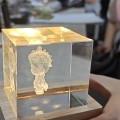
One attractive engraved sample does not answer every question about a larger order. It shows one item. Before asking for the remaining gifts, decide what that sample represents, which features should match it, and which differences need another conversation.
The following is a suggested planning method for a small order, not a production standard. Agree on the plan with the provider before relying on it. A sample may add cost and time, so confirm both before requesting one.
Define what the sample represents
Name the item, design version, and group the sample is intended to represent. If the order contains different objects or finishes, do not silently treat a sample of one as approval of all the others. Ask which variations need their own reference.
Also distinguish a physical sample from a photograph of it. A photograph can help discuss appearance, but it does not let you handle the object or inspect every surface. Record what you actually reviewed rather than writing “sample checked” without explanation.
Separate matching features from accepted differences
Make a short list of visible features you expect to remain consistent. These might include the chosen wording, orientation, included motif, and the relationship between the inscription and the available space. Avoid relying on “same quality” as the entire instruction; people may interpret that phrase differently.
If the provider expects natural variation, ask to see examples and discuss its limits. Do not turn “natural variation is acceptable” into permission for any difference. You might accept the illustrated range of wood grain while still wanting a separate discussion about a patch that makes the inscription difficult to read.
Use the agreed examples as references, not as a promise that every natural surface will be identical. If you cannot describe an acceptable range clearly, keep that point open rather than marking the sample fully approved.
Give the reference a stable identity
Label the sample record with a simple identifier and date. Keep photographs, comments, and the decision together. If a revised sample replaces the first, state which one is now the reference.
Ask who will keep the physical reference while the batch is being prepared. If each side has a different sample, establish whether they represent the same agreed result. A collection of unlabeled photographs makes later comparisons harder than one clearly identified reference.
A fictional 24-gift plan
Imagine a fictional club ordering 24 matching wooden keepsakes with the same inscription. Here is a possible discussion note, not a real order or a ready-made approval message:
- Reference: physical sample W2, reviewed on 8 May.
- Quantity: 24 finished gifts in total. The accepted sample counts as one, leaving 23 to prepare.
- Must match: agreed inscription, motif, and orientation shown on W2.
- Accepted variation: grain differences within the examples discussed with the provider; identical grain is not expected.
- Hold for discussion: a substitution of the object or finish, a changed inscription, or appearance outside the agreed examples.
- Decision: the remaining 23 may proceed only after the buyer explicitly confirms this sample plan.
If the sample will instead be retained by the provider and excluded from delivery, the count changes. Resolve that before the batch starts. “24 plus a sample” and “24 including the sample” are different requests.
Check the delivered batch against the same plan
At delivery, reconcile the quantity and compare the gifts with the agreed reference. Keep items needing discussion separate from those you have accepted. Record the specific difference and identify the affected items so the provider can respond to an observation rather than a general complaint.
A sample decision should have a defined scope, not become an assumption about every later order. For a reorder, check whether the item and agreed appearance are still available before reusing the old reference. Keep the useful record, but make a fresh decision when the proposed result changes.