In the ever-evolving landscape of modern manufacturing and artistry, CNC engraving machinesCNC engraving machines stand out as a remarkable fusion of technology and creativity. These sophisticated tools, powered by computer numerical control (CNC), have revolutionized the way we approach engraving, offering unparalleled precision and versatility. Whether you're a seasoned artisan looking to enhance your craft or a newcomer eager to explore the endless possibilities of engraving, understanding these machines is essential. As we delve into the intricate world of CNC engraving machines, we'll uncover their various applications, from creating intricate designs on wood and metal to crafting personalized gifts that leave a lasting impression. The beauty of CNC technology lies in its ability to transform digital designs into tangible masterpieces, allowing for an unprecedented level of detail and consistency. This article aims to provide an enlightening overview of CNC engraving machines, shedding light on their components, functionalities, and the myriad ways they can be utilized across different industries.
Join us on this journey as we explore how these remarkable machines are not just tools but gateways to innovation, creativity, and craftsmanship.
CNC engraving machines
are advanced tools that utilize computer numerical control technology to automate the engraving process. These machines operate by translating digital designs into precise movements of cutting tools or lasers, allowing for intricate designs to be reproduced consistently and accurately. With the ability to engrave on various materials, CNC engraving machines have become essential in both personal and professional settings, enhancing creativity and efficiency. There are several types of CNC engraving technologies available, each suited for different applications and materials. One of the most common methods is rotary engraving, where a rotating tool cuts into the material to create a design.This method is ideal for engraving hard materials such as metals and plastics. Another prevalent technique is laser engraving, which uses a focused beam of light to etch designs onto surfaces. Laser engraving offers remarkable precision and can be used on a wide range of materials, including wood, glass, and leather. The advantages of using CNC machines over traditional engraving methods are numerous. Speed is one of the most significant benefits; CNC machines can complete tasks in a fraction of the time it would take manually.
Additionally, the accuracy provided by CNC technology ensures that even the most intricate designs are replicated perfectly every time. Versatility is another key advantage, as CNC engraving machines can handle various materials and complex designs that traditional methods may struggle with. Common materials used in CNC engraving include wood, metal, acrylic, and glass. Wood is frequently chosen for its natural beauty and ease of engraving, while metals such as aluminum or brass are popular for durable signage and jewelry making. Acrylic is favored for its vibrant colors and smooth finish, making it suitable for decorative items.
Glass engraving has gained popularity for creating elegant designs on awards and personalized gifts. The applications of CNC engraving span across many industries. In the realm of personalized gifts, consumers can order custom engravings on items like photo frames, plaques, and jewelry, creating unique keepsakes for special occasions. Signage is another area where CNC engraving shines, providing clear and durable options for businesses looking to enhance their branding. Jewelry making has also embraced CNC technology, allowing artisans to create intricate designs that were once impossible to achieve manually. For those interested in custom engraving services, there are numerous options available to both consumers and businesses. span across many industries. In the realm of personalized gifts, consumers can order custom engravings on items like photo frames, plaques, and jewelry, creating unique keepsakes for special occasions. Signage is another area where CNC engraving shines, providing clear and durable options for businesses looking to enhance their branding. Jewelry making has also embraced CNC technology, allowing artisans to create intricate designs that were once impossible to achieve manually. For those interested in custom engraving services, there are numerous options available to both consumers and businesses.
Many companies offer bespoke engraving services that cater to individual design needs, from creating custom logos for businesses to personalizing gifts for friends and family. These services often use state-of-the-art CNC machines to ensure high-quality results. Beginners looking to start with CNC engraving should consider several factors when selecting a machine. Important features to look for include the machine's size, ease of use, and compatibility with various materials. Additionally, choosing the right software is crucial; programs such as Fusion 360 or Easel can help new users design their projects efficiently.
Basic techniques such as understanding feed rates, tool selection, and material settings are essential skills for successful engraving. It is also important to address common questions or misconceptions about CNC engraving. Some people may believe that CNC machines are only for professionals; however, many models are user-friendly enough for hobbyists and beginners. Others might think that CNC engraving requires complex programming skills, but modern software often simplifies this process significantly. By demystifying these aspects, potential users can feel more confident in exploring the world of CNC engraving machines.
Custom Engraving Services
For those who prefer outsourcing their engraving needs, custom engraving services offer a convenient and efficient solution.These services cater to a wide range of applications, from personalized gifts to industrial components, ensuring that clients receive high-quality results tailored to their specifications. One of the most significant advantages of utilizing custom engraving services is access to advanced technology. Many service providers utilize state-of-the-art CNC engraving machines that deliver precise and intricate designs that might be challenging to achieve with traditional methods. This precision not only enhances the aesthetic appeal of the engraved items but also ensures durability and consistency across multiple pieces. Moreover, outsourcing engraving tasks allows businesses to focus on their core operations without the need for investing in expensive equipment or training staff. Service providers often offer a variety of materials for engraving, including wood, metal, glass, and plastic, making it easier for clients to find the right medium for their projects. Additionally, many custom engraving companies provide design assistance, helping clients create unique and personalized designs that reflect their vision.
This collaborative process can significantly enhance the final product, leading to greater customer satisfaction. In conclusion, custom engraving services play a vital role in modern engraving processes, offering businesses and individuals the chance to benefit from professional expertise and cutting-edge technology without the associated overhead costs.
Understanding CNC Engraving Technology
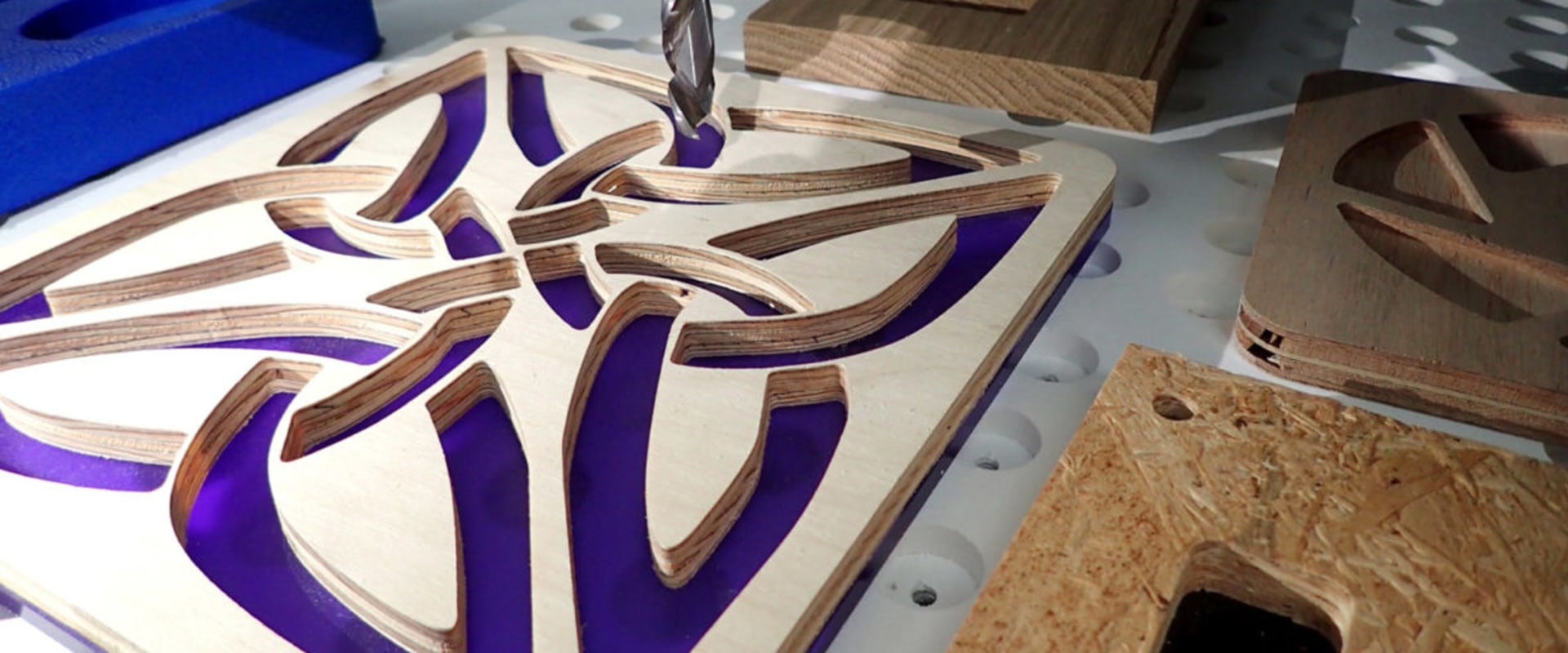
CNC engraving machines operate through a combination of advanced technology and intricate mechanics, enabling them to achieve high levels of precision and efficiency in engraving tasks. The core component of a CNC engraving machine is the computer numerical control (CNC) system, which translates digital designs into physical engravings. The process begins with design preparation, where users create or select a digital design using specialized software. This software often includes features for vector graphics and allows for the manipulation of elements to fit specific engraving requirements. Common programs used for this purpose include AutoCAD, CorelDRAW, and various CAD/CAM software that support CNC operations. Once the design is finalized, the software generates a toolpath – a series of precise movements that the machine will follow to reproduce the design on the material.This toolpath data is then sent to the CNC engraving machine, where it is interpreted by the machine's controller. The controller translates these instructions into signals that manage the movement of the engraving tool. The engraving tool itself can vary in size and shape depending on the desired outcome and the material being engraved. Common materials for CNC engraving include wood, metal, plastic, and glass. The machine's spindle rotates the tool at high speeds while simultaneously moving along multiple axes (typically X, Y, and Z), allowing for intricate and detailed engravings. Furthermore, modern CNC engraving machines often integrate advanced features such as automatic tool changers and real-time monitoring systems to enhance productivity and ensure quality control.
The seamless integration of software and hardware in CNC engraving technology not only simplifies the engraving process but also significantly reduces the risk of human error, thus making it an invaluable tool in both personal and professional settings.
Types of Engraving Techniques
Engraving has evolved significantly with the advent of technology, leading to the development of various engraving techniquesengraving techniques. Each method has its own unique applications and advantages, catering to different needs and materials.Rotary engraving
is one of the traditional methods that utilizes a rotating tool to carve designs into materials. This technique is particularly effective on hard surfaces such as metal, wood, and plastic. The precision of rotary engraving makes it suitable for creating intricate designs, logos, and personalized items. In contrast, laser engraving employs a focused beam of light to etch designs onto surfaces.This method is known for its high precision and ability to create detailed images with smooth edges. Laser engraving is versatile and can be used on a wide range of materials, including glass, leather, and acrylic. The speed and efficiency of laser engraving have made it increasingly popular for both commercial and personal projects. Emerging technologies have also introduced new methods, such as diamond drag engraving and plasma engraving. Diamond drag engraving uses a diamond-tipped tool to create fine lines and details, while plasma engraving utilizes high-temperature plasma to cut through materials.
These innovative techniques offer unique capabilities and enhance the creative possibilities for engravers. Understanding the differences between these engraving techniques is crucial for selecting the right method for specific projects. Each technique brings its own set of benefits that can greatly impact the final outcome, whether for artistic endeavors or industrial applications.
Getting Started with CNC Engraving
Embarking on the journey of CNC engraving can be both exciting and daunting for beginners. Understanding the right equipment and techniques is crucial for a successful start. This section aims to provide practical tips to help newcomers navigate the world of CNC engraving machines.When selecting equipment, consider your specific needs and budget.There are various CNC engraving machines available, ranging from hobbyist models to professional-grade machines. For beginners, it is advisable to start with a desktop model that is user-friendly and offers sufficient precision for small projects. Research different brands and read customer reviews to find a reliable machine that fits your requirements. In addition to the machine itself, you will need various accessories such as engraving bits, clamps, and a dust collection system. Investing in quality tools will enhance the engraving experience and ensure better results. Learning the techniques of CNC engraving is equally important.
Start by familiarizing yourself with the software that controls your machine. Most CNC engraving machines come with their own software or are compatible with popular programs like ArtCAM or VCarve. Spend time exploring tutorials and online resources to understand how to design your projects and operate your machine effectively. Practice is key in mastering CNC engraving. Begin with simple designs and gradually progress to more complex projects as you become comfortable with the process.
Don’t hesitate to experiment with different materials such as wood, acrylic, and metal to see how they respond to engraving. Finally, joining online communities or local maker spaces can provide invaluable support. Engaging with fellow enthusiasts allows you to share experiences, ask questions, and learn new techniques that can enhance your skills in CNC engraving.
Materials Suitable for CNC Engraving
CNC engraving machines are versatile tools capable of working with a wide range of materials. Understanding the types of materials suitable for CNC engraving is crucial for both hobbyists and professionals looking to achieve high-quality results.Wood
is one of the most popular materials for CNC engraving. It allows for intricate designs and can be found in various types, such as hardwoods like oak and maple or softwoods like pine.Each type of wood offers unique aesthetics, making it ideal for personalized items, signage, and decorative pieces.
Metal
is another material that can be effectively engraved using CNC technology. Common metals include aluminum, brass, and stainless steel. Engraving on metal is often used for creating durable products such as nameplates, awards, and industrial parts, where precision is paramount.Plastics
also make for suitable CNC engraving materials. Acrylic, polycarbonate, and PVC are frequently used in this context. also make for suitable CNC engraving materials. Acrylic, polycarbonate, and PVC are frequently used in this context.Their lightweight nature and ease of manipulation allow for a variety of applications, from promotional items to intricate designs in signage.
Glass
can be engraved with CNC machines as well, allowing for detailed designs on glassware, awards, and decorative items. The precision of CNC engraving ensures that even the finest details are captured beautifully on glass surfaces. Lastly, stone, including materials like granite and marble, can also be engraved using CNC technology. This is particularly useful in creating memorials, decorative stones, and unique art pieces that stand the test of time. In summary, the adaptability of CNC engraving machines makes them suitable for a diverse array of materials, including wood, metal, plastics, glass, and stone. Each material offers unique opportunities for creativity and personalization in both personal and business applications.Applications of CNC Engraving
CNC engraving machines have revolutionized the way engraving is approached across various fields, making it an essential tool in personal, artistic, and commercial contexts.These machines allow for intricate designs and precision that traditional methods often struggle to achieve. In the realm of personal applications, CNC engraving is frequently used for creating customized gifts and personalized items. From engraved jewelry to custom trophies, individuals can utilize CNC technology to produce unique pieces that hold sentimental value or commemorate special occasions. This personalization aspect has made CNC engraving increasingly popular among hobbyists and DIY enthusiasts. On the artistic front, CNC engraving has opened up new avenues for artists seeking to push the boundaries of their creativity. Artists can use these machines to engrave intricate designs onto a variety of materials, including wood, metal, and glass.
This capability not only enhances the detail in their work but also allows for mass production of limited edition pieces, making art more accessible to a broader audience. In the commercial sector, CNC engraving machines are indispensable tools for businesses. They are widely used for branding purposes, such as engraving logos on products, creating signage, and manufacturing promotional items. The efficiency and consistency of CNC technology enable companies to produce high-quality engravings at scale, thus improving productivity while maintaining precise standards. Additionally, industries such as aerospace, automotive, and jewelry benefit from the accuracy of CNC engraving. These sectors often require detailed engravings for components or aesthetic features that demand high precision.
The ability to replicate designs with exact specifications has made CNC engraving a critical process in production lines. Overall, the applications of CNC engraving are diverse and impactful, illustrating its significance in both personal creativity and commercial efficiency. As technology continues to advance, the potential uses for these machines will likely expand even further. In this article, we have explored the Overview of CNC engraving machines and their significant role in modern engraving processes. We discussed the evolution from traditional engraving methods to the advanced capabilities offered by CNC technology, emphasizing how this shift has greatly enhanced precision and efficiency. The growing interest in CNC engraving for both personal and business applications has opened up a world of creative possibilities. As we highlighted, the advantages of using CNC engraving machines include greater accuracy, speed, and versatility compared to conventional techniques. We encourage readers to consider both DIY options and professional services based on their unique needs and projects.
Whether you are a hobbyist looking to create personalized items or a business seeking to expand your product offerings, the potential of CNC engraving is vast. We invite you to delve deeper into this exciting field and discover how these machines can help bring your creative visions to life.