Embarking on the journey of engraving can be both thrilling and daunting, especially for beginners. The world of engraving is rich with creativity and endless possibilities, yet it can sometimes feel overwhelming when you're just starting out. You may find yourself asking, 'Where do I begin?' or 'How do I cultivate my artistic vision?' If you've ever felt a spark of creativity but struggled to ignite it into a flame, you're not alone. Many aspiring engravers face these challenges as they seek their unique style and inspiration. In this article, we aim to guide you through the process of finding inspiration as a beginner engraver.
Whether you're drawn to intricate designs, personalized gifts, or artistic expressions on various materials, the key is to tap into your imagination and let it flourish. From exploring different sources of inspiration to practical tips for honing your skills, this guide will provide you with the insights you need to embark on your engraving adventure with confidence. So, if you're ready to unlock your creative potential and discover the joy of engraving, join us as we explore ways to inspire your artistic journey!Engraving is a fascinating artistic medium that allows individuals to express their creativity while honing their skills. For those just starting out, finding inspiration as a beginner engraver can be both exciting and daunting. Understanding various engraving techniquesengraving techniques is essential for developing a unique style and producing beautiful works of art. There are several key engraving techniques that beginners should explore, including hand engraving, wood engraving, and laser engraving.
Each method has its own distinct characteristics and applications, providing ample opportunity for creative expression.
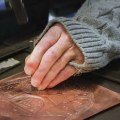
Hand engraving
is one of the oldest forms of engraving and involves using specialized tools to carve designs directly into the surface of an object. Essential tools for this technique include engraving pens, which come in various sizes and shapes to create different effects. Beginners can find inspiration for their hand engraving projects by observing intricate patterns in nature or art. The tactile nature of hand engraving encourages a deep connection with the material, allowing for personal expression and unique outcomes.Wood engraving
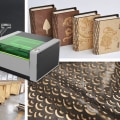
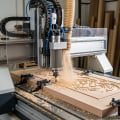
is another popular technique that involves carving images into the surface of a wood block.This method requires specific tools such as rotary tools and specialized chisels. The texture of wood can inspire different styles, from rustic and organic to polished and refined. By experimenting with various wood types, beginners can discover how different grains and finishes impact their designs. Furthermore, wood is an excellent medium for creating custom gifts or home decor items that resonate with personal significance.
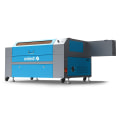
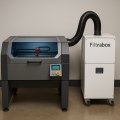
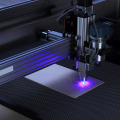
Laser engraving
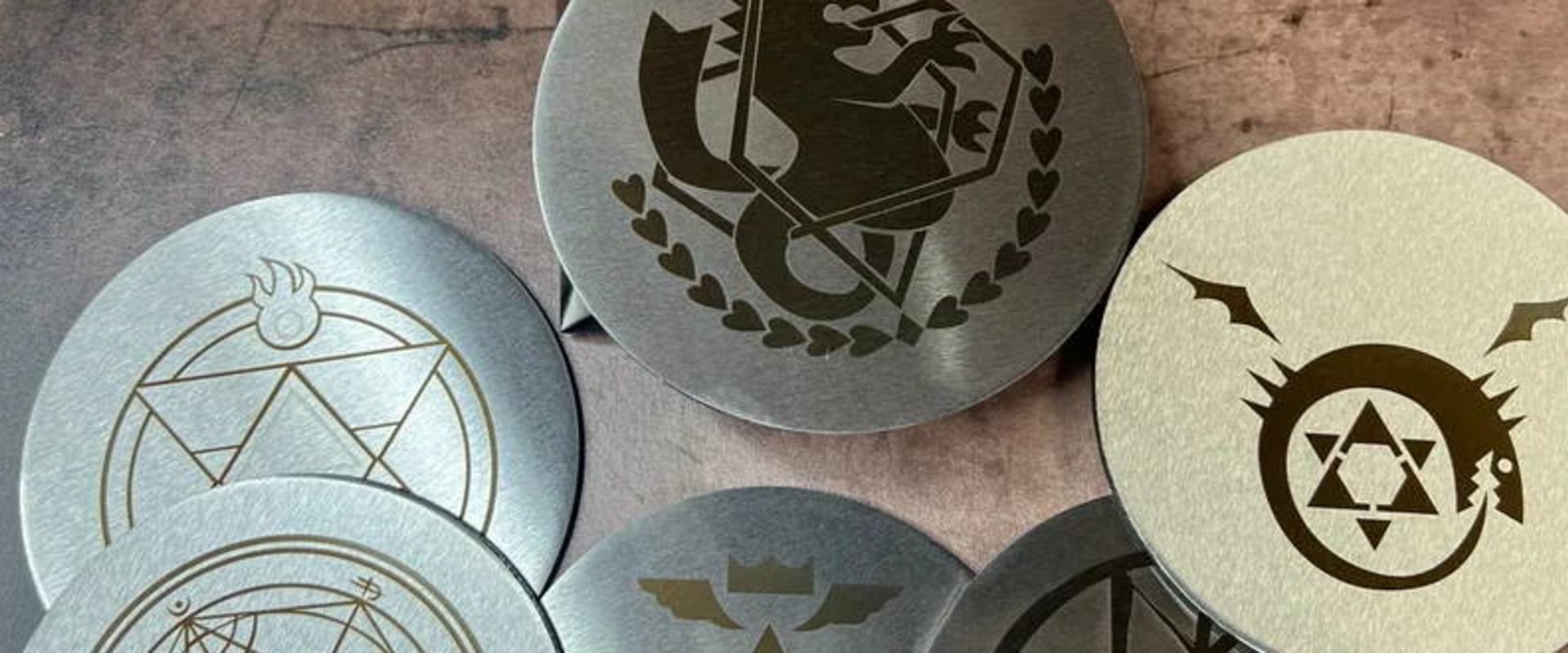
, on the other hand, utilizes advanced technology to etch designs onto various surfaces with precision.A laser engraver is a significant investment but can yield stunning results across multiple materials including metal, glass, and acrylic. This technique opens up endless possibilities for creating detailed artwork or personalized items quickly and efficiently. Beginners may find inspiration in current trends by exploring digital design platforms or online galleries showcasing laser-engraved pieces. No matter the technique chosen, finding design ideas is crucial for beginners looking to ignite their creativity. Nature offers an abundance of inspiration; capturing the intricate details of leaves, flowers, or animals can lead to unique engravings that reflect the world around us.
Additionally, artists can look to traditional art forms or contemporary designs for fresh ideas. Keeping an eye on current trends in fashion and home decor can also spark innovative concepts that resonate with potential customers. The choice of material plays a significant role in the engraving process as well. Practicing on different surfaces such as wood, metal, and glass helps beginners understand the unique properties of each material. For instance, wood may require different pressure than metal, while glass might need a more delicate touch to avoid cracking.
By experimenting with various materials, engravers can discover their preferred mediums and develop their own distinctive style. Engraving has numerous applications beyond artistic expression; it can be used to create custom gifts such as engraved jewelry, personalized home decor items like photo frames, or even functional objects such as cutting boards. Each project presents an opportunity for beginners to showcase their creativity and craftsmanship while providing meaningful gifts to loved ones. As with any new skill, beginners may face challenges along their engraving journey. Common issues include difficulty mastering tool control or struggling with design execution. To overcome these obstacles, it’s essential to practice consistently and seek feedback from more experienced engravers or online communities.
Participating in workshops can also provide valuable hands-on experience and guidance. Successful beginner projects often serve as inspiring examples for newcomers to the craft. Simple designs such as monograms or geometric patterns can yield impressive results without overwhelming beginners. As they gain confidence and skill, they can gradually tackle more complex designs that challenge their abilities. In conclusion, finding inspiration as a beginner engraver involves exploring various techniques, experimenting with diverse materials, and seeking design ideas from multiple sources. By embracing creativity and practicing regularly, budding engravers can develop their skills while producing beautiful works that reflect their unique vision.
Applications of Engraving
Engraving is not just an artistic endeavor; it has a variety of practical applications that enhance everyday life.From personalized gifts to functional items, the versatility of engraved products can be seen in various aspects of daily living.
Personalized Gifts
are one of the most popular applications of engraving. Items such as jewelry, picture frames, and keepsake boxes can be customized with names, dates, or special messages. These personalized touches transform ordinary gifts into cherished mementos that hold sentimental value. Additionally, home decor can greatly benefit from engraving. Items like wooden coasters, glassware, and wall art can be uniquely designed to complement any interior style.Engraved pieces often become conversation starters, adding a distinctive flair to home aesthetics. In professional settings, engraved awards and trophies serve as recognition for achievements. These items not only acknowledge hard work but also inspire others within an organization. Custom engravings on awards can include logos, names, and accomplishments, making them truly unique.
Functional Items
, such as tools or kitchen utensils, can also be engraved for both aesthetic appeal and practicality. Engraved items help in personalizing tools for specific users, making them easier to identify in a shared workspace.Furthermore, custom engravings on kitchen gadgets can add a touch of personality to cooking experiences. Lastly, commemorative items, like memorial plaques or pet markers, serve a significant purpose in honoring memories. These engravings allow individuals to pay tribute to loved ones or pets in a lasting way. Overall, the applications of engraving are vast and varied. By exploring these practical uses, beginner engravers can find inspiration in the potential impact their craft can have on everyday life.
Finding Design Inspiration
Finding design inspiration is a crucial step for beginner engravers looking to develop their unique style and techniques. Inspiration can be found in a variety of places, and it is important to explore these avenues to ignite creativity and enhance your skillset. One of the best sources for design ideas is nature.The intricate patterns found in leaves, flowers, and even animal fur can provide endless possibilities for engraving designs. Consider taking a walk in the park or visiting a botanical garden to observe the beauty of the natural world. Take photographs or sketch what you see, as these can serve as references for future projects. Everyday objects around your home can also be a rich source of inspiration. Look at the textures and shapes of items like furniture, utensils, or textiles.
Even simple objects like rocks or glass can inspire unique engravings. Pay attention to how light interacts with these objects, as this can influence your designs. Additionally, exploring the work of established engravers can provide valuable insights and ideas. Study their techniques and styles, and think about how you can incorporate elements from their work into your own projects. Social media platforms such as Instagram and Pinterest are excellent resources for discovering a wide array of engraving styles and designs.
Create mood boards to gather ideas that resonate with your personal aesthetic. Finally, don’t hesitate to draw inspiration from other art forms such as painting, sculpture, or photography. Each art form has its own unique characteristics that can translate beautifully into engraving. By broadening your sources of inspiration, you will develop a more diverse skill set and a more personal style.
Exploring Different Engraving Techniques
Engraving is a versatile art form that encompasses various traditional and modern methods. Understanding these techniques can greatly enhance your creativity and inspire you as a beginner engraver.Traditional engraving
techniques often include methods such as hand engraving, where tools like burins or gravers are used to carve designs directly onto materials like metal, wood, or glass.This method requires precision and a steady hand, making it an excellent way for beginners to develop their skills while appreciating the craftsmanship involved. Another traditional technique is wood engraving, which involves carving images into the end grain of wood blocks. This method produces intricate and detailed prints, allowing engravers to experiment with different patterns and textures. On the other hand, modern engraving techniques have introduced new technologies that can complement traditional methods. For instance, laser engraving uses focused laser beams to etch designs onto various surfaces with incredible accuracy. This method allows for rapid prototyping and the ability to create complex designs that might be challenging with hand tools. Additionally, rotary engraving employs high-speed rotating bits to carve into materials, offering greater control over depth and detail.
This technique is popular among hobbyists for its ease of use and versatility. As you explore these different engraving techniques, consider how each method can inspire you in your artistic journey. Try combining traditional and modern approaches to create unique pieces that reflect your personal style.
Overcoming Challenges as a Beginner
As a beginner engraver, you may encounter a variety of challenges that can feel overwhelming at times. Understanding these common issues and knowing how to address them is essential in fostering your creativity and skill development. Here are some tips to help you navigate the early stages of your engraving journey.1.Mastering the Basics:
One of the most common challenges faced by new engravers is mastering the fundamental techniques.Start by practicing simple designs and gradually work your way up to more complex patterns. Consistent practice is key to improving your control and precision.
2.Finding the Right Tools:
Selecting the appropriate tools can be daunting for beginners. Invest in a few high-quality engraving tools that suit your style and comfort level. As you gain experience, you can explore additional tools that enhance your creativity.3.Dealing with Frustration:
It’s natural to feel frustrated when your engravings don’t turn out as expected.Instead of getting discouraged, take a step back and analyze what went wrong. Use these moments as learning opportunities to refine your techniques.
4.Overcoming Creative Blocks:
All artists experience creative blocks at some point. To overcome this, try changing your environment or seeking inspiration from different sources, such as nature or other art forms. Engaging with fellow engravers can also spark new ideas.5.Balancing Technique and Creativity:
Beginners often struggle with balancing technical skills and creative expression.Remember that it’s important to allow yourself the freedom to experiment. Embrace imperfections as part of the learning process, and don’t be afraid to step outside of traditional boundaries. By acknowledging and addressing these common challenges, you can set a strong foundation for your engraving journey, ultimately leading to a more fulfilling and inspiring experience.
Essential Tools for Beginners
As a beginner engraver, having the right tools is crucial for developing your skills and bringing your creative visions to life. Below is a list of essential tools that every aspiring engraver should consider:1.Engraving Tool: The primary tool for any engraver, this can be a manual engraving pen or a rotary tool with engraving attachments. These tools allow you to create precise lines and designs on various materials.2.Engraving Blades
: A variety of blades are available for different effects, including fine point blades for detailed work and larger blades for broader strokes.It’s important to select the right blade based on the intricacy of your design.
3.Work Surface
: A sturdy workbench or engraving board is essential for providing a stable surface. Look for surfaces designed specifically for engraving, as they often have features that help hold your workpiece in place.4.Safety Goggles
: Protecting your eyes is vital when engraving, especially when using power tools. Safety goggles will shield your eyes from debris and dust that may occur during the engraving process.5.Clamps
: These are useful for securing your workpiece while you engrave. This ensures stability and precision in your work, allowing you to focus on your design without worrying about movement.6.Sandpaper
: After engraving, you may want to smooth out the edges or prepare the surface for finishing.Different grits of sandpaper can help achieve a polished look.
7.Design Templates
: As a beginner, utilizing templates can guide your engraving process. They can be found in books or online and can help you practice different styles and techniques. Having these essential tools will set a strong foundation for your engraving journey, allowing you to experiment and develop your unique artistic style. In conclusion, Finding Inspiration as a Beginner Engraver is an essential step in your engraving journey. We have discussed various key points, including the importance of exploring different engraving techniques and familiarizing yourself with essential tools. As a beginner, it is crucial to seek design inspiration from everyday objects and nature, which can help you unlock your creative potential. Remember, developing your unique style takes time and practice.Embrace the challenges you may face along the way and use them as opportunities to grow. By continually seeking inspiration from both your environment and the work of established engravers, you can enhance your skills and find your artistic voice in the world of engraving.