Hand engraving is an ancient art form that has captivated artisans and enthusiasts for centuries. Whether you're a seasoned engraver or a curious beginner, understanding the essential tools for hand engraving is crucial to mastering this intricate craft. With a rich history steeped in tradition, hand engraving combines skillful techniques and artistic expression to create stunning designs on various materials. As you delve into the world of hand engraving, you'll find that the tools you choose can greatly influence your creativity and precision. From classic tools that have been used for generations to innovative modern equipment designed to enhance your workflow, each tool plays a vital role in bringing your artistic vision to life.
In this guide, we will explore the full spectrum of tools for hand engraving, providing insights into their functions and applications. Join us on this journey through the essential tools that every engraver should have at their disposal. Whether you're looking to refine your technique or embark on a new engraving project, this article will equip you with the knowledge you need to select the right tools and elevate your craftsmanship. Hand engraving is a time-honored craft that combines artistry with precision, allowing artisans to transform ordinary materials into extraordinary works of art. This meticulous process has seen a resurgence in popularity as more individuals seek personalized items that tell their unique stories. The tools for hand engraving vary widely, each designed to cater to different techniques and materials, providing artists with a range of options to express their creativity. Among the most essential traditional tools for hand engraving are burins, gravers, and chisels.
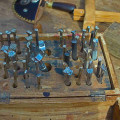
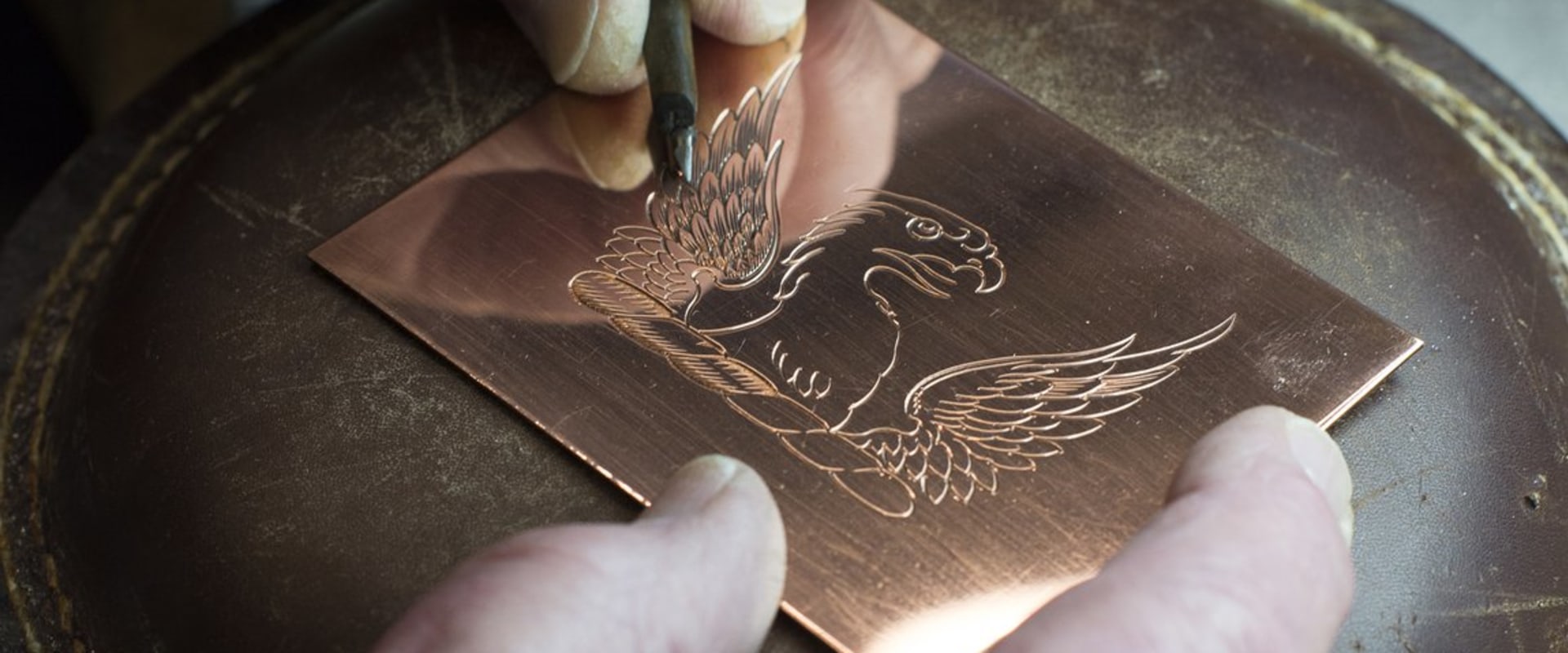
Each of these tools serves a distinct purpose. A burin is a pointed engraving tool typically used for creating fine lines and intricate designs on metal surfaces. To use a burin effectively, an engraver holds it at a specific angle, applying pressure to carve out the desired pattern. This tool is particularly well-suited for hard metals like brass and silver, where precision is paramount.
Gravers
, similar to burins but featuring different shapes of tips, are versatile tools that allow for both line work and shading effects.They can be used on a variety of materials, including soft metals, plastics, and wood. Beginners may find that using a graver with a comfortable handle can greatly improve their control and technique. Chisels, on the other hand, are ideal for removing larger sections of material or creating deeper grooves in softer surfaces like wood or stone. When using a chisel, it is important to maintain a steady hand and choose the right size for the task at hand. In addition to these traditional tools, modern advancements have introduced options like rotary engravers and laser engravers.
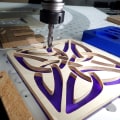
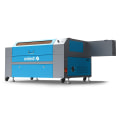
Rotary engravers utilize high-speed rotating bits to etch designs into various surfaces quickly and efficiently. These tools are beneficial for projects requiring rapid production or for those who may not have the time to dedicate to traditional hand engraving techniques. However, while rotary engravers offer speed, they may lack the intricate detail that hand tools can achieve. On the other hand, laser engravers use focused beams of light to etch designs with remarkable precision. They can work on an array of materials such as wood, glass, and even some metals.
The benefit of laser engraving lies in its ability to produce highly detailed images without the physical wear on tools or the risk of damaging materials through excessive pressure. However, laser engraving often requires access to specialized equipment and software, making it less accessible for hobbyists than traditional hand engraving methods.Custom engraving services play a crucial role in the personalization trend by utilizing both traditional and modern tools to create bespoke items. Whether crafting jewelry with names or dates or engraving decorative patterns on gifts, these services cater to clients looking for unique products that reflect their individuality. By leveraging their skills with various tools, these artisans can achieve stunning results that resonate with personal significance. For beginners interested in taking up hand engraving, selecting the right tools based on skill level and project requirements is vital. The benefit of laser engraving lies in its ability to produce highly detailed images without the physical wear on tools or the risk of damaging materials through excessive pressure. However, laser engraving often requires access to specialized equipment and software, making it less accessible for hobbyists than traditional hand engraving methods. Custom engraving services play a crucial role in the personalization trend by utilizing both traditional and modern tools to create bespoke items. Whether crafting jewelry with names or dates or engraving decorative patterns on gifts, these services cater to clients looking for unique products that reflect their individuality. By leveraging their skills with various tools, these artisans can achieve stunning results that resonate with personal significance. For beginners interested in taking up hand engraving, selecting the right tools based on skill level and project requirements is vital.
Starting with simpler tools like gravers or even basic burins can provide valuable practice before progressing to more advanced techniques. It is advisable for beginners to invest in high-quality tools designed for ergonomic comfort, as this will aid in developing proper technique without causing undue strain. Design inspiration can be drawn from numerous sources ranging from nature to geometric patterns. Beginners should feel encouraged to experiment with different styles and motifs as they develop their skills. Simple designs like initials or basic floral patterns can serve as starting points before tackling more complex works. The versatility of hand engraving extends across various materials such as metal, wood, glass, and stone.
Each material presents unique challenges; for example, metal requires precise techniques due to its hardness, whereas wood allows for more forgiving experimentation. Glass engraving demands careful attention to avoid shattering or cracking, often necessitating a lighter touch and specialized diamond-tipped tools. Stone engraving involves working with chisels or pneumatic tools due to the material's density. Finally, potential challenges in hand engraving include maintaining consistent pressure during engraving strokes and achieving clean lines without excessive force. Beginners can overcome these hurdles by practicing on scrap materials before committing to final projects and utilizing appropriate tools for each specific material type.
With dedication and the right set of tools, anyone can embark on the rewarding journey of hand engraving.
Choosing the Right Tools for Beginners
For those just embarking on the journey of hand engraving, selecting the right tools is crucial to developing skills and ensuring successful projects.Hand engraving
can vary significantly based on the materials used and the techniques employed, so understanding what is available can help beginners make informed choices. First, consider the type of projects you want to undertake. If you plan to engrave soft materials like wood or acrylic, a basic set of engraving tools may suffice. These often include a few essential items such as a graver, which is a pointed tool used for cutting into the surface, and a burnisher for smoothing out the engraved lines. For those interested in more intricate designs or harder materials like metal or glass, investing in a more comprehensive set of tools is advisable.This might include various sizes of gravers, each suited for different line widths and styles, as well as chasing tools that are designed for creating deeper cuts. Additionally, consider your skill level when selecting tools. Beginners might find it beneficial to start with a starter kit, which often includes a selection of essential tools along with instructional materials. This can help build confidence while learning basic techniques. Finally, don’t forget about safety equipment. Using protective eyewear and gloves can prevent accidents as you get accustomed to handling tools.
Overall, choosing the right tools tailored to your projects and skill level will not only enhance your experience but also contribute to your growth as an engraver.
Traditional Engraving Tools
Hand engraving is an ancient art form that has been refined over centuries, and it relies heavily on a set of traditional tools that have stood the test of time. Among these tools, burins, gravers, and chisels are essential for any engraver looking to master the craft. A burin is a pointed tool with a sharp edge that allows for precise and controlled cuts. It is commonly used in engraving metal and wood, where the engraver applies varying pressure to create different line widths and depths. The technique requires a steady hand and a keen eye to achieve detailed designs.Gravers
, similar to burins, are specialized tools used for creating intricate patterns on hard surfaces.They come in various shapes, including flat, round, and square, each serving a specific purpose. For instance, a flat graver is ideal for creating bold lines, while a round graver can produce delicate details. Mastering the use of gravers involves understanding the angle of attack and the force applied during engraving.
Chisels
are also integral to traditional hand engraving. These tools have a wider blade than gravers and are typically used for removing larger amounts of material or creating deeper cuts.Chisels can be employed in both relief engraving and carving, making them versatile tools in the engraver's toolkit. In conclusion, mastering these traditional tools—burins, gravers, and chisels—is essential for anyone serious about pursuing hand engraving. Each tool offers unique capabilities and requires practice to wield effectively, contributing significantly to the engraver's artistry.
Modern Engraving Technologies
Modern engraving technologies have revolutionized the way artisans and hobbyists approach the craft of engraving. With advancements in technology, tools such as rotary engravers and laser engravers have emerged, offering a new level of precision and versatility that traditional methods may not provide.Rotary engravers
use a spinning cutting tool to carve designs into various materials. These tools are highly versatile and can be used on metals, plastics, glass, and wood.One of the major advantages of rotary engravers is their ability to create intricate details and textures, making them ideal for both artistic pieces and functional items like trophies or plaques. Additionally, rotary engravers often allow users to adjust the speed and depth of the cut, providing greater control over the engraving process. On the other hand, laser engravers utilize focused beams of light to etch or cut materials with extreme precision. This technology is particularly advantageous for creating highly detailed designs and is widely used in commercial settings for producing customized gifts, signage, and decorative items. One of the standout benefits of laser engraving is its ability to work with a wide range of materials, including wood, acrylic, leather, and even metal.
Moreover, laser engravers typically offer software integration that allows for easy design uploads and modifications, streamlining the workflow for users. The resurgence in interest in hand engraving techniques has also led many artisans to explore these modern tools as complementary to traditional methods. While hand engraving offers a personal touch and craftsmanship that technology cannot replicate, modern tools provide speed and efficiency that can enhance productivity without sacrificing quality. In today's market, combining both traditional techniques with modern engraving technologies allows artisans to achieve remarkable results that cater to evolving consumer demands for personalization and uniqueness.
Custom Engraving Services
Custom engraving services offer a unique opportunity for individuals and businesses to create personalized items that reflect their style and intentions. From jewelry to awards, these services cater to a wide range of needs, allowing customers to add a personal touch to their belongings.With the resurgence of interest in hand engraving, many artisans are rediscovering traditional techniques while also embracing modern technologies. At the core of custom engraving services is a diverse set of tools that enable engravers to achieve intricate designs on various materials such as metal, wood, glass, and acrylic. Traditional tools like gravers and burins are often used for hand engraving, allowing artisans to carve detailed patterns by hand. These tools require skill and precision, showcasing the artistry involved in the engraving process. In addition to traditional methods, many custom engraving services now incorporate modern technologies such as laser engraving. Laser engravers utilize focused beams of light to etch designs onto surfaces with incredible accuracy.
This method allows for rapid production and can accommodate complex designs that might be challenging to achieve by hand. The combination of traditional and modern tools provides custom engraving services with the flexibility to meet various client requests. Whether it’s a simple monogram or an elaborate design, engravers can choose the appropriate tools based on the material and desired outcome. This versatility not only enhances the quality of the final product but also ensures customer satisfaction. Overall, custom engraving services play a vital role in the world of personalization, offering a range of tools that celebrate both heritage craftsmanship and innovative technology. As more people seek unique gifts or personal keepsakes, these services continue to thrive, making hand engraving an art form that is both timeless and contemporary.
Engraving on Different Materials
When it comes to hand engraving, the choice of material significantly influences the techniques used and the tools required.Each material presents its own unique challenges and possibilities, making it essential for engravers to understand how to work with them effectively.
Engraving on Metal
: Metal is one of the most popular materials for hand engraving due to its durability and versatility. Common metals used include brass, aluminum, and stainless steel. When engraving on metal, it is crucial to use a sharp engraving tool to achieve clean lines. A steady hand and consistent pressure will help maintain uniform depth.Additionally, using a lubricant can reduce friction and prevent tool wear.
Engraving on Wood
: Wood offers a warm aesthetic that many artisans love. However, the type of wood chosen can affect the engraving process. Softer woods like pine are easier to engrave but may not hold fine details as well as harder woods like oak or cherry. To engrave on wood, use a rotary tool or a chisel for more intricate designs.It is beneficial to sand the surface before engraving to create a smooth finish that allows for better detail retention.
Engraving on Glass
: Glass engraving requires a different approach due to its fragile nature. The use of diamond-tipped tools is recommended for achieving precision. Techniques such as sandblasting can also be employed for larger areas, while hand tools work well for detailed work. Always ensure that the glass is securely held in place to avoid any accidents during the engraving process.Engraving on Stone
: Stone engraving is an ancient craft that produces stunning results.Common types of stone for engraving include granite, marble, and slate. Due to the hardness of stone, diamond-tipped tools are essential. It is important to work slowly and steadily, applying even pressure to create deep, lasting engravings. Wetting the stone can help reduce dust and improve visibility during the engraving process. In conclusion, understanding the nuances of each material can greatly enhance an engraver's skill set.
By mastering different techniques tailored to specific materials, artists can expand their repertoire and create stunning personalized pieces that resonate with their audience.
Tips and Design Ideas for Beginners
Starting your journey in hand engraving can be both exciting and daunting. To help you navigate this intricate art form, here are some practical tips to enhance your skills and inspire your creativity.1.Choose the Right Tools:
As a beginner, invest in a basic set of engraving tools that include a graver, a magnifying glass, and a sturdy surface to work on. Familiarize yourself with how each tool functions to gain confidence in your abilities.2.Practice on Scrap Material:
Before moving on to your final project, practice on scrap pieces of metal or wood. This allows you to experiment with different techniques without the pressure of ruining your main piece.3.Start with Simple Designs:
Begin with straightforward patterns or shapes.Geometric designs, initials, or simple motifs are great starting points that can help you build your skills gradually.
4.Use Guides and Templates:
Don’t hesitate to use stencils or printed templates as a guide for your engravings. This can provide a framework that makes it easier to achieve clean and precise lines.5.Experiment with Depth:
Varying the depth of your engravings can add dimension and character to your work. Try different pressures while engraving to discover what works best for you.6.Draw Inspiration from Nature:
Nature is a rich source of design ideas. Consider incorporating elements like leaves, flowers, or animals into your engravings.Sketch these designs beforehand to visualize how they will look when engraved.
7.Join Engraving Communities:
Connecting with other engravers can provide valuable feedback and inspiration. Online forums and local workshops are excellent places to share experiences and learn from others.8.Document Your Progress:
Keep a portfolio of your work to track your improvement over time. This can also serve as a source of motivation when you look back at how far you’ve come. By following these tips and allowing your creativity to flow, you'll find yourself enjoying the process of hand engraving while developing your unique style. In conclusion, this article has highlighted the essential tools for hand engraving, emphasizing the significance of selecting the right equipment to achieve successful results in your projects. We explored both traditional engraving toolstraditional engraving tools and modern engraving technologies, showcasing how each offers unique advantages for different styles and materials. We encourage you to experiment with various techniques and materials, as this will not only enhance your skills but also allow you to express your creativity fully.Whether you are a beginner or an experienced engraver, understanding the nuances of your tools can make a significant difference in your craftsmanship. We invite you to share your experiences or ask any questions you may have about hand engraving. Engaging with fellow enthusiasts can provide valuable insights and inspiration as you embark on your engraving journey.