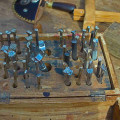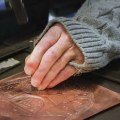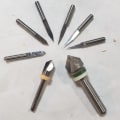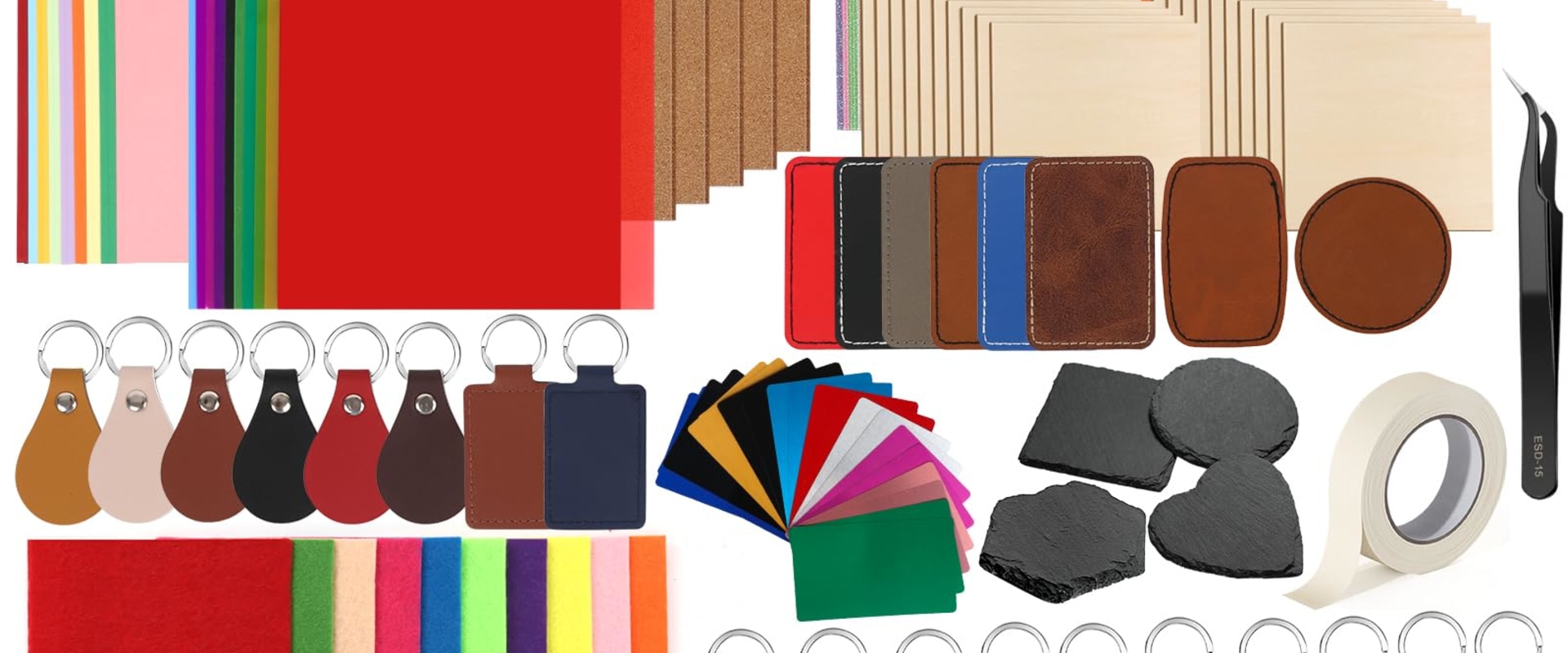
Engraving is a captivating art form that has evolved significantly over the years, transcending traditional boundaries to embrace an array of unique materials. While many may think of metal and wood as the primary canvases for this craft, the world of engraving offers a treasure trove of alternative substrates just waiting to be explored. Whether you are a seasoned engraver or a curious beginner, discovering these unconventional materials can breathe new life into your projects and elevate your artistic expression. Imagine the satisfaction of transforming unexpected items into stunning pieces of art! From the glossy surface of acrylic to the porous texture of stone, the possibilities are endless. With each material presenting its own set of challenges and characteristics, experimenting with various substrates can unlock new techniques and inspire innovative designs.
This article aims to take you on a journey through some of the most intriguing materials for engraving, inviting you to think outside the box and expand your creative horizons. So, if you're ready to venture beyond the ordinary and explore the extraordinary, join us as we delve into the fascinating world of unique materials for engraving. Your next masterpiece might just be waiting in the most unexpected places!Choosing the right material for engraving is crucial as it directly influences the quality, durability, and aesthetic appeal of the final product. Different materials respond uniquely to various engraving techniques, and understanding these differences can unlock new avenues for creativity. Whether you are creating personalized gifts, artistic pieces, or commercial products, experimenting with unique materials can lead to innovative designs that stand out. One of the most fascinating materials to work with is glass.
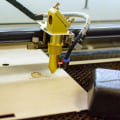
Engraving on glass can produce stunning results, showcasing intricate designs that play with light and transparency. Techniques such as sandblasting and laser engraving are commonly used for this medium. Sandblasting involves using a high-pressure stream of abrasive material to etch the surface, while laser engraving uses concentrated beams of light to create precise patterns. Tools required include a sandblaster or a laser engraving machine, along with protective gear for safety.
Challenges may include ensuring the glass is securely held during the process to prevent breakage and achieving the desired depth of engraving without compromising the material's integrity. Successful projects often include custom awards, decorative glassware, or personalized photo frames, which demonstrate how engraved glass can elevate any occasion. Acrylic is another exciting option for engraving. This versatile plastic can mimic the appearance of glass while being lighter and less fragile. Common engraving techniques for acrylic include rotary engraving and laser engraving.
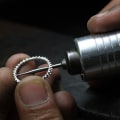
The use of a rotary tool with a specialized bit allows for detailed designs, while laser engraving creates clean edges and intricate patterns. Tools needed for acrylic engraving typically include rotary engravers or laser cutters, along with specific bits designed for plastic. A potential challenge is ensuring that the acrylic does not melt during the engraving process; therefore, maintaining appropriate speeds and settings is crucial. Engraved acrylic is popular in signage, awards, and decorative art pieces. The use of a rotary tool with a specialized bit allows for detailed designs, while laser engraving creates clean edges and intricate patterns. Tools needed for acrylic engraving typically include rotary engravers or laser cutters, along with specific bits designed for plastic. A potential challenge is ensuring that the acrylic does not melt during the engraving process; therefore, maintaining appropriate speeds and settings is crucial. Engraved acrylic is popular in signage, awards, and decorative art pieces.
For instance, creating illuminated signs with engraved patterns can result in visually striking displays that capture attention. Engraving stone presents its own unique set of challenges and rewards. Materials like granite, marble, and slate can be transformed into beautiful engraved artworks or memorials. The traditional method of hand engraving using chisels allows for deep cuts and personal touches, while modern techniques like laser engraving provide precision and speed. A diamond-tipped bit or a CNC (Computer Numerical Control) machine is often used for stone engraving to achieve detailed designs. presents its own unique set of challenges and rewards. Materials like granite, marble, and slate can be transformed into beautiful engraved artworks or memorials. The traditional method of hand engraving using chisels allows for deep cuts and personal touches, while modern techniques like laser engraving provide precision and speed. A diamond-tipped bit or a CNC (Computer Numerical Control) machine is often used for stone engraving to achieve detailed designs.
One challenge is the hardness of stone; proper tools and techniques must be employed to avoid chipping or cracking the material. Successful applications of engraved stone include gravestones, decorative garden stones, or custom awards that celebrate achievements in a lasting way.
Leather
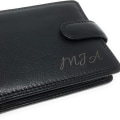
is a fantastic material that offers both durability and aesthetic appeal when engraved correctly. Techniques such as pyrography (wood burning) and laser engraving are popular choices for leather projects. Pyrography involves using a heated tool to burn designs into the leather surface, creating a unique texture and finish.On the other hand, laser engraving provides precision and can be used to create intricate patterns on various types of leather. Tools required may include a pyrography pen or a laser engraver suitable for leather materials. Beginners often worry about damaging the leather during the engraving process; however, testing on scrap pieces can help mitigate this concern. Engraved leather finds its place in custom wallets, belts, or keychains, providing a personal touch that enhances everyday items. Finally, fabric opens up a world of possibilities for creative expression through engraving techniques like embroidery and laser cutting.
While traditional methods involve stitching designs onto fabric, laser cutting allows for precise cuts that can create intricate lace-like patterns or even full designs directly on fabric surfaces. Tools needed for fabric engraving typically include an embroidery machine or a laser cutter specifically designed for textiles. Common challenges include ensuring the fabric does not fray during the process and selecting appropriate settings to achieve clean cuts without damage. Successful projects include personalized fabric bags, decorative quilts with engraved patches, or custom apparel that feature unique patterns tailored to individual tastes. As you explore these unique materials, remember that experimentation is key to discovering what works best for your projects.
Many beginners may feel intimidated by the idea of engraving on unconventional surfaces; however, starting small and gradually building confidence through practice can lead to impressive results over time. Each material brings its own character to your creations—embracing this diversity will not only enhance your skills but also expand your creative horizons in the captivating world of engraving.
Leather Engraving: Personalization at Its Best
Leather engravingLeather engraving is a fantastic way to add a personal touch to leather goods, making them truly unique. There are several methods to engrave leather, each offering different results and aesthetics. Two popular techniques are hot stamping and laser engraving.Hot stamping
involves using heat and pressure to imprint a design onto the leather surface, typically using a metal die.This method works well for simpler designs and is often used for branding or monogramming leather items like wallets, belts, and bags. The result is a crisp, raised impression that adds texture and depth to the piece. On the other hand, laser engraving has become increasingly popular due to its precision and versatility. This technique utilizes a laser beam to etch intricate designs directly onto the leather. The level of detail achievable with laser engraving allows for complex patterns, detailed illustrations, and even photographs.
Additionally, laser engraving can be used on various types of leather, including faux leather, expanding the range of materials available for experimentation. When it comes to design ideas for personalized leather goods, the possibilities are endless. Consider engraving names or initials on wallets or bags for a classic touch. For gifts, custom messages or quotes can make an item even more special. For those looking to explore their creativity, experimenting with patterns such as geometric shapes or nature-inspired motifs can transform ordinary leather into a stunning work of art. Ultimately, leather engraving serves not only as a means of personalization but also as an avenue for expressing artistic vision.
By exploring different engraving methods and design ideas, artisans can elevate their craft and create one-of-a-kind pieces that resonate with personal stories and unique styles.
Fabric Engraving: Innovative Textile Techniques
Fabric engraving is an exciting and innovative approach that allows artists and designers to personalize textiles with intricate designs. This method opens up a world of possibilities for fashion and home decor projects, enabling the creation of unique pieces that stand out. One of the primary methods for engraving on fabric is through the use of laser engraving. This technique employs a laser cutter to etch designs onto the surface of various textiles, allowing for precise detailing and a variety of patterns. Laser engraving is not only efficient but also allows for a high degree of customization, making it ideal for fashion items such as bags, clothing, and accessories. Another method involves using stencils and fabric paint or dye.By creating a stencil of your desired design and applying paint or dye through it, you can achieve a beautiful engraved effect on fabric. This technique is particularly useful for home decor projects, such as throw pillows or wall hangings, where you want to add a personal touch. For those interested in more hands-on methods, embroidery can also be considered a form of fabric engraving. By using various stitching techniques, artists can create textured designs that effectively 'engrave' the fabric with thread. This is particularly popular in custom clothing and accessories. To successfully experiment with fabric engraving, having the right tools is essential.
For laser engraving, you'll need access to a laser cutter and software to create your designs. For stencil methods, basic craft supplies like stencils, fabric paint or dye, and brushes are needed. If you're opting for embroidery, a sewing machine or embroidery hoop along with various threads will be required. Overall, fabric engraving offers a unique opportunity for creativity in both fashion and home decor. By exploring different techniques and materials, you can bring your artistic visions to life in an innovative way.
Acrylic Engraving Techniques
Acrylic is a versatile and visually appealing material that has gained popularity in the world of engraving.Unlike traditional materials such as wood and metal, acrylic offers a unique combination of properties that make it an excellent choice for a variety of projects. One of the main advantages of using acrylic is its lightweight nature, which makes it easy to handle and manipulate during the engraving process. This characteristic is particularly beneficial for intricate designs that require precision and detail. Additionally, acrylic comes in a wide range of colors and finishes, allowing artists to experiment with different aesthetics that can enhance their work. Another significant benefit is the ability of acrylic to be engraved using both traditional methods and modern techniques such as laser engraving. Laser engraving on acrylic produces clean, crisp lines and can create stunning effects, such as depth and contrast, which are often difficult to achieve with wood or metal. Moreover, acrylic is more resistant to moisture and environmental factors compared to wood, making it an ideal choice for outdoor applications or items that may be exposed to varying conditions.
This durability ensures that engraved designs remain vibrant and intact over time. In summary, experimenting with acrylic in engraving projects not only expands the creative possibilities but also offers practical advantages over traditional materials. Its unique properties make it an exciting medium for both novice and experienced engravers alike.
Stone Engraving: A Timeless Choice
Stone engraving is one of the oldest forms of artistic expression, offering a unique combination of durability and beauty. Different types of stone can be used for engraving, each providing distinct characteristics and aesthetics. Common stones include granite, marble, slate, and limestone, each presenting its own set of challenges and rewards.Granite
is perhaps the most popular choice for memorial stones due to its strength and resistance to weathering.It can withstand the elements, making it an ideal material for outdoor monuments. The engraving process on granite typically involves using diamond-tipped tools or sandblasting techniques to achieve precise and intricate designs.
Marble
, known for its elegance and smooth surface, is often used for decorative pieces and sculptures. It allows for finer detailing but requires careful handling, as it is more prone to chipping. Engraving on marble usually involves rotary tools with specially designed bits to create detailed patterns.Slate
is another versatile option, often used for personalized items like coasters or plaques.Its natural cleft surface provides a rustic charm, making it ideal for artistic engravings. Tools needed for slate engraving include handheld engraving pens or chisels, allowing for both fine lines and bold designs.
Limestone
, although softer than granite or marble, can be successfully engraved with the right tools. It is often chosen for architectural features or garden stones. The process requires handheld chisels or pneumatic tools to carve into the softer material while maintaining control over the design. The applications of stone engraving are vast, ranging from memorial stones that commemorate loved ones to decorative pieces that enhance home interiors.The timeless nature of stone ensures that engravings remain intact for generations, making them a cherished way to express individuality and creativity.
Engraving on Glass
Engraving on glass is a captivating method that allows artists and craftsmen to create intricate designs and personalized items. Two popular techniques for engraving glass are sandblasting and laser engraving, each offering unique advantages and outcomes.Sandblasting
, also known as abrasive blasting, involves propelling fine particles against the glass surface at high speeds. This technique can achieve a variety of textures and depths, making it ideal for creating dramatic contrasts and detailed patterns. To start, a stencil is applied to the glass, which protects areas that should remain clear.Once the stencil is in place, the sandblasting process begins, removing the top layer of glass where the stencil is absent. The result is a beautifully etched design that can range from subtle to highly detailed. On the other hand, laser engraving uses focused laser beams to remove material from the glass surface. This method provides incredible precision and versatility, allowing for intricate designs that might be difficult to achieve with sandblasting. The laser can create both deep engravings and delicate surface markings, depending on the settings used.
Like sandblasting, laser engraving also requires a design template, which can be created digitally. One of the significant advantages of laser engraving is its ability to produce consistent results across multiple pieces. When working with glass, there are several design considerations to keep in mind. First, it’s essential to choose the right type of glass for your project; tempered glass is often recommended for durability, while crystal glass can provide stunning clarity. Additionally, consider the thickness of the glass, as thicker materials may require more powerful tools or longer processing times. To achieve clean results in engraving on glass, take note of the following tips: ensure your work area is free of dust and debris, use high-quality stencils or digital designs, and practice on scrap pieces before tackling your final project.
Furthermore, proper technique during both sandblasting and laser engraving will play a crucial role in achieving sharp edges and avoiding unwanted chipping or cracking. By experimenting with these techniques, engravers can unlock new possibilities in their art, transforming ordinary glass into extraordinary pieces of personalized craftsmanship. In conclusion, exploring unique materials in engraving not only enhances the creative process but also allows artists to push the boundaries of traditional techniques. Each medium, from glass to leather, presents its own set of challenges and rewards, encouraging engravers to innovate and personalize their work. By experimenting with various materials, you can uncover new textures, finishes, and effects that will help you develop your own distinct style. Don't hesitate to step outside your comfort zone and try something unconventional; the possibilities are endless. We invite you to share your experiences and projects with us. Whether you're a seasoned engraver or just starting out, your insights could inspire others in the engraving community.
Let’s celebrate creativity together!.