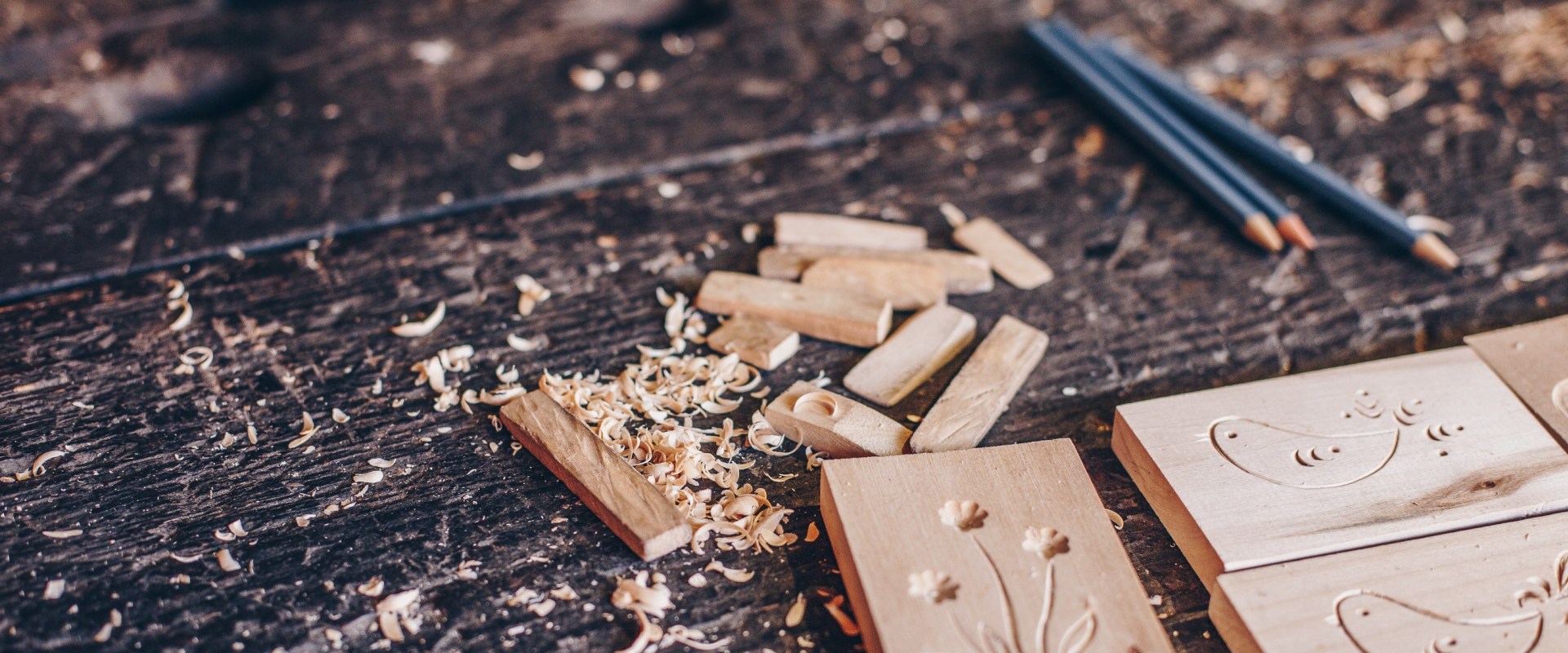
When it comes to engraving projects, the choice of material can make all the difference between a mediocre outcome and a stunning masterpiece. Among various materials, wood stands out as a favorite due to its natural beauty, versatility, and ease of use. However, not all woods are created equal, and selecting the best types of wood for engravingbest types of wood for engraving can significantly impact your project's quality and longevity. From intricate designs to bold lettering, the right wood can enhance the details of your engraving while also complementing your artistic vision. But with so many options available—each with its own unique characteristics—navigating the world of engraving woods may feel overwhelming.
That's where this guide comes in. In this article, we will delve into the various types of wood suitable for engraving, highlighting their distinct features, advantages, and ideal applications. Whether you are a seasoned engraver or just starting your journey, understanding how different woods behave during the engraving process is crucial to achieving your desired results. Join us as we explore the fascinating world of wood engraving materials and help you choose the perfect wood for your next project!The art of engraving has seen a significant rise in popularity, especially for personalized gifts and crafts. As enthusiasts and professionals alike delve into this intricate craft, the choice of wood becomes a crucial factor that directly influences the quality and aesthetic appeal of the final product. In this article, we will explore the various types of wood commonly used for engraving, providing insights that cater to both beginners and seasoned engravers. Softwoods such as pine are often favored for their ease of use and availability.
With a light color and straight grain, pine is an excellent choice for beginners who are just starting with engraving projects. The softness of this wood allows for straightforward engraving, making it ideal for simple designs and initial practice pieces. Projects like wooden signs or basic decorative items can be beautifully enhanced with pine, as its lighter hue allows for excellent contrast with darker stains or finishes. On the other hand, hardwoods like maple and cherry present a different set of characteristics that may appeal to more experienced engravers.
Maple
, known for its fine and consistent grain, is highly regarded for its durability and resistance to wear.This makes it suitable for intricate designs and detailed engravings, such as personalized cutting boards or coasters. The light color of maple also provides an excellent canvas for staining, allowing engravings to pop visually.
Cherry
, with its rich reddish-brown hue, offers a warm aesthetic that deepens over time, creating a beautiful patina. Its medium density strikes a balance between softness and hardness, making it manageable yet capable of holding fine details during the engraving process. This wood is particularly well-suited for heirloom pieces or decorative items like picture frames or plaques, where both beauty and durability are essential. As we consider the methodologies employed in engraving, traditional methods such as hand tools contrast sharply with modern techniques like laser engravinglaser engraving.The choice of wood can significantly influence the engraving process in both scenarios. Hand engraving on softer woods allows for greater control and manipulation of the design but may require more effort for intricate patterns. Conversely, laser engraving can achieve fine detail on both softwoods and hardwoods with precision; however, the density of the wood can affect how cleanly the laser cuts through. For instance, while maple responds well to laser engraving due to its uniform density, harder woods may require adjustments in laser settings to avoid charring or burning. When selecting wood types for engraving projects, there are several challenges and considerations to keep in mind.
The cost of different types of wood can vary significantly; while pine is generally more affordable, premium hardwoods like cherry or walnut can be more expensive. Additionally, availability may be a concern depending on your location and access to lumber suppliers. It's also crucial to consider finishing options since some woods take stains and finishes better than others. For example, while maple absorbs stains evenly, pine may require a pre-stain conditioner to achieve an even finish. For beginners looking to select the right wood type based on their project needs and desired outcomes, here are some tips: start with softer woods like pine or basswood for practice projects to build skills without frustration.
As confidence grows, transitioning to hardwoods such as maple, cherry, or even exotic woods can enhance the quality of work. Always consider how the wood grain will interact with your design—fine grains work well for detailed work while more pronounced grains can add character to simpler designs. Finally, always keep in mind the final application of your engraved piece; if it will undergo heavy use, prioritize durability alongside aesthetic appeal. In conclusion, understanding the different types of wood available for engraving projects is essential for achieving successful results. Whether you choose softwoods like pine, which are great for beginners, or opt for hardwoods like maple or cherry, which offer stunning aesthetics and durability, each type has its unique benefits that can enhance your project.
Engraving is not just about technique; it's about choosing the right materials that complement your artistic vision.
Engraving Techniques: Traditional vs. Modern
Engraving has a rich history, with traditional methods being practiced for centuries.Traditional engraving
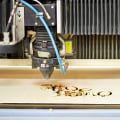
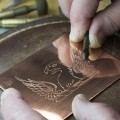
involves using hand tools like burins or chisels to carve designs into the wood. This meticulous process requires a skilled hand and a deep understanding of the material, as the engraver must control the depth and angle of each cut to achieve the desired effect.The tactile nature of this method allows for unique textures and finishes that are often sought after in artisanal projects. On the other hand, modern laser engraving technology has revolutionized the way designs are applied to wood. This method utilizes a laser beam to etch or cut designs with precision and speed, allowing for intricate patterns that may be difficult to achieve by hand. Laser engraving can also handle various wood types, ensuring consistent results across different projects. While traditional engraving celebrates craftsmanship and individuality, modern techniques offer efficiency and scalability. Each method has its merits, and the choice between them often depends on the specific requirements of the project, including detail, time, and budget considerations.
Tips for Choosing the Right Wood
When embarking on an engraving project, selecting the right wood is essential for achieving the desired outcome.Here are some key considerations to guide your choice:1.Project Type: Different projects may require specific types of wood. For instance, if you are creating personalized gifts or home decor items, softer woods like pine and cedar may be ideal due to their ease of engraving and affordability. On the other hand, for items that require durability, such as outdoor signs or furniture, hardwoods like oak or maple are recommended for their strength and longevity.
2.Design Complexity:
The intricacy of your design plays a significant role in wood selection. For detailed and intricate designs, finer-grained woods like birch or cherry are preferable, as they allow for greater precision during the engraving process.Conversely, if your design is more simplistic or consists of bold lines, you can opt for coarser woods that are easier to work with.
3.Finish:
Consider the type of finish you intend to apply after engraving. Some woods, such as walnut and mahogany, take stain and finish beautifully, enhancing the final appearance of your project. In contrast, certain softer woods may absorb finishes unevenly, which could affect the overall look. Testing a sample piece with your chosen finish can help you determine how well the wood will respond. By taking these factors into account, you can choose the right wood that aligns with your engraving project goals, ensuring a stunning final product that showcases your craftsmanship.Common Applications of Engraved Wood
Engraved wood has become a sought-after medium for various applications, offering a unique blend of aesthetics and personalization.From heartfelt gifts to functional decor, the versatility of engraved wood is truly remarkable. One of the most popular applications is in gifts. Customized wooden items such as picture frames, keychains, and coasters make for thoughtful presents that can be tailored to suit any occasion, whether it's a birthday, wedding, or anniversary. The personal touch added through engraving enhances the emotional value of these gifts. Another significant area is signage. Engraved wooden signs are widely used in homes and businesses alike.
They serve as elegant identifiers for establishments or as welcoming messages for guests. The natural texture of wood combined with detailed engravings creates a visually appealing sign that stands out. In the realm of home decor, engraved wood pieces can transform a space into a warm and inviting environment. Items like wall art, decorative plaques, and even custom shelving can be engraved with designs or quotes that reflect personal tastes and styles, adding character to any room. Lastly, custom furniture has also embraced the trend of engraving. Pieces like tables, chairs, and cabinets can be personalized with engravings that showcase craftsmanship and individuality.
This not only enhances the furniture's aesthetic appeal but also creates a lasting legacy that can be cherished for years to come. Overall, the applications of engraved wood are diverse and impactful, making it an excellent choice for those looking to create unique, personalized items.
Best Hardwoods for Engraving
When it comes to selecting the best hardwoods for engraving, several options stand out due to their unique properties and aesthetic appeal. Each type of wood brings its own characteristics that can enhance the engraving process and the final product.Maple
is a popular choice among engravers for its fine, even grain and light color. It holds intricate designs exceptionally well, making it ideal for detailed work. Additionally, maple is relatively dense, which contributes to a smooth finish and durability, ensuring that your engravings last over time.Cherry
is another excellent option, known for its warm, rich tones that deepen with age.This hardwood not only provides a beautiful backdrop for engravings but also offers a smooth surface that enhances the clarity of the designs. Cherry's natural luster gives engraved pieces an elegant look, making it a favorite for personalized gifts.
Walnut
stands out with its dark, luxurious color and striking grain patterns. This hardwood is highly regarded for its robustness and resistance to wear, making it suitable for both decorative and functional items. Engravings on walnut can create dramatic contrasts, highlighting the details of your work beautifully. Lastly, oak is renowned for its strength and durability.It features a prominent grain pattern that can add character to any engraving. Oak's resilience makes it ideal for projects that require longevity, while its natural beauty allows for stunning visual effects when engraved. In summary, choosing the right hardwood is essential for achieving exceptional results in your engraving projects. By considering woods like maple, cherry, walnut, and oak, you can enhance both the quality and appearance of your engravings.
Popular Softwoods for Engraving
When it comes to engraving, softwoods are often favored for their workability and affordability. Among the various softwoods, pine, cedar, and fir stand out as excellent choices for a variety of engraving projects.Pine
is perhaps the most commonly used softwood for engraving.Its light color and fine grain make it an ideal canvas for intricate designs. Pine is easy to carve and engrave, allowing both beginners and experienced artisans to achieve satisfying results. Additionally, its affordability makes it a popular choice for personalized gifts, signage, and home decor.
Cedar
is another excellent option, renowned for its beautiful reddish hue and aromatic scent. It is slightly more challenging to engrave than pine due to its natural oils, but the result is often worth the extra effort.Cedar’s resistance to decay makes it particularly suitable for outdoor projects, such as garden signs or decorative pieces that will be exposed to the elements.
Fir
, specifically Douglas fir, is known for its strength and durability. It has a straight grain pattern that lends itself well to detailed engraving work. Fir is often used in larger projects such as furniture or structural elements where both aesthetics and integrity are crucial. Its affordability and availability also make it a practical choice for many engraving enthusiasts. In summary, softwoods like pine, cedar, and fir each offer unique properties that can enhance your engraving projects.Whether you are crafting gifts or professional pieces, selecting the right type of wood will significantly impact the quality of your work. In conclusion, we have explored the various types of wood that are ideal for engraving projects, emphasizing the significance of selecting the right material to enhance both the quality and aesthetic appeal of your work. From popular softwoods like pine to exquisite hardwoods such as cherry and walnut, each type offers unique characteristics that can influence your engraving results. We encourage you to experiment with different woods to discover which ones resonate with your personal style and specific projects. Whether you are crafting personalized gifts or artistic pieces, the wood you choose can make all the difference in the final outcome. We invite you to share your experiences with different types of wood or ask questions about specific woods or engraving techniques. Your insights and inquiries can help create a vibrant community of engravers eager to learn and grow together.