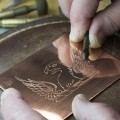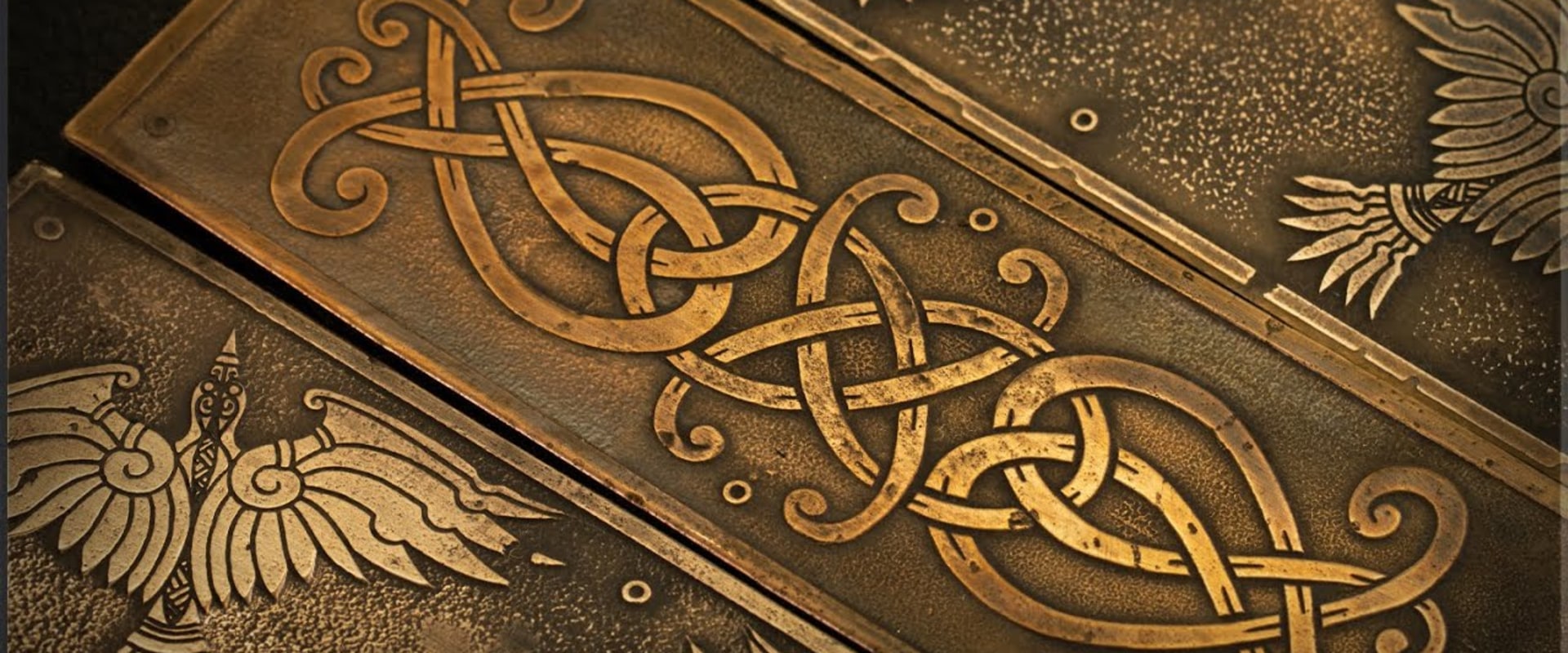
Chemical etching process is a captivating technique that has revolutionized the way we create intricate designs and engravings on various materials. From delicate jewelry to robust industrial components, this method offers unparalleled precision and versatility. But what exactly is the chemical etching process? How does it differ from traditional engraving methods? These questions are essential for anyone interested in the art of engraving, whether you are a seasoned professional or a curious novice. The chemical etching process utilizes chemical solutions to selectively remove material from a substrate, allowing for the creation of detailed patterns and designs. Unlike mechanical engraving, which relies on physical tools to carve out designs, this process harnesses the power of chemistry to achieve results that are often more intricate and consistent.
This innovative approach not only enhances the aesthetic appeal of engraved items but also improves their functionality in various applications. In this article, we will explore the nuances of the chemical etching process, diving into its history, techniques, and applications. Whether you're looking to enhance your understanding of engraving methods or seeking inspiration for your next project, our in-depth exploration promises to shed light on this fascinating topic. So, join us as we embark on a journey through the world of chemical etching and discover how it can elevate your engraving skills to new heights!The chemical etching process is a fascinating technique that utilizes chemical reactions to create designs or patterns on various materials. This method is particularly significant in the engraving world because it allows for high precision and the ability to work with intricate designs that may be difficult to achieve with traditional engraving techniques. is a fascinating technique that utilizes chemical reactions to create designs or patterns on various materials. This method is particularly significant in the engraving world because it allows for high precision and the ability to work with intricate designs that may be difficult to achieve with traditional engraving techniques.
Unlike conventional methods, which may rely on physical tools or lasers, chemical etching employs a unique approach that combines chemistry and artistry. The process begins with surface preparation, which is crucial for achieving optimal results. The material, whether it be metal such as copper or brass, or plastic, must be thoroughly cleaned to remove any contaminants that could interfere with the etching process. This cleaning often involves using solvents or abrasives to ensure the surface is smooth and free of oils and dirt. Once the surface is prepared, the next step involves applying a photoresist material. This substance acts as a protective layer over areas of the material that are not intended to be etched.
The photoresist can be applied through various methods, including spraying or rolling it onto the surface. After application, a design is transferred onto the photoresist using a UV light exposure process. This step is critical because it defines the areas that will eventually be etched away. After exposing the photoresist, the material is developed, which involves washing away the unexposed areas of the photoresist. This reveals the bare surface of the material beneath it, ready for etching.
The next phase involves applying an etching solution, typically an acid or alkaline solution that reacts with the exposed areas of the material. For metals like copper and brass, ferric chloride is commonly used as an etchant. The duration of exposure to the etching solution depends on the desired depth and detail of the engraving. Once the etching process is complete, the final cleaning step removes any residual chemicals and unneeded photoresist. This leaves behind a beautifully etched design that showcases intricate details and sharp lines.
Chemical etching is versatile and can be used on various materials including metals like copper and brass, as well as plastics such as acrylics and polycarbonate.
Each material offers unique properties; for instance, metals provide durability while plastics allow for vibrant color applications post-etching. When comparing chemical etching with other engraving techniques such as laser engraving and traditional hand engraving, several pros and cons emerge. While laser engraving offers speed and precision without needing chemical solutions, it may struggle with thicker materials compared to chemical etching. Traditional hand engraving allows for a personal touch but requires significant skill and time investment. In contrast, chemical etching combines precision with efficiency, making it suitable for both large production runs and detailed artistic work. The practical applications of chemical etching span various industries.
In electronics, for example, it is used to create intricate circuit boards where precise patterns are essential. In signage, chemical etching can produce durable and visually appealing signs that withstand weather conditions while maintaining readability. Additionally, artists often utilize this technique to craft unique pieces that showcase their creativity. For beginners interested in starting with chemical etching, there are essential tips to keep in mind. Safety precautions are paramount; working with chemicals requires protective gear including gloves, goggles, and masks to avoid harmful exposure.
It’s also advisable to work in well-ventilated areas or under a fume hood when handling etching solutions. Regarding tools, investing in a quality photoresist application system and reliable etching supplies will greatly enhance results. Finally, for those looking to explore complex designs or larger projects, considering custom engraving services can be beneficial. These services often have advanced technology and expertise that can bring even the most intricate designs to life while ensuring high-quality results. In summary, understanding the It’s also advisable to work in well-ventilated areas or under a fume hood when handling etching solutions. Regarding tools, investing in a quality photoresist application system and reliable etching supplies will greatly enhance results. Finally, for those looking to explore complex designs or larger projects, considering custom engraving services can be beneficial. These services often have advanced technology and expertise that can bring even the most intricate designs to life while ensuring high-quality results. In summary, understanding the chemical etching process opens up new avenues for both DIY enthusiasts and professional engravers alike. With its precision and versatility across materials, this method holds a significant place in modern engraving techniques.
Getting Started with Chemical Etching
For those interested in exploring the chemical etching process, it’s essential to begin with a solid foundation.This technique involves using acidic solutions to remove material from a surface, creating intricate designs or engravings. Before diving in, beginners should familiarize themselves with the necessary tools and materials. First and foremost, you will need a few key items: a suitable metal or material to etch, an etching solution (like ferric chloride for copper), a resist (such as vinyl or photoresist), and safety gear including gloves and goggles. The resist is crucial as it protects areas of the material that you do not want to etch. Preparation is vital. Ensure that your working area is well-ventilated and free from any potential hazards.
It’s advisable to work on a non-porous surface and have all your materials organized before starting. Always read the safety data sheets for the chemicals you’re using to understand their properties and risks. When applying the resist, make sure to follow the instructions carefully. The resist should be applied evenly to avoid uneven etching. After preparing your design, you can expose it using UV light if you're working with photoresist, or manually cut it out if using vinyl. Once the design is set, immerse the piece in the etching solution for the recommended duration, checking periodically to achieve the desired depth.
After etching, rinse the piece thoroughly to stop the chemical reaction. Finally, remove the resist to reveal your finished engraving. Remember, practice makes perfect. Start with simple designs and gradually work your way up to more complex patterns as you gain confidence in your skills with the chemical etching process.
Materials Suitable for Chemical Etching
The chemical etching process is highly versatile and can be applied to a variety of materials, making it a popular choice in the engraving industry. Understanding which materials are suitable for this technique is crucial for achieving the best results.Metals
are among the most commonly etched materials.Metals such as copper, brass, aluminum, and stainless steel respond well to chemical etching due to their ability to resist corrosive solutions while allowing for fine detail work. This makes them ideal for creating intricate designs and patterns. Another group of materials that can be effectively used in chemical etching are plastics. Various types of plastics, including acrylic and polycarbonate, can be etched using chemical methods. This is particularly useful for creating signage, decorative items, or components in electronic devices.
Glass
is also suitable for chemical etching, allowing artists and manufacturers to create detailed designs on glass surfaces.The process results in a frosted appearance that enhances the aesthetic appeal of glassware or decorative panels. Moreover, ceramics can be etched using chemical methods, enabling the creation of unique patterns on tiles and pottery. This technique provides an opportunity to combine artistry with functionality. In summary, the chemical etching process can be effectively applied to metals, plastics, glass, and ceramics. Each material offers distinct advantages that cater to various engraving needs, making this technique a valuable addition to both DIY projects and professional applications.
Practical Applications of Chemical Etching
The chemical etching process is widely utilized across various industries due to its versatility and precision. This method allows for detailed designs to be transferred onto a range of materials, making it ideal for applications in sectors such as electronics, automotive, and decorative arts. In the electronics industry, chemical etching is crucial for producing intricate circuit boards.By using this process, manufacturers can create fine patterns that are essential for modern electronic devices. The precision of chemical etching ensures that components can be closely packed together, maximizing space and efficiency. The automotive sector also benefits from chemical etching, particularly in the production of parts that require precise specifications. Components such as badges, trim pieces, and other decorative elements are often created using this technique, as it allows for high-quality finishes and intricate designs. Moreover, in the realm of decorative arts, chemical etching is employed to create beautiful engravings on various surfaces. Artists and craftspeople use this technique to apply detailed images or text onto materials like glass, metal, and plastic.
The ability to achieve fine detail with chemical etching makes it a favored choice for personalized items and unique art pieces. Additionally, the medical industry utilizes chemical etching for manufacturing precise components used in medical devices. This process ensures that parts such as surgical instruments are not only accurately shaped but also meet stringent safety standards. Overall, the chemical etching process is integral to multiple industries, providing a reliable method for creating high-quality products with intricate designs and specifications.
The Chemical Etching Process Explained
Chemical etching is a precise and intricate process that involves several steps to achieve detailed engravings on various materials. Understanding each stage is essential for both DIY enthusiasts and professional engravers who seek to master this technique. First, the process begins with material selection. Common materials suitable for chemical etching include metals like copper, brass, and stainless steel, as well as some plastics.The choice of material can affect the final outcome of the engraving. Next, a layer is applied to the surface of the material. This layer acts as a protective coating that will determine the areas to be etched. The photoresist is typically a light-sensitive polymer that hardens when exposed to UV light. After applying the photoresist, the material is subjected to exposure under a UV light source. This step involves placing a film or mask over the photoresist, allowing only specific areas to be exposed to light.
The unexposed areas will remain soft and can be washed away later, revealing the bare material underneath. Following exposure, a process occurs where the unexposed photoresist is washed away using a developer solution. This step reveals the pattern that will be etched into the material. Once the desired pattern is developed, the next step is . The material is immersed in an etching solution, usually containing acids or other corrosive chemicals that remove the exposed areas of the material. This stage requires precision, as the duration of immersion affects the depth and quality of the engraving. After etching, the material undergoes a phase to remove any residual chemicals from the surface.
This step is crucial to ensure that no unwanted etching occurs after the process is complete. The final step involves removing the remaining photoresist using a solvent, which leaves behind a clean and precisely engraved design. The end result showcases the advantages of chemical etching, such as its ability to create intricate designs with high accuracy. By understanding each step of the chemical etching process, engravers can appreciate its significance in achieving detailed and professional-quality engravings across various materials.
Comparing Engraving Techniques
When exploring the world of engraving, it is essential to understand the various techniques available and how they compare.Chemical etching
stands out as a unique method that offers distinct advantages over both traditional and modern engraving techniques. Traditional engraving methods, such as hand engraving or rotary engraving, involve physically cutting into the material to create designs. These methods require a high level of skill and can be time-consuming.While they offer a tactile approach and can produce beautiful results, they often lack the precision that chemical etching provides. On the other hand, modern engraving techniques, such as laser engraving, utilize focused beams of light to engrave materials. Laser engraving is known for its speed and versatility, allowing for intricate designs on various surfaces. However, chemical etching holds its own in terms of precision and detail, especially for complex patterns that may be challenging for lasers to achieve consistently. One of the significant advantages of chemical etching is its ability to work with a wide range of materials, including metals, plastics, and glass. This versatility makes it an excellent choice for both DIY enthusiasts and professional engravers looking to expand their capabilities. Furthermore, the chemical etching process allows for deeper engravings with consistent depth across the design.
This results in high-quality finishes that can be difficult to replicate with traditional or laser methods. In summary, while each engraving technique has its merits, chemical etching offers a unique combination of precision, versatility, and quality that sets it apart from traditional and modern methods. Understanding these differences can help engravers choose the right technique for their specific needs. In conclusion, we have explored the Chemical Etching Process, highlighting its significance in the engraving world and its unique advantages over traditional and modern engraving methods. This technique not only offers precision but also accommodates a variety of materials, making it a versatile option for both DIY enthusiasts and professionals. By understanding how chemical etching differs from other engraving techniques, readers can appreciate its practical applications across various industries. Whether you are working on intricate designs or simple projects, this method opens up a world of possibilities. We encourage you to consider chemical etching for your next engraving project or to seek professional services for more complex designs.
Embrace this innovative technique and elevate your engraving skills!.