Hand engraving is a time-honored craft that marries artistry with precision, allowing artisans to transform ordinary surfaces into extraordinary works of art.
Techniques for precision in hand engraving
are not just methods; they are the very essence of what elevates a simple engraving into a masterpiece. In this article, we delve deep into the world of hand engraving, unveiling the secrets and skills that define this intricate art form. From the delicate strokes that create breathtaking designs to the meticulous attention to detail that ensures each piece is flawless, mastering these techniques is essential for any engraver aspiring to leave a mark in this field. Whether you are a beginner looking to explore this captivating craft or an experienced artisan seeking to refine your skills, understanding the nuances of precision techniques will empower you to enhance your work significantly. Join us as we explore various aspects of hand engraving, including the tools and materials required, fundamental techniques, and tips for achieving exceptional results.Discover how patience and practice can lead to stunning outcomes and how each engraved line tells a story of dedication and craftsmanship. With each section of our guide, you will gain valuable insights that will not only inspire your creativity but also elevate your ability to engrave with confidence and precision. Hand engraving is a time-honored craft that has captivated artisans and collectors alike for centuries. This meticulous art form allows for the creation of stunning designs and intricate details across a variety of materials, making it a versatile technique with applications in jewelry, art, and industrial design. The significance of precision in engraving cannot be overstated; it is the hallmark of quality work that elevates pieces from ordinary to extraordinary. Traditional hand engraving techniques are foundational to this art form, each offering unique methods for achieving precision and artistry. cannot be overstated; it is the hallmark of quality work that elevates pieces from ordinary to extraordinary. Traditional hand engraving techniques are foundational to this art form, each offering unique methods for achieving precision and artistry.
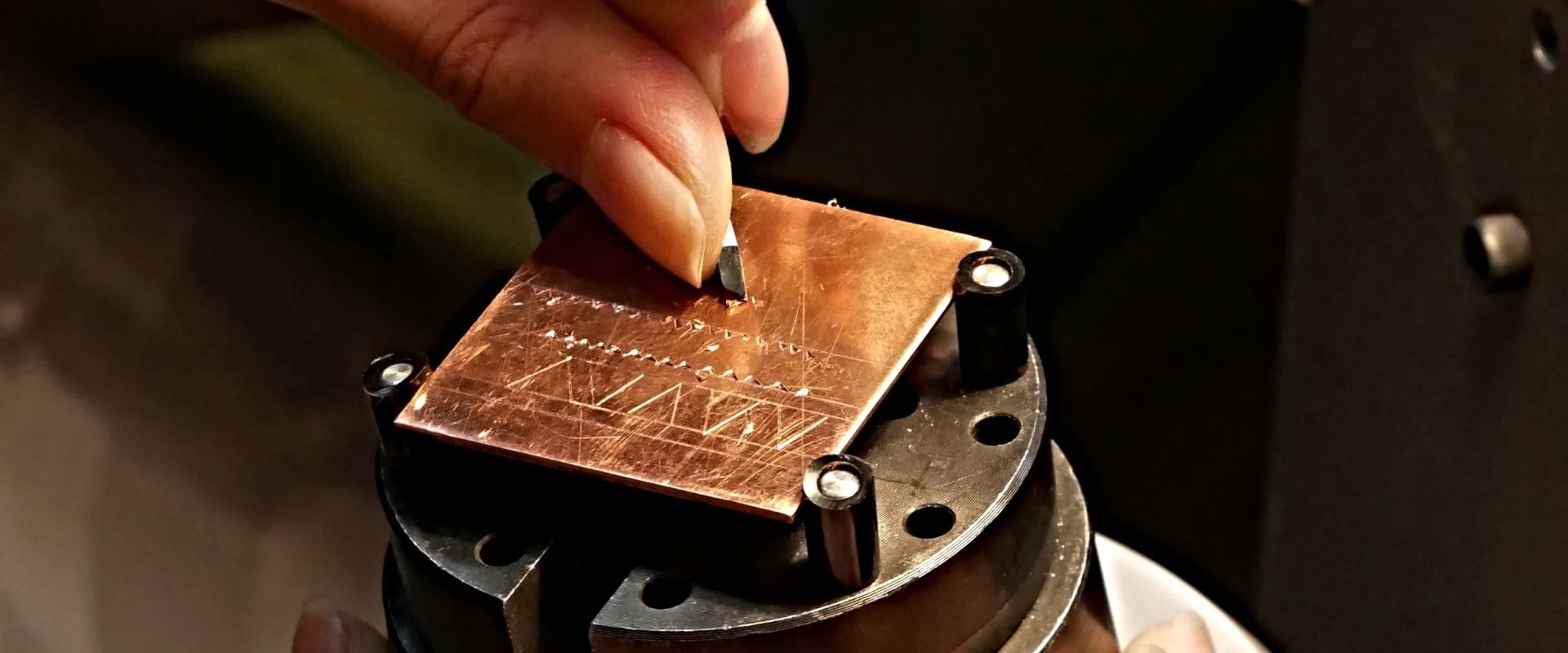
One of the most revered techniques is burin engraving, which involves using a burin, a specialized tool with a sharp, pointed end, to carve designs into the surface of the material. The angle and pressure applied by the engraver dictate the depth and clarity of the lines produced. This technique requires a steady hand and acute attention to detail, as even the slightest miscalculation can lead to undesirable results. Another popular method is stippling, where small dots or marks are made on the surface to create texture or shading. This technique allows for intricate patterns and gradients that can enhance the overall aesthetic of the piece.
Stippling can be accomplished using various tools, including gravers and specialized stippling tools that help ensure precision in dot placement.
Intaglio
is yet another traditional engraving method, which involves cutting into a material to create an image or design that is recessed below the surface. This technique is often used in printmaking and can produce fine lines and detailed images that stand out when inked. The choice of tool is critical in intaglio, as different gravers can yield varying effects and levels of detail. As we transition into the modern era, technologies like laser engraving have emerged, providing a different approach to achieving precision. Unlike traditional hand methods, laser engraving utilizes focused beams of light to etch designs onto surfaces.This technology offers incredible accuracy and speed, allowing for complex patterns that would be time-consuming or challenging to replicate by hand. However, while laser engraving excels in precision and efficiency, it lacks the personal touch and craftsmanship that define hand engraving. The choice of material also plays a crucial role in the engraving process. Different materials such as metal, wood, and glass each present unique challenges and opportunities for design. For beginners, starting with softer materials like wood can be advantageous, as they are easier to work with and allow for mistakes without significant penalties.
As one gains confidence and skill, transitioning to harder materials like metal or glass can be rewarding but requires careful consideration of tool selection and technique. User experiences often highlight the journey of learning hand engraving. Many enthusiasts share stories of starting with simple designs and gradually progressing to more complex projects as they hone their skills. Testimonials reveal the satisfaction derived from creating personalized pieces that hold sentimental value for both the maker and the recipient. For instance, an amateur engraver might recount their first successful piece—a custom gift for a loved one—that sparked their passion for this intricate craft.
Whether it’s a monogram on a wedding gift or a bespoke piece of jewelry, custom engraving services play a vital role in crafting meaningful artifacts that resonate with personal significance. Design ideas often flow from client stories or special occasions, showcasing how engraving can immortalize memories through art. The applications of engraving are vast and varied. In jewelry design, precision is paramount; intricate engravings can transform a simple ring into a cherished heirloom. In fine art, engraving techniques contribute depth and texture to prints and illustrations, enhancing their visual impact. Whether it’s a monogram on a wedding gift or a bespoke piece of jewelry, custom engraving services play a vital role in crafting meaningful artifacts that resonate with personal significance. Design ideas often flow from client stories or special occasions, showcasing how engraving can immortalize memories through art. The applications of engraving are vast and varied. In jewelry design, precision is paramount; intricate engravings can transform a simple ring into a cherished heirloom. In fine art, engraving techniques contribute depth and texture to prints and illustrations, enhancing their visual impact.
In industrial contexts, precision engraving ensures that parts are accurately marked for identification or branding purposes. Mastering the art of hand engraving techniques requires dedication, practice, and an appreciation for both traditional methods and modern advancements. As artisans continue to explore new ways to achieve precision in their work, the legacy of hand engraving remains vibrant—a testament to human creativity and craftsmanship. In industrial contexts, precision engraving ensures that parts are accurately marked for identification or branding purposes. Mastering the art of hand engraving techniques requires dedication, practice, and an appreciation for both traditional methods and modern advancements. As artisans continue to explore new ways to achieve precision in their work, the legacy of hand engraving remains vibrant—a testament to human creativity and craftsmanship.
Modern Technologies in Engraving
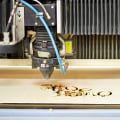
Laser engraving has revolutionized the field of engraving, offering precision and versatility that traditional methods cannot match. This technology utilizes a focused beam of light to remove material from the surface of various substrates, creating intricate designs with remarkable accuracy. One of the primary advantages of laser engraving is its ability to work on a wide range of materials, including wood, glass, metal, and plastics. Unlike traditional hand engraving, which often requires specific tools for different materials, laser engraving can adapt to various surfaces without the need for extensive tool changes. Additionally, the speed of laser engraving is a significant benefit.The process can be completed in a fraction of the time it takes to achieve similar results through hand engraving, making it an efficient option for both small-scale projects and mass production. However, it’s essential to recognize the differences between laser engraving and traditional methods. While laser engraving provides high-speed execution and consistent results, it lacks the personal touch and craftsmanship that comes from hand engraving. Each engraved piece created by hand holds a unique character that machines cannot replicate. In summary, laser engraving represents a modern approach to engraving that enhances precision and efficiency, but it complements rather than replaces the artistry of traditional hand engraving techniques. Engravers today can choose to blend both methods, leveraging technology while preserving the timeless beauty of handcrafted work.
Traditional Hand Engraving Techniques
Traditional hand engraving is an art form steeped in history, requiring both skill and patience.Among the most revered techniques are burin engraving and stippling, each offering unique results and applications. The burin engraving technique involves the use of a sharp, pointed tool known as a burin. This tool is meticulously pushed across the surface of the material, creating precise lines and intricate details. The angle at which the burin is held is crucial, as it determines the depth and width of each cut. This technique is often employed on metals, glass, and wood, allowing engravers to produce stunning designs that stand the test of time. On the other hand, stippling is a technique that uses a series of tiny dots to create shading and texture in an engraving.
Instead of carving lines, the engraver punctures the surface with a small tool, creating varying densities of dots. This method can produce a soft gradient effect, lending a three-dimensional quality to the piece. Stippling is particularly effective on softer materials like copper and can be combined with other techniques to enhance detail and depth. Both burin engraving and stippling highlight the precision required in hand engraving. Mastering these techniques allows artisans to bring their creative visions to life, ensuring that each piece they create is not only functional but also a work of art.
Choosing the Right Material
When it comes to hand engraving, the choice of material is crucial as it directly impacts the precision and overall outcome of the engraving process.Different materials offer unique characteristics and challenges that can significantly affect the final result.
Metals
such as brass, copper, and silver are popular choices for hand engravers due to their malleability and ability to hold fine details. Brass, in particular, is favored for its durability and resistance to tarnishing, making it ideal for items like jewelry and decorative pieces. When engraving on metal, using the right tools is essential. A sharp graver will allow for more control and finer details.Wood
is another excellent option for beginners.It is relatively easy to work with and forgiving of mistakes. Different types of wood can yield different results; softwoods like pine can be engraved quickly but may not hold details as well as hardwoods like oak or walnut. For a successful engraving on wood, it’s recommended to sand the surface smooth beforehand to ensure clean cuts.
Glass
adds an elegant touch to engraved items but poses a challenge due to its hardness. Diamond-tipped tools are often necessary for glass engraving, and a steady hand is essential to avoid chipping.Beginners should practice on scrap pieces before attempting a final project. Additionally, leather can be engraved to create personalized designs on wallets, belts, and other accessories. The texture of leather allows for unique impressions, though it requires specific tools designed for cutting into the material. For anyone starting in hand engraving, experimenting with various materials can provide valuable insights into how each one reacts during the engraving process. Each material not only dictates the techniques used but also influences the final aesthetic of the piece being created.
Custom Engraving Services
Custom engraving services provide a unique opportunity for individuals and businesses to create personalized pieces that reflect their identity, values, or special moments. Whether it’s a wedding gift, a corporate trophy, or a simple keepsake, these services allow for the transformation of ordinary items into cherished memories through the art of engraving. When approaching the design of personalized engravings, it’s essential to begin with a clear vision of what you want to convey.Consider the item you wish to engrave—different materials such as metal, wood, glass, or stone may require different techniques and styles. For instance, hand engraving on metal can produce intricate details that enhance the beauty of the piece, while softer materials like wood may lend themselves to more rustic designs. Once you have chosen your material, think about the message or image you want to include. This could be a name, date, logo, or even a meaningful quote. The next step is to collaborate with an experienced engraver who can bring your vision to life.
Discuss your ideas in detail and be open to their suggestions on font styles, sizes, and placement to ensure that your design is both aesthetically pleasing and legible. It’s also worth considering the technique used in your custom engraving. While traditional hand engraving offers a timeless quality and artisanal touch, modern methods such as laser engraving can provide precision and versatility. Depending on your specific needs and budget, you may choose either method or even a combination of both for a truly unique result. In summary, custom engraving services are an exceptional way to celebrate personal milestones or corporate achievements. By engaging in thoughtful design and collaborating with skilled artisans, you can create bespoke pieces that are not only beautiful but also hold significant emotional value.
Applications of Engraving
Hand engraving is a versatile art form that finds its place in a myriad of industries, showcasing not only the skill of the engraver but also the beauty and functionality that can be achieved through precise craftsmanship. One of the most popular applications of hand engraving is in jewelry making.Engravers often adorn rings, bracelets, and pendants with intricate designs or personal messages, adding a unique touch that resonates with the wearer. The ability to customize pieces through engraving makes jewelry not just an accessory but a cherished keepsake. In addition to jewelry, hand engraving plays a significant role in the creation of awards and trophies. The precision involved in engraving names and achievements on plaques or glass awards elevates the value of these items, creating lasting memories for recipients. The industrial sector also benefits greatly from engraving techniques. Engraving is utilized in manufacturing processes for creating precise measurements and markings on tools and machinery.
This not only enhances functionality but also ensures safety by providing essential information directly on equipment. Another fascinating application can be found in artistic engraving, where artists use hand engraving to create stunning prints and illustrations. This traditional method allows for a tactile quality and depth that digital methods often cannot replicate, appealing to collectors and art enthusiasts alike. Moreover, hand engraving is also seen in the realm of firearms and knives, where custom engravings add both aesthetic appeal and personalization. Collectors often seek out uniquely engraved pieces, which can significantly increase their value. In summary, the applications of hand engraving span across various fields, each benefiting from the artistry and precision it offers. Whether in fashion, awards, industry, or fine art, the significance of engraving continues to flourish as both a functional tool and an exquisite form of expression. In conclusion, mastering both traditional and modern engraving techniques is essential for achieving the highest levels of precision in hand engraving.
Each technique offers unique advantages that can enhance your artistry and refine your skills. By understanding the nuances of these methods, you can elevate your work and create stunning pieces that resonate with your audience. We encourage you to explore your creativity through practice and experimentation. The more you engrave, the more you will discover your unique style and preferences. Don’t hesitate to try new materials or combine different techniques to see what works best for you. Additionally, there are numerous resources and communities available where you can connect with other engravers.
Consider joining forums, attending workshops, or participating in online groups dedicated to engraving. Engaging with fellow artists can provide inspiration, feedback, and support as you continue your journey in mastering the art of hand engraving.