In a world dominated by digital technology and mass production, the art of hand engraving stands as a testament to the beauty of craftsmanship and individuality. This ancient technique, steeped in history, offers not only an avenue for artistic expression but also a means of creating personalized items that resonate with significance and character. Whether it's transforming a simple piece of metal into a stunning work of art or adding a unique touch to jewelry, hand engraving captivates both artisans and enthusiasts alike. As we delve into the basics of hand engraving, we will explore the tools, techniques, and skills required to master this intricate craft. From understanding the different types of engraving tools to learning how to control your strokes for precision and detail, this article serves as your guide to uncovering the nuances of this timeless skill. , we will explore the tools, techniques, and skills required to master this intricate craft. From understanding the different types of engraving tools to learning how to control your strokes for precision and detail, this article serves as your guide to uncovering the nuances of this timeless skill.
Join us on this journey as we illuminate the fascinating world of hand engraving, where every line etched tells a story and every piece created is a reflection of the artist's vision. Hand engraving is a traditional art form that has captivated artisans and enthusiasts alike for centuries. This intricate craft combines skill and creativity, allowing engravers to transform ordinary materials into exquisite pieces of art. Among the various techniques employed in hand engraving, three prominent methods stand out: stippling, bright cutting, and line engraving. Each technique offers unique effects and results, making them essential for any aspiring engraver to master.
Stippling
involves creating a textured surface by making a series of small dots or marks on the material.This technique can produce shading and depth, giving the engraving a three-dimensional appearance. It is often used to add intricate details to designs, enhancing the overall aesthetic of the piece. Engravers typically use a specialized tool called a graver for stippling, allowing for precision and control as they create the desired texture.
Bright cutting
, on the other hand, is characterized by its smooth, shiny lines and is often used to create bold designs or ornate patterns. This technique involves cutting into the surface at an angle to produce reflective edges, which can dramatically enhance the visual appeal of the engraving.The results can be striking, especially when applied to jewelry or decorative items where light plays a significant role in showcasing the craftsmanship.
Line engraving
is perhaps the most traditional form of hand engraving, where continuous lines are carved into the surface of the material. This method is ideal for creating detailed images and intricate designs. Line engraving requires great precision and practice, as even the slightest miscalculation can impact the final outcome. Engravers often employ a burin, a tool specifically designed for this technique, which allows for smooth and controlled movements along the material. Essential tools play a crucial role in achieving high-quality engravings.Gravers come in various shapes and sizes, each designed for specific types of cuts and effects. A burin, known for its sharp point and flat edge, is indispensable for line engraving, while other gravers may be better suited for stippling or bright cutting. Additionally, many engravers utilize magnifying glasses to enhance their vision during detailed work, ensuring accuracy and precision throughout the process. As technology advances, modern techniques such as laser engraving have emerged as complementary methods to traditional hand engraving. While hand engraving relies on manual skill and artistic expression, laser engraving utilizes focused beams of light to etch designs onto various materials.
This method offers speed and precision but lacks the personal touch and unique characteristics that hand engraving provides. Understanding these differences can help individuals choose the right approach based on their project needs. The choice of material also significantly influences the hand engraving process. Common materials include metal and wood, each presenting unique challenges and benefits. Metal, often favored for its durability, allows for fine detail work but requires specific tools and techniques to avoid damaging the surface.
On the other hand, wood can be more forgiving and easier to manipulate; however, it may present challenges such as grain direction and softness that must be considered during engraving. The versatility of hand engraving is evident in its wide range of applications. Popular uses include jewelry, where personal touches can make items truly unique; personalized gifts that hold sentimental value; and decorative art pieces that showcase intricate designs. The ability to customize engravings means that individuals can create meaningful items that reflect their personality or commemorate special occasions. For beginners interested in exploring the world of hand engraving, common questions often revolve around where to start and how to practice techniques effectively. It is recommended to begin with basic tools and simple designs before progressing to more complex projects.
Resources such as online tutorials, instructional books, or local classes can provide valuable guidance for developing skills. Engaging with communities of engravers can also offer support and insight as one navigates the learning process. For those who may not wish to engage in engraving themselves but desire personalized items, many artisans offer custom engraving services. This option allows individuals to commission unique pieces without needing to learn the craft themselves. Whether seeking a one-of-a-kind gift or an addition to their collection, custom engraving provides an excellent solution for anyone looking to incorporate personal touches into their belongings. In conclusion, understanding the basics of hand engraving opens up a world of creative possibilities. Resources such as online tutorials, instructional books, or local classes can provide valuable guidance for developing skills. Engaging with communities of engravers can also offer support and insight as one navigates the learning process. For those who may not wish to engage in engraving themselves but desire personalized items, many artisans offer custom engraving services. This option allows individuals to commission unique pieces without needing to learn the craft themselves. Whether seeking a one-of-a-kind gift or an addition to their collection, custom engraving provides an excellent solution for anyone looking to incorporate personal touches into their belongings. In conclusion, understanding the basics of hand engraving opens up a world of creative possibilities.
By mastering various techniques like stippling, bright cutting, and line engraving while utilizing essential tools and considering modern technologies, anyone can appreciate or pursue this beautiful art form.
Hand engraving
is a time-honored art form that requires both precision and creativity. Its techniques have evolved over centuries, yet the core principles remain rooted in tradition. Various methods are utilized by artisans to create intricate designs, and among the most notable are stippling, bright cutting, and line engraving. Each technique offers a unique aesthetic and application that can elevate any engraved piece.Stippling
involves creating a series of small dots or marks on the surface of the material.This technique is particularly effective for shading and adding depth to an engraving. By varying the density and distribution of the dots, engravers can produce stunning gradients that give a three-dimensional quality to their work.
Bright cutting
, on the other hand, focuses on creating bold, shiny lines by removing a thin layer of material. This is accomplished using a graver at a specific angle, resulting in a reflective surface that catches the light beautifully.Finally, line engraving is one of the oldest techniques, where lines are carved into the material to create images or text. This method is characterized by its detail and precision, making it ideal for intricate designs. The tools used in hand engraving are essential for achieving desired effects. One of the primary tools is the graver, a specialized tool with a sharpened end that allows for precise cuts. Different shapes of gravers can produce various line widths and styles, making them versatile for different techniques.
Another important tool is the burin, which is similar to a graver but typically used in more detailed work. For engravers who require close attention to detail, a magnifying glass becomes indispensable, allowing them to see minute details and ensure accuracy in their designs. As technology progresses, modern methods like laser engraving have emerged, offering distinct advantages over traditional hand techniques. Laser engraving utilizes focused laser beams to etch designs onto various materials quickly and efficiently. While this method allows for high precision and speed, it lacks the personal touch and depth that can be achieved through hand engraving.
Many artisans find that combining both techniques can yield exceptional results, with hand engraving providing a unique character that laser methods cannot replicate. The choice of materials in hand engraving is crucial, as different substances present unique challenges and benefits. Common materials include metal, such as brass or silver, which offer durability and a classic look when engraved. Engraving on metal often requires specific tools and techniques to manage its hardness while achieving clean lines. Conversely, wood is another popular medium for engraving.
It allows for deep cuts and intricate designs but can be challenging due to its grain patterns and potential for splintering. Each material demands an understanding of how it interacts with engraving tools to produce quality results. The versatility of hand engraving lends itself to numerous applications. From exquisite jewelry pieces adorned with personalized messages to custom gifts like engraved photo frames or awards, the possibilities are endless. Each item tells a story, making personalized engravings highly sought after for special occasions such as weddings or anniversaries. For those new to this art form, common beginner questions often revolve around how to start engraving.
It is advisable to begin with basic tools and practice simple techniques before tackling more complex projects. Many resources are available online, including tutorials and forums where aspiring engravers can seek advice and share experiences. Additionally, enrolling in local classes or workshops can provide hands-on experience and guidance from seasoned professionals. If the idea of engraving seems daunting or time-consuming, many individuals opt for custom engraving services offered by skilled artisans. This option allows people to obtain personalized items without needing to learn the craft themselves while still enjoying the beauty and uniqueness that comes with hand-engraved pieces. In conclusion, hand engraving represents a fascinating blend of skill and artistry that continues to captivate enthusiasts worldwide.
By understanding various techniques, tools, materials, and applications, anyone interested in this traditional craft can embark on an enriching journey filled with creativity and expression.
Engraving Materials: Metal vs. Wood
When it comes to hand engraving, the choice of material plays a crucial role in determining the final outcome of the artwork. Two of the most popular materials used in hand engraving are metal and wood, each presenting unique challenges and opportunities for artists.Metal
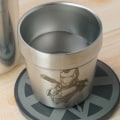
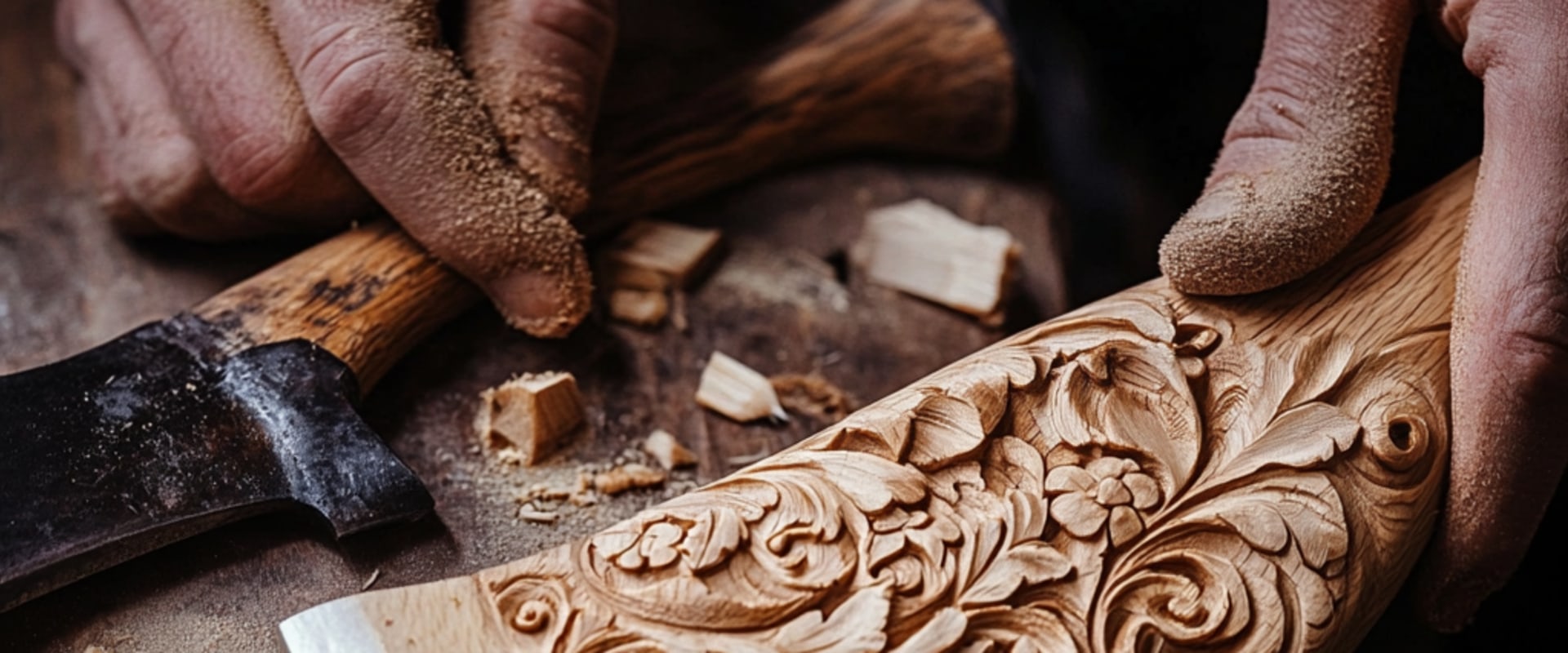
engraving is often associated with durability and precision. Engraving on metals like brass, copper, or stainless steel allows for intricate designs that can withstand the test of time.The hardness of these materials requires specialized tools such as gravers or burins, which can create fine details and textures. Additionally, metal engravings can be enhanced with techniques like shading or stippling, adding depth and dimension to the artwork. On the other hand, wood offers a contrasting experience for engravers. The natural grain and texture of wood can significantly influence the design process. Engraving on wood typically involves softer tools and can produce a warm, organic look that is often sought after in decorative pieces.
Different types of wood, such as oak or maple, respond differently to engraving techniques, making it essential for artists to understand the properties of each type. Moreover, wood engravings can be easily stained or painted after engraving, providing additional creative possibilities. In summary, whether choosing Different types of wood, such as oak or maple, respond differently to engraving techniques, making it essential for artists to understand the properties of each type. Moreover, wood engravings can be easily stained or painted after engraving, providing additional creative possibilities. In summary, whether choosing metal or wood, understanding the properties of these materials is essential for anyone interested in hand engraving. Each material offers its distinct set of characteristics that can influence the overall aesthetic and technical approach to a project.
Applications of Hand Engraving
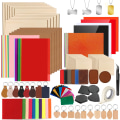
Hand engraving has a rich history and serves diverse applications across various industries. This traditional art form not only showcases the skill and creativity of the engraver but also adds a unique touch to products, enhancing their value and aesthetic appeal. In the jewelry industry, hand engraving is employed to create intricate designs on rings, necklaces, and bracelets.Jewelers use this technique to personalize pieces with initials, dates, or custom motifs, making each item unique and meaningful to the wearer. The trophy and awards sector also benefits from hand engraving, as it allows for personalized inscriptions on plaques, medals, and trophies. This adds a sentimental value to awards, celebrating achievements in a way that mass-produced items cannot. Moreover, in the realm of home decor, hand engraving is used to embellish items such as glassware, wooden furniture, and metal accessories. This technique transforms ordinary objects into bespoke art pieces, appealing to those who appreciate craftsmanship and individuality. Additionally, hand engraving finds its place in the industrial sector, where it is used for marking tools, equipment, and components. This ensures traceability and enhances branding efforts while maintaining a high level of precision. Finally, in the world of art, many artists utilize hand engraving to create stunning visuals on various materials.
This technique allows for deep expression and intricate detailing that can elevate an artwork's impact. Overall, the applications of hand engraving are vast and varied, showcasing its timeless appeal across different fields and industries. As interest in this craft continues to grow, so too does the recognition of its significance in both traditional and contemporary contexts.
Getting Started with Hand Engraving
Hand engraving is a meticulous craft that requires patience, precision, and practice. For beginners eager to delve into this traditional art form, starting with the right tools is essential. Invest in a quality set of engraving tools, including various graver types like bulino, flat, and round gravers.Each tool serves a different purpose and will help you achieve various effects in your designs. Another important tip for beginners is to practice on softer materials, such as brass or copper, before moving on to harder metals. This allows you to get a feel for the tools and techniques without risking damage to more expensive materials. Additionally, familiarize yourself with basic engraving techniques, such as lining, cross-hatching, and shading. These foundational skills will enhance your understanding of depth and texture in your engravings. Furthermore, consider joining local workshops or online courses where you can learn from experienced engravers.
Engaging with a community can provide invaluable feedback and inspiration as you develop your skills. Lastly, don't forget the significance of patience in hand engraving; mastery takes time, but each project will bring you closer to becoming proficient in this beautiful art form.
Understanding Hand Engraving Techniques
Hand engraving is a meticulous art form that involves the use of specialized tools to carve designs into various materials, most commonly metals. Understanding the different techniques available is essential for anyone looking to master this traditional craft. One of the most fundamental techniques is line engraving, where a tool called a burin is used to cut lines into the surface. This technique allows for the creation of intricate patterns and detailed images.For instance, artists can use line engraving to produce fine illustrations on jewelry or decorative pieces. Another popular method is dot engraving, which involves creating images or designs by making small dots on the surface. This technique can produce stunning textures and shading effects, making it a favorite among artists who want to add depth to their work. An example of dot engraving can be seen in the detailed patterns often found on firearms and high-end knives.
Graver engraving
is another technique worth mentioning, where different types of gravers, or chisels, are used to remove material and create designs. This technique allows for more control over the depth and width of cuts, enabling engravers to create both bold and delicate designs.Gravering is often used in sign-making, where precision is crucial. The scrimshaw technique, originally used by sailors to create art on whale bone or ivory, involves incising images and then filling them with ink or pigment. Although it has historical roots, this technique has found modern applications in engraving on various materials. Finally, intaglio engraving involves incising an image into a surface that holds ink, allowing for printing. This method is widely used in creating banknotes and high-quality prints. Each of these techniques contributes uniquely to the overall artistry of hand engraving, making it a versatile and expressive medium.
Essential Tools for Hand Engraving
Hand engraving is a meticulous craft that requires not only skill but also the right tools to achieve precision and artistry.Below, we outline the essential tools needed for effective hand engraving, each serving a unique purpose in the engraving process.
Engraving Tools:
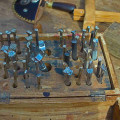
The primary tool for hand engraving is the engraving burin. This tool features a sharp, pointed tip that allows the engraver to carve intricate designs into various materials. Burins come in different shapes and sizes, enabling artists to create fine lines, deep grooves, or even delicate textures.Graver
: Similar to the burin, a graver is another essential tool used in hand engraving. It has a slightly different shape, often with a flat or rounded tip, which is ideal for creating broader strokes or shading effects.Engraving Block:
An engraving block provides a stable surface for the material being engraved.It can be made of wood or metal and is designed to hold the workpiece securely while allowing easy access from all angles.
Vise:
A vise is crucial for holding your engraving piece firmly in place. This tool ensures that your work does not shift while you are engraving, allowing for greater control and accuracy.Magnifying Glass:
As hand engraving often involves intricate details, a magnifying glass can be incredibly helpful. This tool allows engravers to see fine details more clearly, which is essential for achieving precision in their work.Sandpaper:
After completing an engraving project, sandpaper can be used to smooth out rough edges or imperfections on the engraved surface. Different grits of sandpaper can be utilized depending on the finish desired.Safety Gear:
Finally, it’s important to consider safety gear.Protective eyewear can prevent injuries from flying debris, while gloves may help protect your hands from cuts and abrasions during the engraving process. By familiarizing yourself with these essential tools for hand engraving, you will be better equipped to embark on your engraving journey, whether for personal enjoyment or professional endeavors.
Understanding Hand Engraving Techniques
Hand engraving is a meticulous craft that utilizes various techniques to create intricate designs on different materials. Each technique offers unique results, and understanding them is essential for anyone looking to master this art form. One of the most traditional techniques is line engraving, where the engraver uses a burin to cut fine lines into the surface. This method allows for precise control and can create detailed illustrations. For instance, artists often use line engraving to produce complex images or typography on metal plates.Gravure engraving
is another popular technique, commonly used in printmaking.In this process, an image is incised onto a metal surface, and the recessed areas hold ink when pressed onto paper. This technique is favored for its ability to reproduce detailed images and textures.
Stippling
involves creating images through a series of small dots, rather than lines. This technique can produce shading and depth by varying the density of the dots. Stippling is often used in conjunction with other methods to enhance the overall design. Another technique worth mentioning is chiaroscuro, which combines light and dark shading to give a three-dimensional effect.This style requires a deep understanding of light and shadow, making it a more advanced technique. Finally, scrimshaw, traditionally practiced by sailors on whale bone or ivory, involves carving intricate images and designs. While often associated with nautical themes, modern scrimshaw can include various subject matters and materials. Each of these hand engraving techniques requires practice and skill, but they also provide an opportunity for personal expression and creativity in the world of engraving.
Engraving Materials: Metal vs. Wood
When it comes to hand engraving, the choice of material significantly influences the techniques employed and the final outcome of the artwork. Two of the most common materials used in engraving are metal and wood, each presenting unique characteristics and challenges.Metal
engraving is often associated with precision and durability.Metals such as brass, copper, and stainless steel are popular choices due to their ability to withstand wear and tear. The engraving process on metal typically involves the use of specialized tools, such as gravers or burins, which allow for intricate designs and fine details. Metal surfaces can also be polished to a high shine, enhancing the visual appeal of the engraved artwork. However, engraving on metal requires a steady hand and considerable skill, as mistakes can be difficult to correct. On the other hand, wood offers a different set of advantages and challenges.
Engraving on wood is often more forgiving than metal, allowing for easier corrections if an error occurs during the process. Different types of wood can produce varied results; for instance, softer woods like pine are easier to carve but may not hold fine details as well as harder woods like maple or cherry. The natural grain of wood adds an organic element to engravings, making each piece unique. However, the texture of the wood can influence how deep or shallow the engravings appear, requiring the artist to adjust their techniques accordingly. Ultimately, the choice between metal and wood for hand engraving depends on the desired outcome and the artist's personal preference.
Each material presents its own set of opportunities for creativity and expression, making both options valuable in the realm of hand engraving.
Applications of Hand Engraving
Hand engraving is a versatile art form that finds applications across a wide range of industries. Its unique ability to create intricate designs and personalize items makes it a valuable technique in various fields. One of the most prominent uses of hand engraving is in the jewelry industry. Engravers skillfully adorn rings, pendants, and bracelets with detailed patterns or meaningful inscriptions, adding a personal touch that resonates with customers. This art form allows for customization that mass-produced items simply cannot achieve. In addition to jewelry, hand engraving is extensively utilized in the creation of awards and trophies.Engraved plaques and medals are often awarded for achievements in sports, academics, and corporate settings. The meticulous craftsmanship involved in hand engraving these items elevates their significance, making them cherished keepsakes. Another significant application is found in the creation of customized gifts. From engraved picture frames to personalized knives, hand engraving adds an element of thoughtfulness and uniqueness to gift-giving. Individuals often seek out engravers to create one-of-a-kind pieces that celebrate special occasions or commemorate important milestones. The firearms industry also benefits from hand engraving, where skilled artisans engrave intricate designs on gun stocks and metal parts.
This not only enhances the aesthetic appeal of the firearms but also adds value to them as collectible items. Lastly, hand engraving plays a role in the world of fine art. Artists may incorporate engraving techniques into their work, creating stunning prints and illustrations that showcase their creativity and technical skill. This blending of traditional art with modern expression highlights the enduring relevance of hand engraving in contemporary art forms. In summary, hand engraving serves diverse applications across multiple industries, from jewelry and awards to personalized gifts and fine art. Its ability to combine artistry with functionality makes it an invaluable technique for anyone looking to create lasting impressions through their work.
Essential Tools for Hand Engraving
Hand engraving is an intricate art form that requires a precise set of tools to achieve the desired results.Understanding these tools is essential for anyone looking to delve into the world of engraving. Below are some of the essential tools needed for effective hand engraving:1.Graver: The graver is perhaps the most critical tool in hand engraving. It is a small, pointed tool made from hardened steel, designed to cut into metal surfaces. There are various types of gravers, including the flat graver, round graver, and square graver, each serving different purposes based on the design and depth of the engraving.
2.Engraving Block
: An engraving block provides a stable surface for your work.It is typically made from wood or metal and has a padded top to hold the item securely in place while you engrave. This stability is crucial for maintaining precision during the engraving process.
3.Hammer
: A small hammer is used to strike the graver, allowing it to make clean cuts into the material. The weight and size of the hammer can vary, but it should be comfortable to hold and wield with accuracy.4.Vise
: A vise is essential for securely holding your workpiece in place while you engrave. This tool allows for greater control and stability, ensuring that your hands are free to focus on the engraving itself.5.Magnifying Glass
: Precision is key in hand engraving, and a magnifying glass can help you see fine details more clearly.Some engravers use illuminated magnifiers to enhance visibility further, reducing eye strain during long engraving sessions.
6.Polishing Cloth
: After completing your engraving, a polishing cloth helps clean and finish your workpiece. This step enhances the final appearance of the engraved design, making it shine and stand out. Each of these tools plays a vital role in the hand engraving process, allowing artists to express their creativity while maintaining high standards of craftsmanship. Whether you are a hobbyist or considering professional work in engraving, familiarizing yourself with these tools will set you on the right path to mastering this timeless art form.Getting Started with Hand Engraving
Hand engraving is a captivating art form that requires patience and practice. For those interested in embarking on this journey, here are some essential tips to help you get started. First, invest in the right tools.A basic hand engraving kit typically includes a variety of gravers, which are specialized tools used for cutting into metal surfaces. Beginners should start with a few essential gravers, such as the flat graver, round graver, and bright cut graver, as these will cover most engraving styles. Next, practice on different materials. Start with softer metals like brass or copper, which are easier to work with than harder metals like stainless steel or gold. This will help you develop your technique without becoming discouraged by the challenges of tougher materials. Additionally, study the basics of design.
Good engraving starts with a solid design plan. Sketch out your ideas on paper before transferring them to your chosen material. Familiarize yourself with different styles of engraving, such as floral patterns, scrollwork, or lettering, to find what resonates with you. Another important aspect is to understand the importance of lighting. Proper lighting can significantly affect your ability to see the details of your work.
Set up a well-lit workspace that minimizes shadows and highlights your engraving area. Finally, be patient and persistent. Hand engraving is a skill that takes time to master. Set aside regular practice sessions to improve your hand-eye coordination and control. Don’t be discouraged by initial mistakes; each one is a step towards enhancing your skill. By following these tips, you will be well on your way to exploring the beautiful world of hand engraving. In conclusion, we have delved into the Basics of hand engraving, highlighting its rich history and the essential techniques that define this traditional art form.
We explored the various hand engraving techniques and the importance of selecting the right tools for hand engraving, as well as the differences between working with metal and wood. The applications of hand engraving are vast, allowing for creativity in both personal projects and professional endeavors. The resurgence of interest in hand engraving is evident, with many embracing both time-honored methods and modern innovations such as laser engraving. This blend of tradition and technology not only enhances the craft but also opens new avenues for creativity. We encourage readers to embark on their own engraving journey, whether through classes or by practicing at home. The art of hand engraving offers a unique opportunity to create personalized items that reflect individual style and craftsmanship.