In the world of artistry and craftsmanship, modern engraving stands out as a fascinating intersection of tradition and innovation. As technology advances and creative boundaries expand, artists are experimenting with new techniques and styles that redefine what engraving can be. Whether it's the intricate details of laser engravinglaser engraving or the bold statements made through hand engravinghand engraving, the options are as diverse as the artists themselves. This article delves into the realm of popular styles in modern engraving, exploring how contemporary artists are pushing the limits of this age-old technique. From minimalist designs that focus on precision to elaborate patterns that tell a story, modern engraving is not just about etching images onto surfaces; it is about conveying emotion and meaning through meticulous artistry. Join us as we explore various styles and trends in engraving, uncovering the techniques that are captivating audiences today.
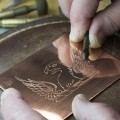
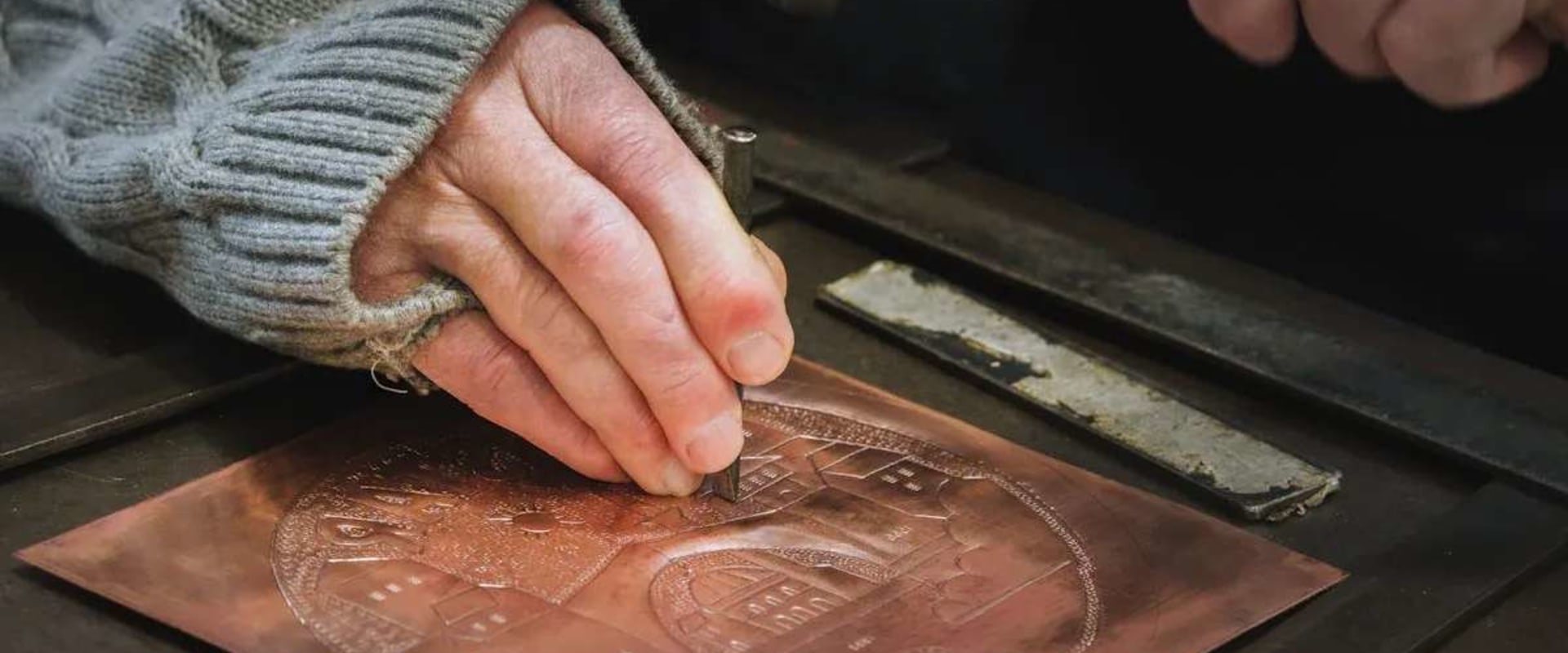
Whether you are an artist seeking inspiration or a fan of engraved art, this journey through modern engraving styles promises to inspire and ignite your creativity. Let’s dive into this vibrant world and discover how the past is influencing the future of engraving!Engraving has a rich history that dates back centuries, evolving from traditional methods to modern techniques that cater to diverse artistic and practical applications. Understanding the various engraving styles is essential for both enthusiasts and professionals who want to create unique pieces or personalize items effectively. Traditional engraving methods, such as hand engraving, have been practiced for generations. This method involves using a variety of tools, such as burins and gravers, to carve designs into surfaces by hand.
Hand engraving allows for intricate detail and a personal touch, making it ideal for jewelry, fine art, and decorative items. The advantage of hand engraving lies in its artistic versatility; however, it requires significant skill and time investment. Furthermore, it can be limited in terms of production speed and consistency. On the other hand, modern techniques like laser engraving have revolutionized the field. Laser engraving uses focused beams of light to etch designs into materials with precision.
The tools involved are advanced laser machines that can work on various surfaces like metal, wood, glass, and plastic. The primary advantage of laser engraving is its efficiency; it can produce complex designs quickly and consistently, making it suitable for mass production. However, it may lack the personal touch that hand engraving offers, which some consumers prefer. Engraving can be applied to a multitude of materials, each requiring different approaches and tools. For instance, when working with metal, both hand and laser engraving are popular.
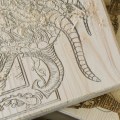
Hand engraving on metal often results in stunning jewelry pieces or custom awards, while laser engraving can create detailed designs on tools or industrial parts. In wood, both methods can produce beautiful artwork or personalized gifts like cutting boards and coasters. Engraving on glass is particularly favored for creating elegant trophies or commemorative items; laser engraving is often preferred due to its precision. Lastly, plastic is commonly engraved for promotional items or signage, benefiting from the speed of laser techniques. For those looking for design ideas, there are countless possibilities in both personal and professional realms.
Custom engraving services are available for consumers seeking to personalize gifts or items such as wedding rings, personalized plaques, or even custom phone cases. Businesses can utilize engraving to enhance their branding through logo engravings on products or awards for employees. Beginners interested in engraving should consider a few tips to help them choose the right technique and tools. Start by identifying the material you wish to work with; this will guide your choice of engraving method. If you prefer a traditional approach and have the time to develop your skills, hand engraving might be appealing.
If speed and precision are essential, investing in a laser engraver could be more beneficial. Additionally, familiarize yourself with basic terms such as 'depth of cut' in hand engraving or 'power settings' in laser engraving to better understand the process. Several popular products showcase these techniques effectively. Personalized jewelry remains a top choice in hand engraving, where initials or special dates are inscribed with care. In contrast, laser-engraved items like custom awards or photo frames have gained traction due to their sharp details and quick turnaround times. Lastly, it's important to address some common misconceptions about engraving.
Many people believe that all engraving must be done by hand; however, modern technology has expanded the possibilities significantly. Additionally, some might think that engraving is only suitable for high-end items—this is not true as many affordable options exist across various materials. Understanding these aspects can demystify the craft and inspire more individuals to explore the world of engraving.
Tips for Beginners
Starting your journey in engraving can be both exciting and overwhelming. To help you get started, here are some practical tips that every beginner should consider.Selecting the Right Tools
is crucial for achieving quality results.Invest in a basic set of engraving tools, which may include a hand engraver, various burins, and a rotary tool for more intricate designs. Research different brands and types to find tools that fit your budget and style. Once you have your tools, practicing Techniques is essential. Begin with simple designs and gradually work your way up to more complex projects. Practice on scrap materials to build confidence and refine your skills.
Consider following online tutorials or engaging in local workshops to learn from experienced engravers. Finally, don't underestimate the value of Finding Resources. There are countless books, online courses, and community forums dedicated to engraving. Joining a local engraving club or an online community can provide support, feedback, and inspiration as you develop your craft. By focusing on these key areas, beginners can lay a solid foundation in engraving that will lead to more advanced techniques and personal expression in their work.
Modern Technologies in Engraving
Modern technologies have significantly transformed the world of engraving, introducing precision and efficiency that were previously unattainable. Among these advancements, laser engraving and CNC machining stand out as key players in revolutionizing the industry.Laser engraving
utilizes focused laser beams to etch designs onto various materials, including wood, metal, glass, and plastic.This technology offers unparalleled accuracy, allowing for intricate designs to be created with minimal human intervention. Additionally, laser engraving is known for its versatility; it can be used for everything from creating personalized gifts to industrial applications. The speed at which laser engravers operate also means that production times are significantly reduced compared to traditional methods. On the other hand, CNC machining (Computer Numerical Control) employs computer software to control machine tools, enabling the precise cutting and shaping of materials. This technology allows engravers to produce complex three-dimensional designs with high levels of consistency.
CNC machines can work with a wide range of materials and are particularly favored in industries that require durability and robustness in their products. The integration of these modern technologies in engraving not only enhances the capabilities of artisans and manufacturers but also expands the possibilities for creative expression. As more enthusiasts and professionals embrace these tools, the future of engraving looks promising, combining tradition with innovation.
Traditional Engraving Techniques
Traditional engraving encompasses a variety of classic methods that have been utilized for centuries to create intricate designs and patterns on various materials. Among these, two prominent techniques stand out: hand engraving and etching.Hand engraving
is one of the oldest forms of engraving, where artisans use specialized tools called gravers to carve designs directly onto the surface of a material, typically metal. This method requires a high degree of skill and precision, as the engraver must control the depth and angle of each cut to achieve the desired effect.Hand engraving is known for its ability to produce detailed and personalized results, making it a popular choice for creating unique jewelry, decorative items, and custom gifts. On the other hand, etching is a technique that involves using acid to cut into the surface of a metal plate. The artist first covers the plate with a waxy ground and then draws their design into this layer. Once the design is complete, the plate is immersed in an acid bath, which etches away the exposed metal. This method allows for more complex and fine detail than hand engraving and is often used in printmaking to produce multiple copies of an artwork. Both hand engraving and etching have unique characteristics that make them suitable for different applications.
Hand engraving offers a tactile connection to the work being created, while etching provides the capability to reproduce designs in larger quantities. Understanding these traditional techniques is essential for both enthusiasts and professionals looking to explore the rich history of engraving and its relevance in modern applications.
Design Ideas and Applications
Engraving has evolved into a versatile art form that can be applied across various mediums, making it an excellent choice for both personal gifts and commercial products. Whether you are looking to create a unique item for a loved one or seeking to enhance your brand's offerings, design ideas in modern engraving can provide the inspiration you need. For personal gifts, consider custom engraving on items such as jewelry, glassware, or wooden keepsakes. Personalized engravings like names, significant dates, or heartfelt messages can transform ordinary objects into cherished mementos.For instance, a beautifully engraved pendant with a meaningful quote can serve as a touching gift for anniversaries or special occasions. In the realm of commercial products, businesses are increasingly adopting engraving techniques to add a personal touch to their offerings. Customized promotional items, such as engraved pens or corporate awards, can leave a lasting impression on clients and employees alike. Additionally, many companies are now offering personalized home decor items, such as engraved cutting boards or wall art, appealing to consumers looking for unique additions to their living spaces. Moreover, the rise of online platforms that allow customers to design their own engraved products has made it easier than ever to explore modern engraving styles. This trend encourages creativity and innovation, enabling individuals to express their personalities through custom designs. In summary, whether it's for gifting or branding, the application of engraving can yield remarkable results.
The key lies in understanding the diverse styles and techniques available, allowing for the creation of stunning pieces that resonate with both the giver and recipient.
Materials Used in Engraving
Engraving is a versatile art form that can be applied to a variety of materials, each with unique properties that influence the engraving process. Understanding these materials is crucial for both enthusiasts and professionals looking to achieve the best results. The most commonly engraved materials include metal, wood, and glass.Metal
is one of the most popular choices for engraving due to its durability and aesthetic appeal. Common metals used in engraving include aluminum, brass, and stainless steel.Each metal has different properties; for instance, aluminum is lightweight and easy to engrave, while brass offers a classic look with its warm tones. The hardness of the metal also affects the engraving techniques used, with harder metals requiring more advanced tools and methods.
Wood
is another favored material in the engraving world, particularly for creating personalized items like gifts or home decor. Different types of wood, such as oak, cherry, and maple, provide varying levels of grain and texture that can enhance the engraved design. Softer woods are generally easier to engrave but may not hold intricate details as well as hardwoods.Additionally, the finish of the wood can impact how the engraving appears, with a polished surface providing a different effect compared to a rough one.
Glass
engraving has gained popularity for creating elegant and sophisticated designs, often seen in awards, decorative items, and personalized gifts. Engraving on glass requires specialized techniques such as sandblasting or laser engraving to ensure precision without breaking the material. The transparency of glass allows light to play beautifully with engravings, adding depth and dimension to the final piece. In conclusion, each material used in engraving presents its own set of characteristics that influence the overall outcome of the project. By understanding these materials—metal, wood, and glass—engravers can choose the right medium for their designs and techniques, ultimately enhancing their craftsmanship. In conclusion, this article has explored the rich history of engraving and its evolution into modern techniques, highlighting various traditional engraving techniques and the impact of modern technologies in engraving.We have discussed the diverse materials used in engraving, as well as unique design ideas and applications that showcase the versatility of this art form. For those just starting out, we provided essential tips for beginners to navigate their journey. The versatility of engraving styles is truly remarkable, offering endless possibilities for creativity and personalization. Whether you are an enthusiast or a professional, understanding these different styles can enhance your projects significantly. We encourage our readers to explore various engraving techniques and consider utilizing custom engraving services for their personalized items, allowing their visions to come to life. is truly remarkable, offering endless possibilities for creativity and personalization. Whether you are an enthusiast or a professional, understanding these different styles can enhance your projects significantly. We encourage our readers to explore various engraving techniques and consider utilizing custom engraving services for their personalized items, allowing their visions to come to life.