In the ever-evolving world of laser engraving, precision and detail are paramount. Whether you are a seasoned engraver or just stepping into this fascinating field, understanding the significance of these elements can greatly enhance your artistry and output. With advancements in technology, the capabilities of laser engraving machines have skyrocketed, allowing for intricate designs and flawless executions that were once unimaginable. Imagine being able to transform a simple piece of wood, metal, or glass into a masterpiece with stunning detail and accuracy. The ability to capture fine lines, delicate patterns, and minute textures is what sets top-notch engravings apart from the rest.
This article will delve deep into the various techniques and methods that contribute to achieving exceptional precision and detail in laser engraving.Join us as we explore the tools, settings, and best practices that can elevate your laser engraving projects. Whether you're looking to create personalized gifts, artistic pieces, or professional-grade products, understanding the intricacies of precision will empower you to achieve outstanding results. Let’s embark on this journey to uncover the secrets behind mastering precision and detail in laser engraving techniquesprecision and detail in laser engraving techniques.The evolution of engraving has transformed dramatically from traditional methods to modern laser technologies, ushering in a new era of precision and detail.
Precision and detail in laser engraving
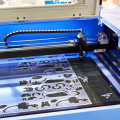
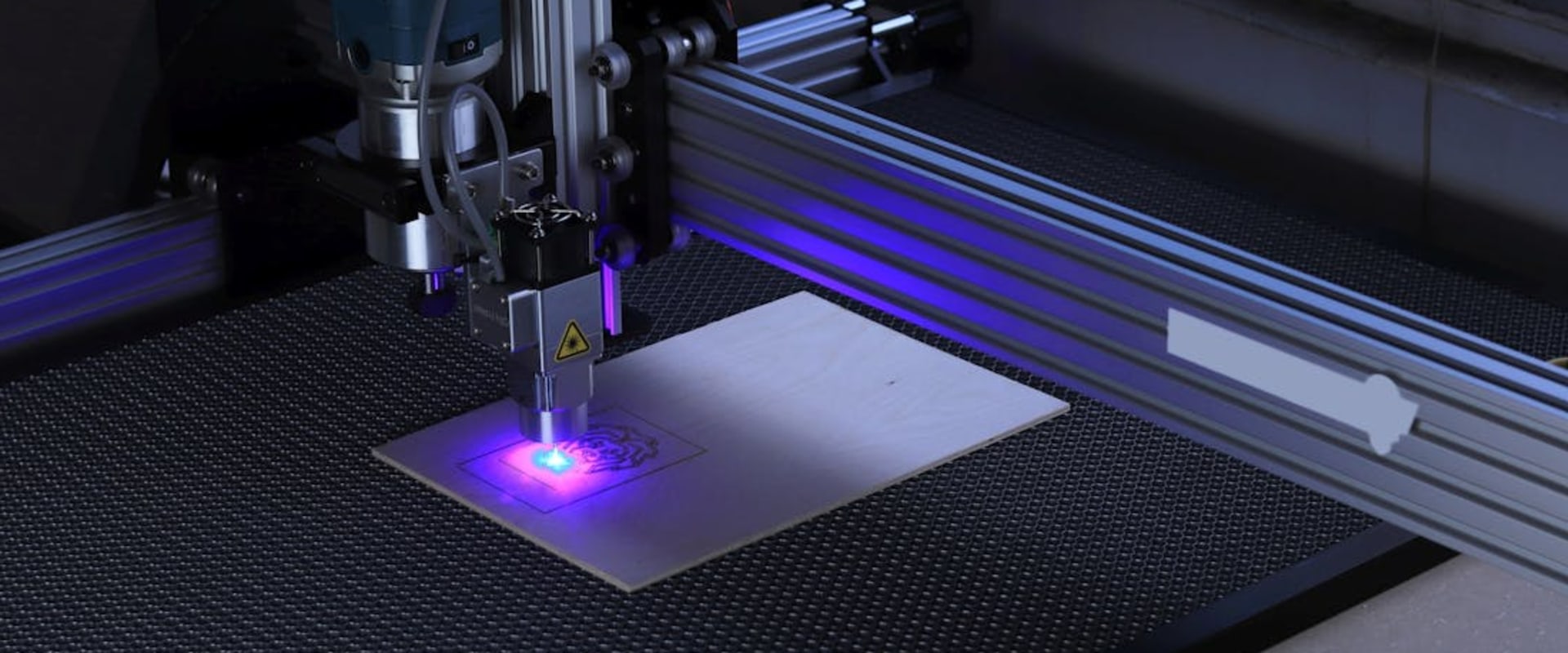
are paramount in achieving high-quality engravings that meet the expectations of both artisans and consumers.This is where laser engraving truly stands out, thanks to its remarkable accuracy and versatility. Laser engraving works by using focused beams of light to remove material from a surface, creating intricate designs with unparalleled precision. The technology typically involves two main types of lasers: CO2 lasers and fiber lasers. CO2 lasers are ideal for non-metal materials such as wood, acrylic, and glass, as they efficiently vaporize the surface, leaving a clean and detailed engraving. On the other hand, fiber lasers are suited for metals and some plastics, utilizing a different wavelength that allows them to engrave harder materials with great detail. One of the greatest advantages of laser engraving is its ability to work on a variety of materials.
For instance, wood can be engraved to reveal stunning contrasts between the engraved areas and the natural grain. Metal engravings can display fine details such as logos or serial numbers, making this technique essential in industries requiring precision identification. Glass engravings create elegant designs that enhance decorative pieces, while acrylic can be cut and engraved with intricate patterns that make it a favorite among artists and designers. When comparing laser engraving to traditional engraving methods such as hand engraving or rotary engraving, several key advantages stand out. First, the speed at which laser engravers operate significantly reduces production time.
While traditional methods often require extensive manual labor and time-consuming processes, laser engravers can execute complex designs in a fraction of the time. Additionally, the level of detail achievable with lasers is far superior; fine lines and intricate patterns that would be challenging to produce by hand become easily attainable with laser technology. Moreover, customization options in laser engraving are virtually limitless—designs can be easily altered or personalized without the need for new tools or templates. The applications of laser engraving are vast and varied across multiple industries. In jewelry making, for example, artisans use laser engraving to create personalized pieces that hold sentimental value for customers.
This technique allows for intricate designs on rings or pendants that elevate their uniqueness. Signage is another area where precision is crucial; businesses often utilize laser engraving for creating signs that are not only functional but also aesthetically pleasing. Furthermore, personalized gifts have seen a surge in popularity due to the ease of custom designs that laser engraving offers—items such as photo frames, trophies, and promotional items can be tailored to individual preferences. For those embarking on their journey into laser engraving, choosing the right equipment is essential for achieving desired results. Beginners should consider investing in a reliable entry-level laser engraver that suits their budget while providing adequate functionality for various projects.
Additionally, selecting appropriate software for design is crucial; many users find programs like Adobe Illustrator or CorelDRAW beneficial for creating detailed designs that can be directly imported into the engraving machine. Safety precautions should never be overlooked when operating laser engraving machines. Proper ventilation is necessary to dissipate fumes generated during the engraving process, especially when working with materials like acrylic and wood. Wearing appropriate safety gear such as goggles is imperative to protect against potential eye damage from stray laser beams. It is also advisable to familiarize oneself with the machine’s operational guidelines and safety features before commencing any projects. In conclusion, the integration of precision and detail in laser engraving has revolutionized the field of engraving, offering incredible possibilities across various applications while providing distinct advantages over traditional methods.
As more hobbyists and professionals embrace this technology, the future of engraving continues to evolve with creativity and innovation at its core.
Tips for Beginners in Laser Engraving
Getting started with laser engraving can be an exciting journey, but it’s essential to equip yourself with the right knowledge and tools to ensure success. Here are some practical tips for beginners. First, choosing the right equipment is crucial. Invest in a reliable laser engraver that suits your budget and project needs. Popular options include CO2 and fiber laser engravers, each offering different capabilities based on the materials you wish to engrave.Researching brands and reading user reviews can help you make an informed decision. Next, familiarize yourself with design software options. Programs like Adobe Illustrator, CorelDRAW, and Inkscape are commonly used for creating designs suitable for laser engraving. Many laser engraving machines come with their own software, but having a versatile design tool can expand your creative possibilities. Take time to learn the basics of these software tools through tutorials and practice. Additionally, understanding best practices is vital for achieving high-quality results.
Always test your designs on scrap materials before proceeding with your final project. This allows you to adjust settings such as speed, power, and frequency without wasting valuable materials. Pay attention to the settings that work best for different substrates, as each material requires specific adjustments for optimal engraving. Finally, don’t hesitate to join online communities or forums dedicated to laser engraving. Engaging with fellow enthusiasts can provide support, inspiration, and valuable tips as you navigate your new hobby or profession.
Applications of Laser Engraving
Laser engraving has revolutionized various industries by providing unmatched precision and detail in the creation of products.This technique is employed across a multitude of sectors, each benefiting from the unique capabilities of laser technology. In the manufacturing industry, laser engraving is commonly used for marking and engraving components. For instance, manufacturers can engrave serial numbers, barcodes, and logos on metal parts, ensuring durability and clarity that withstands harsh environments. This not only aids in traceability but also enhances brand recognition. The jewelry industry has also embraced laser engraving to create intricate designs and personalizations.
Jewelers can engrave names, dates, or even detailed images onto rings, bracelets, and pendants with a level of detail that traditional methods often cannot achieve. This customization is highly sought after by consumers looking for unique and meaningful pieces. In the realm of promotional products, laser engraving is a favored method for creating custom items such as awards, trophies, and corporate gifts. The ability to engrave logos or messages with precision allows businesses to effectively promote their brand while providing clients with high-quality products. The textile industry is another area where laser engraving shines. Fabrics can be engraved to create unique patterns or designs, offering a fresh take on fashion and home decor.
This method allows designers to experiment with textures and visuals that would be challenging to achieve through traditional textile printing. Furthermore, the aerospace and automotive sectors utilize laser engraving for various applications, including marking parts for identification and safety purposes. The precision of laser technology ensures that markings are clear and permanent, which is critical in these highly regulated industries. Overall, the versatility of laser engraving makes it an essential tool in modern manufacturing and design across multiple sectors, providing innovative solutions that cater to both functional and aesthetic needs.
Comparing Traditional vs. Modern Engraving Techniques
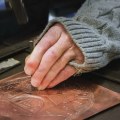
Traditional engraving methods, such as hand engraving and etching, have been used for centuries to create intricate designs on various materials. These techniques often require a high level of skill and artistic talent, as the engraver must manually carve or etch the desired image.While traditional methods can produce beautiful results, they are inherently limited by the precision that a human hand can achieve. In contrast, laser engraving utilizes advanced technology to achieve a level of precision that is difficult, if not impossible, to replicate by hand. Laser engravers can create incredibly detailed designs with unparalleled accuracy, allowing for the reproduction of intricate patterns and images with exacting detail. The use of lasers also enables engravers to work with a variety of materials, from wood to metal to glass, expanding the possibilities for customization. When it comes to time efficiency, laser engraving significantly outpaces traditional methods. A project that might take hours or even days using traditional techniques can often be completed in a fraction of the time with laser technology.
This efficiency not only speeds up production but also allows for quick turnaround times on custom orders, making it an attractive option for both hobbyists and professionals. Additionally, customization is another area where laser engraving shines. With traditional methods, creating a one-of-a-kind piece often involves extensive manual labor and can be cost-prohibitive. Laser engraving, however, allows for easy adjustments to designs and the ability to create highly personalized engravings at a lower cost. This adaptability has contributed to the growing popularity of laser engraving services among those looking to create unique gifts or bespoke items.
Materials Suitable for Laser Engraving
When it comes to laser engraving, the choice of materials plays a crucial role in achieving the desired results.Different materials interact uniquely with the laser, allowing for a variety of effects that can enhance the final product. Here’s a list of materials that work exceptionally well with laser engraving, along with the effects that can be achieved on each:Wood: One of the most popular choices for laser engraving, wood can produce stunning results. The laser burns the surface, creating a contrasting effect between the engraved and unengraved areas. Different types of wood yield varying shades and textures, allowing for artistic expression.
Acrylic:
This versatile material is known for its vibrant colors and smooth finish.Laser engraving on acrylic results in a frosted effect, which can be particularly striking when backlit. It’s commonly used for signs, awards, and decorative items.
Glass:
Engraving on glass provides a unique look, as the laser creates a permanent mark that appears frosted. This method is often used for personalized gifts, trophies, and awards, giving them an elegant touch.Metal:
Metals such as stainless steel, aluminum, and brass can also be engraved using lasers. The process typically removes the surface layer, resulting in a contrasting mark that’s durable and resistant to wear.This makes it ideal for industrial applications as well as personalized items.
Leather:
Laser engraving on leather allows for intricate designs and patterns. The heat from the laser can scorch the surface, leading to a rich contrast that highlights the details of the engraving. It’s commonly used for custom wallets, belts, and other accessories.Paper:
While more delicate than other materials, paper can still be laser engraved with precision. This technique is often utilized for creating intricate invitations or custom stationery that adds a personal touch. Each of these materials showcases the versatility and precision that laser engraving offers.By selecting the right material, engravers can create high-quality pieces that stand out for their detail and craftsmanship.
Understanding Laser Engraving Technology
Laser engraving is a sophisticated technique that employs focused laser beams to etch designs onto various materials. The process begins with a laser source, which generates a high-energy beam of light that is then directed through a series of mirrors and lenses to focus it onto the surface of the material being engraved. There are primarily three types of lasers used in engraving: CO2 lasers, fiber lasers, and diode lasers. Each type has its unique applications based on the materials being engraved and the desired outcomes.CO2 lasers
are among the most common types used in laser engraving. They emit a wavelength of light that is highly effective for engraving non-metal materials such as wood, acrylic, glass, and leather.The precision of CO2 lasers allows for intricate designs and fine details, making them ideal for customized products.
Fiber lasers
, on the other hand, are predominantly used for marking metals and some plastics. They produce a shorter wavelength that can penetrate metal surfaces efficiently, enabling high contrast engravings on items like jewelry and industrial tools. Their speed and efficiency make fiber lasers particularly popular in commercial applications.Diode lasers
are typically utilized for lighter tasks, including hobbyist projects and small-scale engraving operations. While they may not offer the same level of precision as CO2 or fiber lasers, they are cost-effective and suitable for beginners. The mechanics of laser engraving involve not only the type of laser used but also the engraving process.The focused laser beam interacts with the material, either vaporizing it or melting it away to create the desired design. This precision allows for a high degree of detail, which is often unattainable with traditional engraving methods. In summary, understanding the mechanics of laser engraving and the specific types of lasers available is crucial for achieving optimal results. The evolution of this technology has not only enhanced the precision and detail achievable in engravings but has also expanded its applications across various industries. In conclusion, precision and detail in laser engraving are paramount elements that set this technique apart from traditional methods. Throughout this article, we have highlighted how laser engraving technology not only enhances accuracy but also offers a level of versatility that is unmatched.
The ability to engrave on a wide variety of materials opens up countless possibilities for both personal and professional applications. As we have discussed, the evolution from conventional engraving methods to modern laser technology has significantly impacted the quality of engravings. The meticulous nature of laser engraving allows for intricate designs and custom creations that can cater to individual tastes and preferences. We encourage readers to delve deeper into the world of laser engraving, whether you are a hobbyist looking to start a new project or a professional seeking to expand your service offerings. With the abundance of resources available for beginners, including tutorials and community support, the journey into laser engraving is more accessible than ever before. Embrace your creativity and explore the endless possibilities that come with mastering this innovative technique.