Engraving has long been an art form that marries creativity with precision, transcending generations and evolving alongside technological advancements. From the meticulous hand-carved designs of ancient artisans to today’s sophisticated CNC engraving techniques, the world of engraving is as diverse as it is fascinating. In this article, we will take you on a journey through the rich history of engraving, exploring various methods that have stood the test of time and those that have emerged in the modern era. We’ll delve into the intricacies of traditional engraving methods that showcase the skill and dedication of artisans, while also highlighting the revolutionary impact of modern machinery on this age-old craft. As we navigate through these engraving techniques, you’ll discover how each method offers unique advantages and applications, making them suitable for different materials and purposes. Whether you are a seasoned engraver or a curious newcomer, understanding these techniques will not only enhance your knowledge but also inspire creativity in your own projects. Join us as we explore the captivating world of engraving, where tradition meets innovation, and every mark tells a story. Engraving has been an art form and a practical skill for centuries, evolving from ancient techniques to modern innovations.
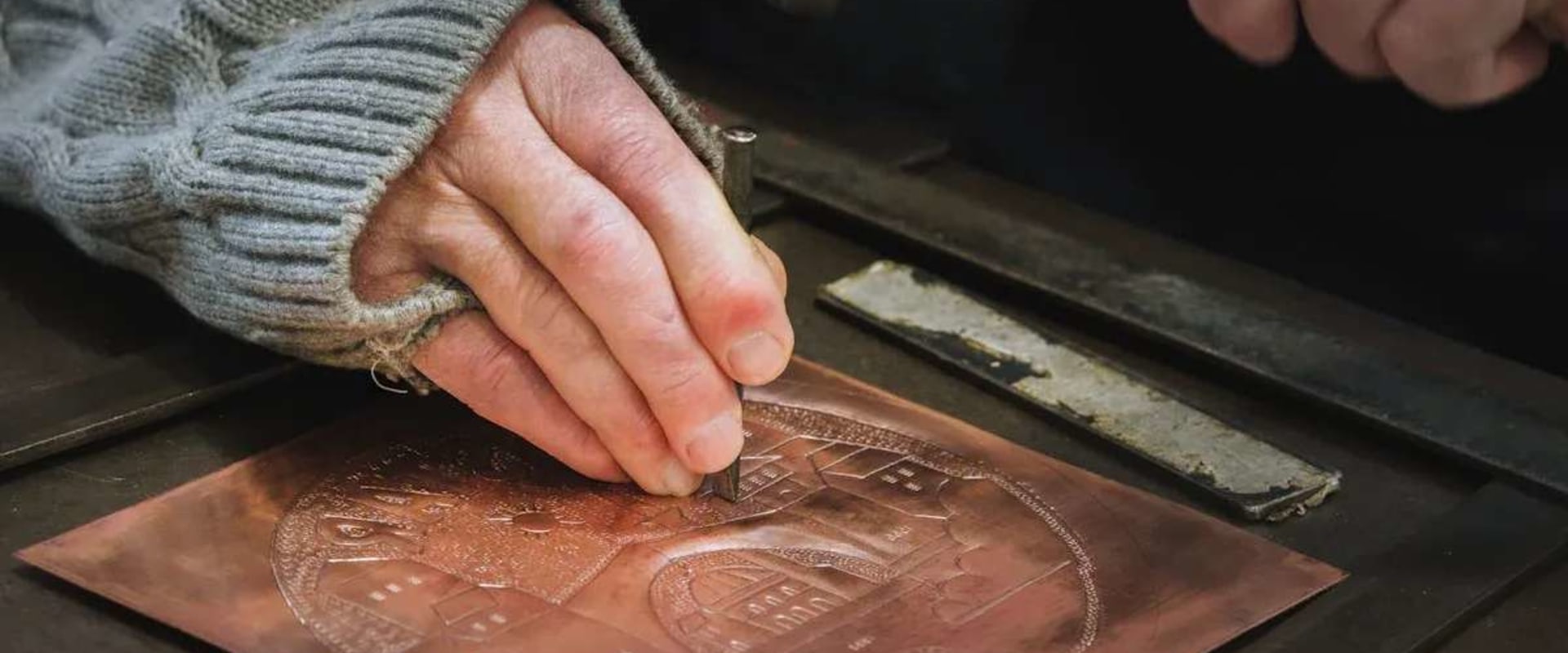
Understanding the different engraving techniques is crucial for anyone interested in this craft, as each method offers unique benefits and caters to various applications. As the demand for personalized items grows, so does the interest in custom engraving services, making it essential to grasp the wide range of materials that can be engraved and the techniques best suited for them. Traditional engraving methods, such as is crucial for anyone interested in this craft, as each method offers unique benefits and caters to various applications. As the demand for personalized items grows, so does the interest in custom engraving services, making it essential to grasp the wide range of materials that can be engraved and the techniques best suited for them. Traditional engraving methods, such as hand engraving, have stood the test of time. This technique involves using tools like burins to carve designs directly into materials such as metal, wood, or stone. Hand engraving allows for a high level of detail and customization, making it ideal for creating intricate patterns or personalized gifts.
For instance, a hand-engraved wooden plaque can serve as a meaningful award or a decorative piece in a home. However, this method requires significant skill and practice, which may discourage beginners. In contrast, modern technologies have revolutionized the field of engraving with tools like CNC (Computer Numerical Control) engraving and laser engraving. CNC engraving uses computer-aided design (CAD) software to control the movement of a cutting tool, allowing for precise and consistent designs across various materials. This method is particularly effective for projects that require uniformity, such as producing multiple identical parts for manufacturing or creating detailed signage. engraving and laser engraving. CNC engraving uses computer-aided design (CAD) software to control the movement of a cutting tool, allowing for precise and consistent designs across various materials. This method is particularly effective for projects that require uniformity, such as producing multiple identical parts for manufacturing or creating detailed signage.
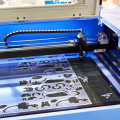
For example, CNC machines can engrave aluminum panels with intricate logos or text, making them popular in commercial applications. On the other hand, laser engraving has gained popularity due to its speed and versatility. Laser engravers use focused beams of light to burn or etch designs onto surfaces. This technique is highly effective on materials like glass, where it can create stunning visual effects through depth and contrast. A common application is customizing glass awards or trophies with personalized messages or logos.
Moreover, laser engraving can also be used on leather and acrylic, broadening the range of potential projects. When starting in engraving, beginners often have questions regarding the best tools and techniques to use. For those interested in hand engraving, investing in a quality set of burins and practicing on softer materials like wood can be beneficial. For CNC or laser engraving enthusiasts, purchasing or accessing machines that fit their budget and intended use is crucial. Additionally, many online resources provide tutorials and forums where novices can learn from experienced engravers. The creative possibilities in design ideas for personal or professional projects are nearly limitless.
Whether designing custom jewelry, unique home décor items, or personalized gifts for special occasions, understanding different engraving techniques enables individuals to bring their visions to life. Engraving can also enhance branding efforts for businesses by adding logos to promotional products. However, there can be disagreements among engravers regarding the effectiveness of different techniques or tools. Some may argue that hand engraving offers a unique charm that modern methods cannot replicate, while others champion CNC and laser engraving for their precision and efficiency. Ultimately, the choice between these methods depends on the specific project requirements and personal preferences of the engraver. As we explore the world of engraving techniques, it becomes clear that both traditional and modern methods have distinct advantages that cater to a wide range of applications.
Understanding these differences not only enriches the engraver's skill set but also enhances their ability to meet the growing demand for custom engraved products.
Modern CNC Engraving Techniques
CNC engraving is a cutting-edge method that utilizes computer numerical control technology to create intricate designs and patterns on various materials. Unlike traditional engraving methods, which often rely on manual tools and techniques, CNC engraving employs automated machinery to achieve high precision and efficiency. This technology allows for the engraving of complex designs with remarkable accuracy, making it a preferred choice for many industries. One of the primary advantages of CNC engraving is its ability to produce consistent results across multiple pieces. Once a design is programmed into the CNC machine, it can replicate that design flawlessly, ensuring that each engraved item meets the same high standards.This consistency is particularly valuable in commercial applications where branding and uniformity are essential. Additionally, CNC engraving offers versatility in terms of materials. It can be used on a wide range of surfaces, including wood, metal, plastic, glass, and stone. This adaptability enables artisans and manufacturers to explore creative possibilities that were previously challenging or impossible with traditional methods. Furthermore, the speed at which CNC engraving operates significantly reduces production time. While manual engraving can be labor-intensive and time-consuming, CNC machines can complete intricate designs in a fraction of the time, allowing businesses to meet higher demand without compromising quality. In summary, CNC engraving represents a significant advancement over traditional engraving techniques. represents a significant advancement over traditional engraving techniques.
Its precision, efficiency, versatility, and ability to deliver consistent results make it an invaluable tool for both artists and manufacturers looking to innovate in the field of engraving.
Traditional Engraving Techniques
Traditional engraving techniques have a rich history that dates back centuries, deeply rooted in artistry and craftsmanship. These methods, which include hand engraving and etching, not only represent the skills of artisans but also serve as a testament to the evolution of decorative arts. Hand engraving is one of the oldest forms of engraving, involving the meticulous process of carving designs into various materials by hand. This technique requires immense skill and precision, as artisans use specialized tools known as burins to create intricate patterns and images. Historically, hand engraving has been utilized for creating everything from ornate jewelry to detailed weaponry and even fine art pieces.The personal touch that a skilled engraver brings to their work imbues each piece with unique character and significance. Another significant traditional method is etching, which involves using acid to cut into the unprotected parts of a metal surface to create a design. The process begins with a metal plate being coated in a waxy ground, which is then inscribed with a design. Once the design is complete, the plate is immersed in an acid bath, allowing the exposed areas to be etched away. This technique has been historically significant in producing detailed prints and illustrations, particularly during the Renaissance period when artists sought new ways to reproduce their works. The historical significance of these engraving techniques cannot be overstated; they were pivotal in the development of printmaking and illustration, influencing everything from book publishing to fine art.
As technology evolved, these methods laid the groundwork for modern engraving practices, showcasing the timeless appeal and enduring legacy of traditional craftsmanship.
Choosing the Right Tools for Engraving
When embarking on the journey of engraving, whether as a novice or a seasoned professional, selecting the appropriate tools is crucial for achieving high-quality results.CNC engraving techniques
have revolutionized the engraving landscape, but understanding traditional tools remains essential. For beginners, starting with handheld engraving tools can be an excellent way to learn the basics. These tools are typically lightweight and easy to manipulate, allowing new engravers to develop their skills without overwhelming complexity. A basic engraving pen with adjustable depth settings can help beginners practice various techniques on different materials. As one progresses, investing in more advanced tools becomes necessary.CNC machines are popular among experienced engravers due to their precision and ability to handle intricate designs. These machines can engrave a wide array of materials, including wood, metal, glass, and plastic, making them versatile for various projects. In addition to the engraving machine itself, having the right accessories is vital. This includes various bits and tips designed for different engraving effects, as well as software for designing and controlling the CNC process. Understanding how to use these tools effectively can greatly enhance the quality of the final product. Moreover, don’t overlook the importance of safety equipment.
Protective eyewear and masks should be part of any engraver's toolkit to prevent injuries from dust and debris generated during the engraving process. In conclusion, whether you are just starting or looking to refine your skills, choosing the right tools for engraving is essential. With a blend of traditional methods and modern CNC engraving techniques, engravers can achieve stunning results across a wide range of materials.
Laser Engraving: A Technological Advancement
Laser engraving represents a significant leap forward in engraving technology, offering unparalleled precision and versatility. This method utilizes focused laser beams to etch or cut designs into a variety of materials, ranging from wood and acrylic to metal and glass. The technology operates by directing a high-powered laser onto the surface of the material, which vaporizes the material away, creating intricate patterns with remarkable accuracy. The precision of laser engraving is one of its standout features, allowing for detailed designs that are often impossible to achieve with traditional methods.This level of accuracy has made laser engraving a popular choice in industries such as manufacturing, jewelry, and promotional products. For instance, in the manufacturing sector, companies utilize laser engraving for part marking, where essential information like serial numbers or barcodes are etched onto products for traceability and quality assurance. Moreover, the versatility of laser engraving extends to various applications beyond industrial use. In the realm of personalization, it has opened up new avenues for custom gifts, signage, and home decor. Consumers can now have their names or unique designs engraved on items like wooden keepsakes, glassware, or even leather goods, enhancing the sentimental value of these products. As technology continues to advance, the capabilities of laser engraving are expanding, making it an exciting area in the field of engraving techniques.
With its ability to produce high-quality results quickly and efficiently, laser engraving not only meets the demands of modern consumers but also sets the stage for innovative applications in the future.
Custom Engraving Services: What You Need to Know
When it comes to custom engraving services, understanding the process and options available can greatly enhance your experience. Whether you are looking for a unique gift, personalized items, or branding solutions, the right service provider can make all the difference. First, it's essential to research local and online engraving service providers. Look for companies that specialize in the specific type of engraving you need, be it laser, rotary, or CNC engraving. Check their portfolios to see examples of previous work, as this will give you insight into their style and quality. Once you have identified potential providers, reach out to them with your project details.Be clear about what you want to achieve, including the material you wish to engrave, the size of the item, and any specific designs or text you have in mind. A good provider will ask questions to understand your vision and may offer suggestions based on their expertise. Additionally, inquire about turnaround times and pricing. Custom work can vary significantly in cost depending on the complexity and materials involved. Ensure that you receive a detailed quote before proceeding, so there are no surprises later. Communication is key when working with custom engraving services.
Establish a clear line of communication for feedback and revisions. Many providers will send you proofs or mock-ups of your design before finalizing the engraving, allowing for any last-minute adjustments. Lastly, consider customer reviews and testimonials when selecting a provider. Positive feedback from previous clients can provide assurance of their reliability and quality. In conclusion, partnering with the right custom engraving service can transform your ideas into beautifully engraved creations. Take the time to research, communicate clearly, and choose a provider that aligns with your vision.
Engraving on Different Materials
Engraving is a versatile art form that can be applied to a variety of materials, each requiring specific techniques to achieve the best results.Understanding the unique properties of each material is crucial for selecting the appropriate engraving method.
Wood
is one of the most popular materials for engraving, thanks to its natural beauty and ease of manipulation. Techniques such as laser engraving and rotary engraving are commonly used. Laser engraving on wood allows for intricate designs and fine details, while rotary engraving can create depth and texture. The choice of wood also impacts the final outcome; softer woods like pine are easier to engrave but may not hold detail as well as hardwoods like oak or maple. When it comes to metal, engraving techniques vary depending on the type of metal being used.For softer metals like aluminum or brass, rotary engraving and laser engraving are effective. However, harder metals like stainless steel often require more robust methods such as diamond-tipped engraving tools or chemical etching. Each technique can produce different textures and finishes, making it essential to choose the right approach based on the desired aesthetic.
Glass
engraving is another captivating area, often sought after for decorative items and awards. Techniques such as sandblasting and laser engraving are prevalent in this medium.Sandblasting allows for deep etching and can create frosted effects, while laser engraving offers precision for intricate designs without compromising the glass's integrity. Care must be taken to ensure that the glass is properly supported during the process to prevent breakage. Additionally, materials like stone, plastic, and ceramic also offer unique challenges and opportunities for engraving. Stone engraving typically involves chiseling or sandblasting to create lasting impressions in durable surfaces. Plastic engraving can be performed using laser methods, which can cut through the material efficiently while allowing for detailed designs.
Ceramic pieces often require laser engraving for fine detail, as traditional methods may not yield satisfactory results. In conclusion, each material presents its own set of requirements and possibilities for engraving techniques. By understanding these nuances, artisans can choose the right method to enhance their craft and produce stunning engraved pieces that stand the test of time.
Design Ideas for Your Engraving Projects
Engraving is a fantastic way to personalize items and make them unique. Whether you are considering CNC engraving techniques for a special gift or simply want to add a personal touch to your belongings, there are countless design ideas to inspire your next project. Here are some creative concepts to get you started.1.Monograms
: A classic choice for personalizing items, monograms can be engraved on various surfaces like wood, metal, and glass.Consider creating a custom design that incorporates your initials or those of a loved one. This timeless technique adds elegance to everything from wedding gifts to everyday items.2.
Inspirational Quotes
: Engraving a favorite quote or saying onto an item can serve as a daily reminder of what inspires you. Think about engraving quotes on items such as photo frames, keepsake boxes, or even kitchen utensils for a personal touch.3.Custom Artwork
: If you have artistic skills or know someone who does, consider creating a custom piece of artwork for engraving. This can range from simple sketches to intricate designs that tell a story.Custom artwork is especially popular for unique gifts or commemorative pieces.4.
Themed Designs
: For special occasions like weddings, anniversaries, or birthdays, themed designs can add a unique touch. Consider engraving patterns or symbols that reflect the theme of the event—like hearts for weddings or stars for celebrations of achievement.5.Photographs
: With modern CNC engraving techniques, it’s possible to engrave detailed photographs onto materials such as wood or acrylic. This creates stunning keepsakes that capture cherished memories in a tangible form.6.Functional Engravings
: Think about functional items that can be personalized through engraving. For example, you could engrave measuring spoons with measurement indicators or create customized coasters with family names.These not only serve practical purposes but also add character to everyday items.7.
Nature-Inspired Designs
: For those who love the outdoors, consider integrating nature themes into your engravings. Leaves, flowers, animals, and landscapes can all be beautifully represented through engraving, bringing a touch of the natural world into your home decor.8.Multi-Layered Designs
: Explore the possibility of multi-layered engravings that create depth and dimension. By layering different materials and using varying depths in your engravings, you can achieve striking visual effects that enhance any project. In conclusion, the possibilities for engraving designs are virtually limitless. By tapping into your creativity and considering personal significance, you can create stunning engraved pieces that are both meaningful and memorable. In conclusion, this article has explored the diverse world of engraving techniques, showcasing how these methods have evolved from traditional practices to the advanced capabilities offered by modern technologies such as CNC engraving and laser engraving.We have highlighted the growing interest in custom engraving services and the myriad of materials that can be skillfully engraved, allowing for endless possibilities in creativity. The versatility of engraving techniques is evident, as each method offers unique advantages and applications. Whether you are drawn to the timeless appeal of traditional engraving or the precision of contemporary technologies, there is a technique suited for every project. We encourage readers to delve deeper into these methods and to consider embarking on their own engraving projects. Remember, experimentation is key; the more you practice and explore different techniques, the closer you will come to mastering the art of engraving.