In the world of artistic expression, etching stands out as a timeless technique that marries creativity with precision. Whether you're a seasoned artist or an enthusiastic beginner, understanding the essential tools for etching can elevate your craft and open new avenues for innovation. From traditional methods that have been honed over centuries to modern advancements that push the boundaries of what's possible, the right tools are crucial in achieving the desired results. This article delves into the myriad of etching toolsetching tools available today, exploring their unique features, benefits, and how they can enhance your artistic journey. We'll take you through a comprehensive overview, highlighting both classic implements like etching needles and acid baths, as well as contemporary gadgets that have revolutionized the craft. Whether you aim to create intricate designs on metal, glass, or other surfaces, understanding which tools best suit your specific needs is key to mastering the art of etching.
Join us as we embark on this exploration of essential tools that not only aid in the etching process but also inspire creativity and innovation in your work. Etching is a captivating process that has carved its niche in the world of engraving, blending artistry with precision. This technique involves incising designs onto a surface, traditionally using chemicals and acids to produce intricate patterns and images. The significance of etching spans various contexts, including artistic endeavors, such as printmaking and jewelry design, as well as industrial applications, where it is utilized for creating detailed components in manufacturing. The intrigue surrounding both traditional and modern methods of etching lays the groundwork for exploring the essential tools for etching that facilitate these processes. When we categorize etching tools, they can be divided into two main groups: traditional hand tools and modern equipment.
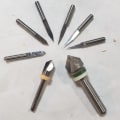
Traditional hand tools, such as burins and etching needles, have been used for centuries by artisans who value the tactile feedback and control these tools provide. A burin is a pointed tool that allows artists to carve fine lines into metal plates or wood blocks, producing detailed designs. Similarly, etching needles come in various shapes and sizes, enabling artists to create different line thicknesses and textures. For instance, an artist might choose a fine needle for delicate lace patterns or a broader one for bold outlines. The advantages of using traditional hand tools include their affordability and the level of artistry they enable.
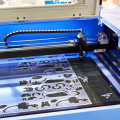
Artists can manipulate the pressure applied to these tools, resulting in unique variations in depth and texture. However, the learning curve can be steep for beginners, and achieving precision requires practice and skill. Moreover, producing large quantities of work can be time-consuming. On the other hand, modern equipment such as laser engravers has revolutionized the world of etching. These machines use focused laser beams to etch designs onto various materials with incredible precision.
Laser engravers are particularly advantageous for their speed and consistency; they can reproduce complex designs quickly and accurately. This makes them invaluable in industrial settings, where consistency is crucial. For example, a manufacturer might use a laser engraver to create intricate logos on metal parts, ensuring every piece matches perfectly. However, modern equipment comes with its own set of challenges. The cost of purchasing or operating a laser engraver can be significant, making it less accessible for hobbyists or smaller businesses.
Additionally, while laser engravers are easier to use than hand tools, they may lack the personal touch that hand-etched pieces possess. When considering custom engraving services, users should evaluate several factors before making a decision. It's essential to look at the service provider's portfolio to gauge their experience with different materials and techniques. Additionally, understanding pricing structures is critical; some services may charge based on complexity or material type. Customers should also inquire about turnaround times and whether the provider offers revisions or proofs before finalizing a project. For beginners looking to select Additionally, while laser engravers are easier to use than hand tools, they may lack the personal touch that hand-etched pieces possess. When considering custom engraving services, users should evaluate several factors before making a decision. It's essential to look at the service provider's portfolio to gauge their experience with different materials and techniques. Additionally, understanding pricing structures is critical; some services may charge based on complexity or material type. Customers should also inquire about turnaround times and whether the provider offers revisions or proofs before finalizing a project. For beginners looking to select tools for etching, it's crucial to consider skill level and project type.
Those just starting may benefit from investing in simple hand tools like etching needles or starter kits that include a variety of instruments. Additionally, practicing on less expensive materials like wood or plastic can help build confidence without the risk associated with more costly materials. The versatility of engraving allows artists to explore various materials, each requiring specific techniques. For instance, etching on metal often involves using acid baths or engraving tools to carve deeper into the surface. In contrast, wood engraving typically employs gouges or chisels to create texture and depth without excessive force.
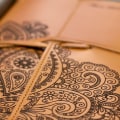
Glass etching can be achieved through sandblasting or chemical processes that remove surface layers for stunning results. Lastly, plastic engraving is often done with rotary tools that melt rather than cut through the material, creating clean edges without cracking. Design ideas abound for those eager to embark on their etching journey. Artists might consider creating personalized gifts such as engraved glassware or metal jewelry featuring custom designs or meaningful quotes. Another exciting project could involve creating decorative wooden signs for home décor or crafting intricate patterns on leather goods for a unique touch.
The possibilities are endless when it comes to applying etching techniques, inspiring creativity and innovation in every piece.
Custom Engraving Services
Custom engraving services provide a unique opportunity for individuals and businesses to create personalized items that resonate with their specific needs and preferences. These services offer a range of design options that cater to various occasions, whether it be for gifts, awards, or branding purposes. Customers can often choose from pre-designed templates or collaborate with skilled engravers to develop completely bespoke designs tailored to their vision. In addition to design flexibility, custom engraving services also present an array of material choices. Common materials used in engraving include metal, glass, wood, and acrylic, each offering distinct aesthetic qualities and durability.Metal engravings can provide a sleek, professional look, while wood engravings often evoke a sense of warmth and craftsmanship. Glass engravings add an elegant touch, making them ideal for awards and decorative items. The choice of material not only affects the visual outcome but also the texture and longevity of the engraved product, allowing clients to select the best fit for their intended use. Ultimately, custom engraving services empower customers to express their individuality and creativity through the art of etching, bridging the gap between traditional craftsmanship and modern innovation.
Traditional Hand Tools for Etching
In the world of etching, traditional hand tools play a crucial role in shaping the art form. Among these, the burin stands out as a primary tool used by engravers.This sharp, pointed instrument allows artists to carve intricate designs into metal plates, making it essential for creating detailed images and textures. The burin comes in various shapes and sizes, enabling artists to achieve different line qualities and depths in their work. Another important tool is the etching needle, which is used specifically for drawing on the surface of a coated plate. This needle enables artists to create fine lines and delicate patterns by scratching through the resist layer, exposing the metal beneath. The precision offered by the etching needle allows for a wide range of artistic expression, from bold strokes to intricate details. Additionally, acid baths are vital in the etching process, particularly in techniques that involve chemical etching.
After applying a resist to the plate and using a burin or etching needle to create designs, the plate is submerged in an acid bath. The acid eats away at the exposed areas of the metal, resulting in recessed lines that hold ink during printing. This method not only enhances the durability of the artwork but also allows for more complex designs that may be difficult to achieve with traditional engraving methods. Each of these traditional tools contributes significantly to the etching process, offering unique capabilities that cater to different techniques and artistic styles. Understanding how to use them effectively is key for anyone looking to master the art of etching.
Modern Technologies: Laser Engraving
Laser engravingLaser engraving technology has revolutionized the field of etching, providing a level of precision and detail that traditional methods often struggle to achieve.Unlike conventional techniques that rely on physical tools to carve designs into materials, laser engraving employs focused beams of light to create intricate patterns with remarkable accuracy. The capabilities of laser engraving extend beyond mere aesthetics; it is also widely used in industrial applications for marking and cutting various materials. This technology allows for the engraving of complex designs on a multitude of surfaces, including wood, metal, glass, and plastic. The ability to customize designs quickly and efficiently makes laser engraving an attractive option for both artists and manufacturers. One of the primary advantages of laser engraving is its speed. Traditional etching processes can be time-consuming, requiring manual effort and often extensive setup.
In contrast, laser engravers can execute designs rapidly once programmed, significantly reducing production time. This efficiency not only enhances productivity but also allows for greater experimentation and creativity. Moreover, the versatility of laser engravers is unmatched. They can accommodate a wide range of materials and thicknesses, making them suitable for various projects—from personalized gifts to large-scale industrial applications. The ability to adjust settings for depth and speed ensures that each project can be tailored to specific requirements. Overall, the advent of laser engraving technology represents a significant leap forward in the etching domain, merging artistry with innovation.
As we continue to explore this field, it becomes evident that laser engraving is not merely a tool but a powerful medium that expands the possibilities of what can be achieved in the world of etching.
Tips for Beginners in Etching
Entering the world of etching can be both exciting and daunting for beginners. To help ease this transition, here are some practical tips to get started.1.Safety First:
Before diving into etching, it is crucial to prioritize safety. Always work in a well-ventilated area to avoid inhaling harmful fumes from chemicals. Wear protective gloves and goggles to safeguard your skin and eyes from potential irritants.If you are working with sharp tools, ensure you have a first aid kit nearby for any accidental cuts.
2.Start with Basic Tools:
As a novice, invest in essential tools that will allow you to practice and refine your skills without overwhelming yourself. A basic etching kit typically includes an etching needle, a metal plate (such as copper or zinc), and an etching ground. Familiarize yourself with each tool and its purpose before proceeding.3.Practice Techniques:
Begin by mastering simple techniques before moving on to more complex designs. Start with basic line drawings and gradually incorporate shading and textures.Practicing on scrap pieces of metal can help build confidence without the pressure of ruining a final piece.
4.Take a Class:
Consider enrolling in an etching workshop or class to gain hands-on experience under the guidance of an experienced instructor. This can provide invaluable insights into techniques and tools that may not be easily grasped through self-study.5.Explore Resources:
Utilize online tutorials, videos, and books dedicated to etching to expand your knowledge. Engaging with online communities can also help you connect with other artists, share experiences, and gain feedback on your work.6.Keep a Sketchbook:
Maintain a sketchbook to jot down ideas, experiment with designs, and track your progress over time. This can serve as a valuable reference as you develop your unique style in etching. By following these tips, beginners can approach etching with greater confidence and creativity, paving the way for their artistic journey in this fascinating medium.Choosing the Right Tool for Your Project
When embarking on an etching project, one of the most crucial decisions you'll face is choosing the right tool.The tools you select can significantly impact the quality and precision of your work, so it’s essential to consider several factors before making a purchase. First and foremost, assess the
Make sure you choose tools compatible with your chosen material to achieve optimal results. Another vital aspect is your
Investing in high-quality tools can make a significant difference in your etching projects. Durable materials and well-designed instruments contribute to better outcomes and can save you money in the long run by reducing wear and tear. In summary, selecting the right tools for your etching project involves careful consideration of your project needs, material types, user experience level, and tool quality. Taking these factors into account will help ensure that your etching endeavors are successful and enjoyable.
Applications of Etching Across Various Materials
Etching is a versatile technique that can be applied to a wide range of materials, each requiring distinct approaches and tools. Understanding these differences is essential for achieving desired results in both artistic and industrial applications.Metal
etching is one of the most traditional forms, widely used in creating intricate designs on surfaces like copper, zinc, and steel.The process typically involves using acid to remove layers of metal, allowing artists to produce detailed images or patterns. Techniques such as photo-etching and deep etching are common, enabling various depths and textures to be achieved. When it comes to wood, etching can be performed using both chemical and mechanical means. Tools like rotary engravers or laser cutters are often employed to carve designs into the wood grain. The results can vary significantly based on the type of wood used, as softer woods may take on different textures compared to harder varieties.
Wood etching is popular for decorative items, signage, and artistic pieces.
Glass
etching, on the other hand, offers a unique challenge due to its fragility and transparency. This process commonly employs abrasive methods or acid solutions to create frosted designs on glass surfaces. Techniques such as sandblasting or using etching cream allow for precision work that can enhance both functional items like glassware and decorative pieces such as window panes and art installations. Lastly, plastics have become increasingly popular for etching due to their widespread use in various industries. Techniques such as laser etching are particularly effective for plastic materials, allowing for sharp and detailed designs without compromising the integrity of the material.This method is commonly used for branding purposes on products and creating intricate patterns in consumer electronics. In summary, the applications of etching across different materials highlight the adaptability of this technique. By understanding the specific requirements and tools for metal, wood, glass, and plastics, artisans and manufacturers can leverage etching to its fullest potential. In this article, we have delved into the essential tools for etching, highlighting the significance of selecting the appropriate instruments to achieve desired results. From traditional hand tools that have stood the test of time to cutting-edge modern technologies like laser engraving, each tool offers unique advantages that cater to different techniques and applications. We encourage readers to unleash their creativity by experimenting with both traditional and modern methods. Consider your specific project requirements, whether you are working on artistic pieces or industrial applications, as this will guide you in making informed decisions on the tools best suited for your endeavors. Ultimately, mastering the art of etching requires not just skill but also the right tools, paving the way for innovative creations across various materials.