In the ever-evolving world of arts and crafts, the intersection of tradition and technology has given rise to innovative techniques that transform the way artists and crafters express their creativity. One such technique that has gained significant traction is engraving, especially through the use of laser technology. Laser engravingLaser engraving offers an unparalleled precision that allows artisans to bring their visions to life with stunning clarity and detail. This article, titled Exploring Engraving Techniques and Applications in Arts and Crafts, delves into the fascinating realm of laser engraving. We will uncover its myriad applications, from personalizing gifts to creating intricate designs on various materials, and how it has revolutionized the creative process for artists across different mediums.
Whether you are a seasoned craftsman or a curious novice, understanding these creative applications in arts and crafts can open up new avenues for your artistic endeavors. Join us as we embark on a journey through the world of laser engraving, exploring not only the techniques that make it possible but also the innovative applications that make it a game-changer in modern crafting. Prepare to be inspired as we highlight the ways this cutting-edge technology is reshaping the landscape of artistic creation. Engraving is a remarkable technique that has found its place in the realm of arts and crafts, serving as a bridge between tradition and innovation. This art form not only enhances the aesthetic appeal of various materials but also allows artisans to express their creativity through intricate designs. The significance of engraving lies in its ability to transform ordinary objects into personalized treasures, making it a popular choice among artists and hobbyists alike. To understand engraving, one must first delve into the different engraving techniques.
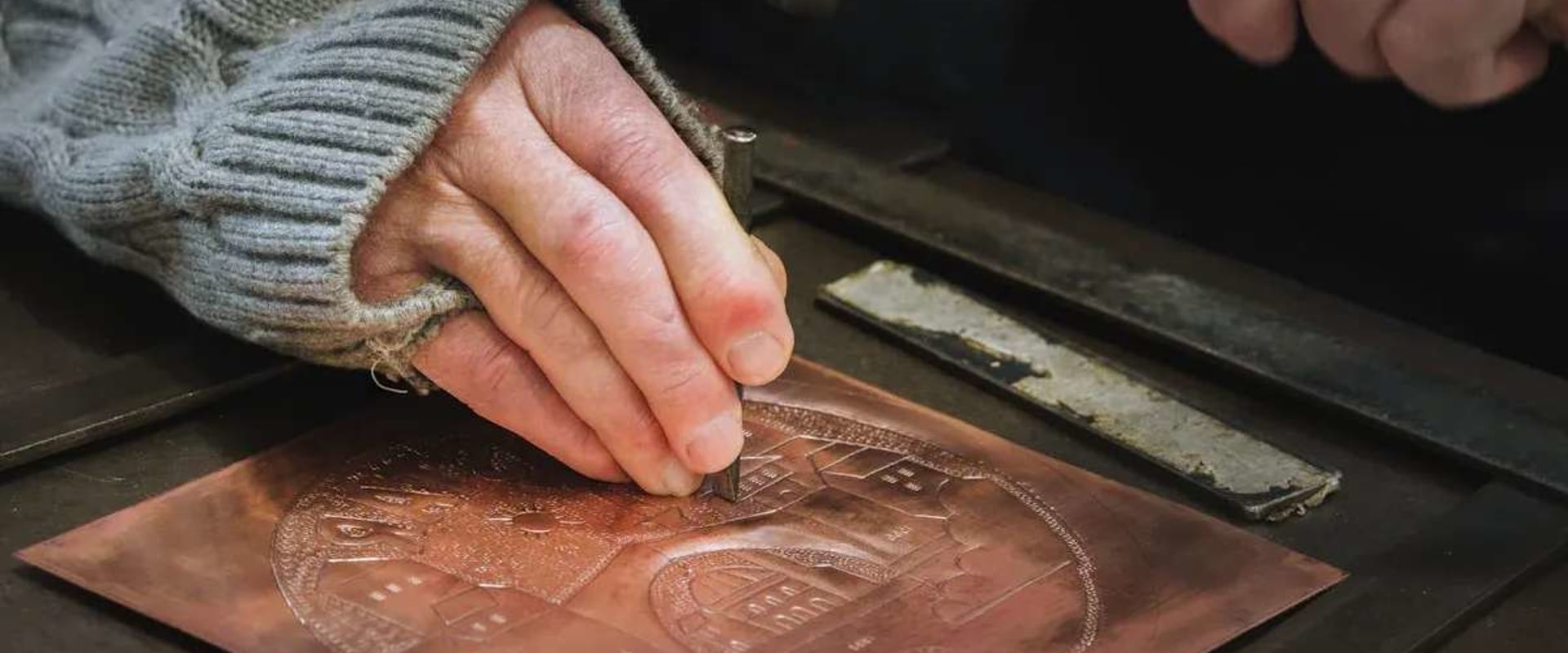
Traditional methods such as hand engraving and intaglio have been practiced for centuries. Hand engraving involves using tools like burins and gravers to carve designs directly into a surface. These tools come in various shapes and sizes, allowing for a range of line thicknesses and textures. Intaglio, on the other hand, is a printmaking technique where designs are incised into a surface, and ink is applied to create prints, showcasing the depth and detail achievable with traditional engraving. As we transition into the modern era, technologies like laser engraving have revolutionized the field.
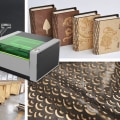
Unlike traditional methods that require manual skill and patience, laser engraving utilizes focused laser beams to precisely etch designs onto a variety of materials. This method offers unparalleled precision and efficiency, allowing for intricate designs that would be challenging to achieve by hand. The versatility of laser engraving makes it suitable for numerous applications, from creating personalized gifts to producing detailed artwork. When it comes to materials that can be engraved, the possibilities are vast. Common options include wood, which offers a warm aesthetic, metal, known for its durability, glass, which can create stunning effects with light, and acrylic, a popular choice for colorful projects.
Each material presents unique challenges and opportunities for the engraver, whether they are using traditional or modern techniques. For beginners interested in exploring engraving, choosing the right tools and techniques based on their projects is essential. Starting with simple projects can help build confidence and skill. Beginners should consider investing in quality hand tools such as gravers for traditional engraving or a reliable laser engraver for modern applications. Additionally, it’s beneficial to familiarize oneself with the different types of engraving surfaces, as each may require specific approaches. The demand for custom engraving services has also surged in recent years, enabling artisans to offer personalized gifts or unique creations. for traditional engraving or a reliable laser engraver for modern applications. Additionally, it’s beneficial to familiarize oneself with the different types of engraving surfaces, as each may require specific approaches. The demand for custom engraving services has also surged in recent years, enabling artisans to offer personalized gifts or unique creations.
Whether it's engraving names on jewelry or creating bespoke home décor items, these services allow individuals to express their sentiments in a tangible form. As customization becomes more popular, artists can leverage their engraving skills to tap into this lucrative market. However, beginners may face several challenges when starting their engraving journey. One common issue is achieving the desired depth and clarity in their designs. To overcome this, beginners should practice regularly and experiment with different pressures and speeds when using their tools.
Additionally, understanding the characteristics of each material can help anticipate how it will react during the engraving process. In conclusion, embarking on an engraving journey opens up a world of possibilities within the arts and crafts sphere. By understanding various techniques—from traditional methods like hand engraving to modern innovations such as laser engraving—artisans can create stunning works that reflect their creativity and craftsmanship.
Traditional Engraving Techniques
Traditional engraving encompasses a range of classic methods that have been utilized for centuries to create intricate designs on various materials. Among these methods, hand engraving stands out as one of the most revered techniques, relying on the skill and precision of the artisan. Hand engraving involves the use of specialized tools to carve designs directly into a surface, whether it be metal, wood, or glass. The primary tool used is the engraving burin, which comes in various shapes and sizes, allowing for different styles of cuts and textures.Engravers often employ a technique known as cross-hatching, where lines are layered to create shading and depth in the artwork. Another important aspect of hand engraving is the choice of material. Metals like silver and gold are commonly used due to their malleability and ability to hold fine details. However, artisans also explore wood, glass, and stone, each presenting unique challenges and opportunities for creativity. Engraving techniques such as stipple engraving, which involves creating patterns of dots for shading effects, and line engraving, where continuous lines are used to form images, showcase the versatility of hand engraving. Each technique requires meticulous attention to detail, patience, and a deep understanding of how different materials respond to cutting. Overall, traditional engraving techniques not only reflect the craftsmanship of the engraver but also offer endless possibilities for artistic expression in the realm of arts and crafts.
Custom Engraving Services
When it comes to creating personalized gifts or unique pieces for special occasions, custom engraving services offer an exceptional solution.Whether you are celebrating a wedding, a milestone birthday, or a corporate event, custom engravings can add a personal touch that transforms ordinary items into cherished keepsakes. Many engraving services specialize in various materials such as wood, glass, metal, and acrylic. By selecting the right medium for your project, you can ensure that the final product complements the occasion perfectly. For example, engraved glassware makes for elegant wedding gifts, while personalized wooden plaques are ideal for commemorating achievements. When commissioning a custom engraving, it is essential to consider the design elements you want to incorporate. This could range from names and dates to intricate patterns or logos.
Most engraving services work closely with clients to create bespoke designs that reflect their vision. Additionally, many providers offer online tools that allow customers to visualize their engravings before finalizing the order. For those looking to commemorate a special event or simply seeking a one-of-a-kind item, exploring custom engraving services is an excellent way to achieve something truly unique. Not only do these engravings serve as beautiful reminders of significant moments, but they also showcase the artistry and craftsmanship involved in the engraving process.
Modern Laser Engraving
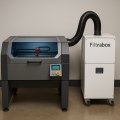
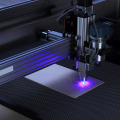
Modern laser engraving is a cutting-edge technology that has revolutionized the way artists and crafters create intricate designs on various materials. Utilizing focused beams of light, this process allows for precise and detailed engravings that were once challenging to achieve with traditional methods.The laser engraving machine operates by directing a high-powered laser through a lens onto the surface of the material, effectively vaporizing it to create the desired pattern or image. One of the primary advantages of laser engraving is its versatility. It can be applied to a wide range of materials, including wood, acrylic, glass, metal, and even leather. This makes it an ideal choice for artists and craftsmen looking to explore different mediums in their projects. Additionally, the level of detail achievable with laser engraving is unparalleled; intricate designs can be executed with precision that hand tools simply cannot match. Another significant advantage of laser engraving is its efficiency.
Unlike traditional engraving methods, which may require extensive manual labor and time, laser engraving can produce high-quality results in a fraction of the time. This efficiency not only enhances productivity but also reduces costs associated with labor and material waste. Furthermore, modern laser engraving technologies often come equipped with advanced software that allows for easy design modifications and customizations. Artists can create unique designs tailored to their client's needs or personal preferences, making each piece truly one-of-a-kind. In summary, modern laser engraving combines precision, versatility, and efficiency, making it an invaluable tool in the realm of arts and crafts. Its ability to enhance various materials while creating unique designs has opened up new possibilities for artists and crafters alike.
Tips for Beginners
Embarking on the journey of engraving can be both exciting and daunting for newcomers.To help you get started, here are some practical tips to enhance your experience in the world of engraving.
1.Choose the Right Tools:
Investing in quality tools is essential for achieving good results. Start with a basic engraving kit that includes a rotary tool, different bits, and safety goggles. As you gain confidence, you can explore more advanced tools tailored to your specific needs.2.Understand Your Material:
Engraving can be performed on various surfaces such as wood, glass, metal, and acrylic. Each material has its own properties and requires different techniques.Research the best practices for the material you wish to work with to ensure successful outcomes.
3.Practice on Scrap Material:
Before diving into your main project, practice on scrap pieces of the same material. This will help you get a feel for the tool and develop your technique without the pressure of ruining your final piece.4.Start with Simple Designs:
As a beginner, it's wise to start with simple patterns or designs. Geometric shapes or basic lettering can help you build your skills gradually before attempting more intricate designs.5.Take Your Time:
Engraving is a meticulous process that requires patience and precision. Rushing through your work can lead to mistakes and frustration.Take your time to ensure that each cut is clean and deliberate.
6.Safety First:
Always prioritize safety when engraving. Wear protective eyewear to shield your eyes from debris and use a dust mask if working with materials that generate fine particles. Ensure your workspace is well-ventilated and organized to minimize hazards.7.Join a Community:
Engraving can be a solitary endeavor, but connecting with others can provide support and inspiration. Consider joining online forums or local workshops where you can share experiences, ask questions, and learn from fellow engravers. By following these tips, beginners can navigate the exciting world of engraving with confidence and creativity, ultimately enhancing their skills and producing beautiful works in arts and crafts.Materials for Engraving
Engraving is a versatile technique that can be applied to a wide array of materials, each with its own unique properties and requirements.Understanding the materials suitable for engraving is essential for achieving optimal results. Below are some of the most commonly used materials in engraving:Wood: Wood is one of the most popular materials for engraving due to its natural beauty and ease of manipulation. Softwoods like pine and cedar are ideal for beginners, while hardwoods such as oak and cherry provide a more refined finish. It’s important to consider the grain direction and moisture content to avoid chipping.
Metal:
Metals like aluminum, brass, copper, and stainless steel are excellent choices for engraving.Each metal requires specific tools and settings, as harder metals demand more powerful lasers or specialized engraving techniques. Proper surface preparation is crucial to ensure clean lines and prevent oxidation.
Glass:
Engraving glass creates stunning designs that are often used in awards, gifts, and decorative items. The process generally involves sandblasting or laser engraving. Using low power settings is essential to avoid cracking or shattering the glass.Acrylic:
Acrylic is a lightweight and shatter-resistant material that engraves beautifully.It can be cut and engraved with precision using laser technology. The key is to adjust the laser settings to prevent melting or burning the edges.
Leather:
Engraving on leather provides a unique texture and character to various projects, from fashion items to home décor. It’s best to use vegetable-tanned leather for best results, as it allows for cleaner engravings. Testing different pressures can help achieve the desired depth.Fabric:
Certain fabrics, particularly those made from natural fibers such as cotton or linen, can be engraved using specialized techniques.It’s important to stabilize the fabric to prevent movement during the engraving process.
Stone:
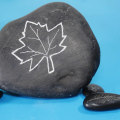
Engraving stone surfaces like granite or marble can create lasting memorials or artistic pieces. This requires specialized tools such as diamond-tipped bits or laser engravers designed for hard surfaces. Proper equipment and techniques are vital to avoid chipping or uneven surfaces. Choosing the right material for your engraving project not only influences the final appearance but also determines the techniques and tools you'll need to use. By understanding these materials and their specific requirements, artisans can unlock new creative possibilities in their arts and crafts endeavors. In conclusion, we have delved into the fascinating world of engraving and its significance in the realm of arts and crafts.From exploring traditional engraving techniques to the innovative possibilities offered by modern laser engraving, it is clear that this art form has the power to transform various materials into stunning creations. We discussed a variety of materials for engraving, highlighting how each can enhance your artistic expression. Moreover, we provided valuable tips for beginners, encouraging those new to the craft to embrace their creativity and experiment with different methods. The availability of custom engraving services also opens doors for artists to collaborate and bring their visions to life. We hope this article has inspired you to explore the creative potential of engraving in your own projects.
Don't hesitate to try out different techniques and materials to discover your unique style!.