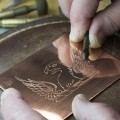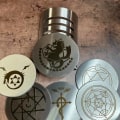
Engraving is an art form that combines precision, creativity, and the right set of tools. Whether you are a seasoned engraver or just starting out, choosing the right hand tools for engraving can significantly influence the quality of your work and the ease with which you create intricate designs. With so many options available on the market, it can be overwhelming to know where to start. Hand tools for engraving come in various shapes and sizes, each designed for specific techniques and materials. From the delicate touch of a fine point graver to the robust strength of chisels, understanding the unique characteristics of each tool is essential for achieving the desired results.
In this article, we will delve into the key considerations you need to keep in mind when selecting your engraving tools. Not only will we explore the different types of hand tools available, but we will also provide insights into their functionalities and how they can enhance your engraving projects. By the end of this guide, you'll be well-equipped to make informed decisions that will elevate your craftsmanship and bring your artistic visions to life. So, let’s embark on this journey to discover how to choose the best hand tools for your engraving needs!Choosing the right hand tools for engraving is a vital step that can greatly influence the quality and precision of your work. The artistry involved in engraving requires not only skill but also the appropriate tools tailored to the specific engraving technique being employed.
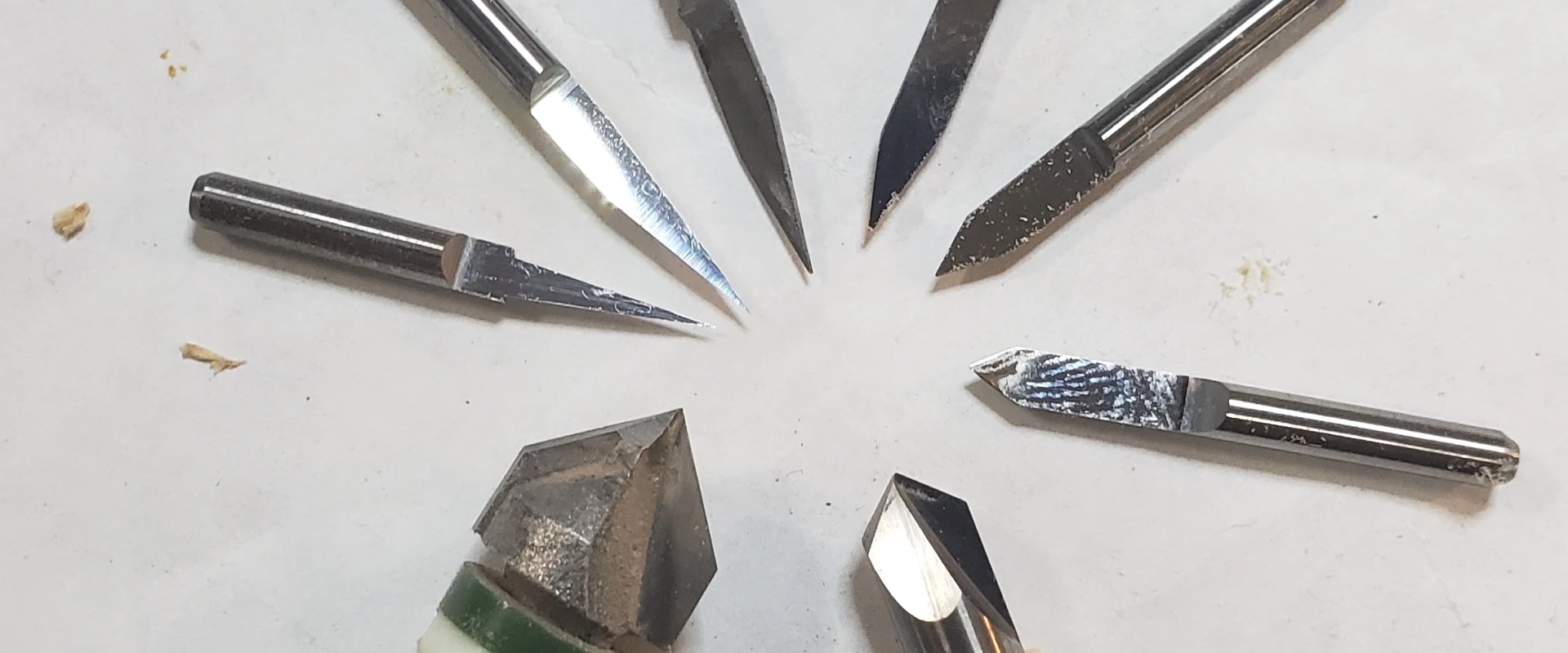
Different techniques call for different tools, and selecting the right ones can make all the difference in achieving a flawless finish. There are several categories of hand tools that are essential for engraving, each serving unique functions. One of the most common tools is the chisel, which is primarily used for carving and cutting into various materials such as wood and stone. Chisels come in a variety of shapes and sizes, allowing engravers to create detailed designs with precision. For instance, a flat chisel is ideal for broad strokes, while a V-shaped chisel is perfect for finer lines and details. Another critical tool in the engraver's arsenal is the graver.
This tool is specifically designed for cutting into harder materials like metal and glass. Gravering requires a steady hand, as it involves making deep cuts to create intricate designs. The most popular type of graver is the square graver, which is favored for its versatility in both straight cuts and detailed work. Beginners should consider starting with a basic set of gravers to learn the fundamentals before advancing to specialized models.
Specialized knives
, such as those used for linocut or woodcut engraving, also play a significant role in this craft.These knives allow for precise control when making delicate cuts in softer materials. For example, a straight blade knife can be used for clean, straight cuts, while a curved blade knife is better suited for creating rounded edges or intricate patterns. When choosing hand tools, it's essential to consider the material type you'll be working with. Engraving on metal requires sturdier tools that can withstand the hardness of the material, whereas wood engraving allows for more flexibility with softer tools. The complexity of your design will also dictate which tools are best suited for your project.
For intricate designs, finer tools like gravers and specialized knives are indispensable. Popular brands such as Flexcut, Gravotech, and Sorby are highly regarded in the engraving community for their quality craftsmanship and durability. Flexcut offers a range of chisels and knives that are perfect for beginners and advanced users alike, while Gravotech specializes in gravers that cater to various engraving techniques. Sorby is known for its traditional tools that have been trusted by engravers for generations. Beginners may face challenges when selecting the right hand tools, such as feeling overwhelmed by the variety available or not knowing which tools are necessary to start. A good solution is to invest in starter kits that include essential tools at a more affordable price point. are highly regarded in the engraving community for their quality craftsmanship and durability. Flexcut offers a range of chisels and knives that are perfect for beginners and advanced users alike, while Gravotech specializes in gravers that cater to various engraving techniques. Sorby is known for its traditional tools that have been trusted by engravers for generations. Beginners may face challenges when selecting the right hand tools, such as feeling overwhelmed by the variety available or not knowing which tools are necessary to start. A good solution is to invest in starter kits that include essential tools at a more affordable price point.
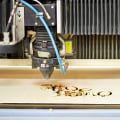
These kits often come with basic chisels, gravers, and knives that provide an excellent foundation for beginners to build their skills. Furthermore, it's important to acknowledge the rise of modern technologies in engraving, such as laser engravers. While traditional hand tools offer unique tactile experiences and artistic expression, laser engravers provide precision and efficiency that can be appealing for larger projects or commercial use. Understanding the differences between traditional hand tools and modern technologies can help engravers make informed decisions based on their individual needs and preferences. In conclusion, selecting appropriate hand tools for engraving is crucial to achieving high-quality results. Whether you choose traditional chisels and gravers or opt for cutting-edge laser technology, understanding each tool's function and ideal use case will empower you to tackle any engraving project with confidence. Engraving is an art form that requires not only creativity but also precision and the right tools.
Selecting appropriate hand tools based on the engraving technique being employed can significantly influence the quality of the final product. Different engraving styles, whether traditional or modern, demand specific tools that can cater to varying levels of detail and complexity. One of the primary categories of hand tools for engraving is chisels. Chisels are essential for creating deep cuts and intricate designs on harder materials such as metal and stone. They come in various shapes and sizes, allowing artists to achieve different effects.
For instance, a flat chisel is ideal for broad strokes, while a V-shaped chisel is perfect for fine detailing. Popular brands like Pfeil and Flexcut offer high-quality chisels that are favored by engravers for their durability and precision.
Gravers
are another crucial type of hand tool used in engraving. These small, pointed tools allow for detailed line work and are particularly effective on softer materials such as wood and acrylic. Gravers come in several profiles—such as square, round, and flat—each serving a unique purpose depending on the desired outcome.When using gravers, it’s vital to choose the right angle and pressure to achieve clean lines without damaging the material. Brands like Gesswein and Grobet provide reliable options that engravers trust for their consistent performance. For those working with softer materials or seeking to create more complex designs, specialized knives can be indispensable. These knives often feature ergonomic designs that enhance control during intricate cuts. For example, a curved knife can be used for carving smooth edges or rounded shapes in wood or plastic.
When selecting a specialized knife, it’s important to consider the grip and blade sharpness, as these factors can greatly affect the ease of use and overall results. Tools from brands like X-Acto are well-regarded for their versatility and precision. The choice of hand tools also hinges on the type of material being engraved. Hard metals require sturdier tools like chisels, while softer materials can be effectively handled with gravers or specialized knives. Moreover, complexity in design will dictate whether a beginner might need a simple tool set or something more advanced.
Beginners often face challenges such as lack of familiarity with tool handling or difficulty in achieving desired results. A good solution is to start with a basic set of tools that includes a few gravers and a chisel, gradually expanding the toolkit as one gains confidence and skill. Additionally, there’s an increasing interest in comparing traditional hand tools with modern technologies like laser engravers. While traditional tools offer a tactile experience that many artists value, laser engravers provide precision and speed that can be particularly advantageous for mass production or complex designs. Laser engraving allows for intricate patterns to be replicated with exactitude, which might be difficult to achieve by hand.
However, it’s important to note that laser engravers require a different skill set and understanding of software programs, which could pose an initial learning curve for some artists. Ultimately, choosing the right hand tools for engraving involves understanding both the artistic needs and the practical considerations of the materials and techniques involved. Whether one opts for traditional methods or embraces modern technology, having a well-thought-out selection of tools is crucial for achieving high-quality results in any engraving project.
Custom Engraving Services
For those who appreciate the art of engraving but may not possess the necessary skills or tools, custom engraving services present a fantastic alternative. These services allow individuals to have their designs and ideas brought to life by professionals who specialize in this intricate craft. When considering a custom engraving service, several factors should be taken into account to ensure satisfaction with the final product. First, it's important to evaluate the experience and expertise of the engravers.Look for services that showcase a portfolio of past work, demonstrating their skill level and range of styles. Additionally, consider the types of materials they work with. Some services may specialize in specific materials such as wood, metal, or glass, which can affect the quality and appearance of the engraving. It's also essential to inquire about their turnaround time, especially if you have a deadline for your project. Another crucial aspect is customer service. A reputable custom engraving service should be open to discussing your ideas and providing guidance on design options.
Clear communication can help ensure that your vision is accurately represented in the final piece. Finally, don't forget to check reviews and testimonials from previous customers. Feedback from others can provide insight into their experiences and help you make an informed decision. By carefully considering these factors, you can choose a custom engraving service that meets your needs and produces high-quality results.
Understanding Different Engraving Techniques
Engraving is a meticulous art form that requires not only creativity but also a deep understanding of various techniques. Each technique brings unique characteristics to the finished piece and significantly influences the choice of hand tools.Below, we will explore three prominent engraving techniques: line engraving, stippling, and relief engraving.
Line engraving
is one of the oldest and most traditional techniques used in engraving. It involves carving fine lines into a surface, typically metal or wood, to create detailed images or patterns. The precision required for line engraving necessitates the use of sharp, pointed tools such as burins or gravers. These tools allow the artist to control the depth and width of each line, making them crucial for achieving intricate designs.Stippling
, on the other hand, is a technique that utilizes a series of small dots to create shading and texture.This method often requires different types of tools, such as stippling points or special engraving pens that can produce varying dot sizes. The choice of tool for stippling depends on the desired effect; finer points are used for delicate shading, while larger points can create bolder textures. Finally, relief engraving involves carving away parts of the surface to create a raised design. This technique is commonly seen in printmaking and decorative arts. Tools such as chisels and gouges are typically employed for relief engraving, allowing for broader strokes and deeper cuts.
The selection of these tools is vital as they must be suited to the material being engraved, whether it’s wood, metal, or another medium. In summary, understanding these different engraving techniques is essential for choosing the right hand tools. Each technique not only defines the artistic approach but also determines the specific tools that will enhance the quality and precision of the work.
Tips for Beginners
Engraving can be a rewarding and fulfilling artistic endeavor, but for beginners, it is essential to start with the right approach and tools. Here are some actionable tips to help you get started:1.Start with Basic Tools: As a beginner, it is advisable to invest in a basic set of engraving tools. Look for a starter kit that includes essential items such as a graver, burnisher, and chisel.These tools will provide you with the versatility needed to experiment with different techniques.
2.Understand Tool Handling:
Proper handling of your engraving tools is crucial. Always hold your tool at a comfortable angle, and apply gentle pressure to avoid damaging the material. Practice control by making light strokes before committing to deeper cuts.3.Prioritize Material Selection:
Choose materials that are beginner-friendly, such as wood or soft metals. These materials allow for easier engraving and provide immediate feedback on your technique, helping you learn quickly.4.Practice Regularly:
Consistent practice is vital for developing your skills.Set aside time each week to engrave, experimenting with different patterns and techniques. This will help you improve your precision and confidence over time.
5.Maintain Your Tools:
Proper maintenance of your engraving tools will ensure their longevity and performance. Clean your tools after each use, store them in a protective case, and sharpen them regularly to maintain their effectiveness.6.Seek Inspiration:
Explore various engraving styles and techniques by studying the work of experienced engravers. Online tutorials, workshops, and art communities can provide valuable insights and inspiration as you develop your own style. By following these tips, beginners can embark on their engraving journey with the right foundation, leading to enhanced creativity and improved craftsmanship.Engraving on Different Materials
When it comes to engraving, the choice of tools is heavily influenced by the material you are working with.Each material presents unique challenges and requires specific tools to achieve the best results.
Metal
engraving is popular for creating intricate designs on items like jewelry, trophies, and signage. For this, you'll need a set of engraving tools such as gravers or rotary tools with metal-specific bits. It's essential to consider the hardness of the metal; softer metals like aluminum can be engraved with simpler tools, while harder metals like stainless steel may require specialized carbide bits.Wood
is another versatile material for engraving, often used for furniture, art pieces, and decorative items. When selecting tools for wood engraving, you might choose between handheld chisels, Dremel tools, or laser engravers.The type of wood also matters; softer woods can be engraved more easily than hardwoods, which may necessitate sharper or more robust tools to prevent splintering. Engraving on glass requires precision and care. Tools such as diamond-tipped bits or sandblasting equipment are ideal for achieving fine details without cracking the glass. It's important to work slowly and steadily to maintain control over the engraving process. For plastic, the choice of tool depends on the type of plastic being used. Softer plastics can be engraved using rotary tools with appropriate bits, while harder plastics may require laser engraving for cleaner results.
Always ensure that the tool's speed and pressure settings are adjusted to avoid melting or warping the plastic during the engraving process. In summary, choosing the right engraving tools based on the material is crucial for producing high-quality work. Understanding the characteristics of each material will help you select the appropriate tools and techniques to create stunning engraved pieces.
Essential Hand Tools for Engraving
When it comes to engraving, having the right hand tools is essential to achieving precision and artistry in your work. Here, we will detail specific hand tools that every engraver should consider, whether you are just starting out or looking to upgrade your toolkit.1.Engraving Knife
: The engraving knife is a fundamental tool for any engraver. It features a sharp blade that allows for intricate cuts and designs.Entry-level knives are often made from stainless steel and have comfortable handles that provide a good grip. For advanced users, consider investing in a high-quality knife with interchangeable blades to achieve different line thicknesses and styles.
2.Graver
: A graver is a specialized tool used for detailed work on harder surfaces. It has a chisel-like blade that can be used for both carving and incising. Beginners can start with a basic graver set, while advanced engravers might prefer custom-made gravers tailored to their specific techniques.3.Burins
: Burins are essential for creating fine lines and detailed designs on softer materials like wood or plastic.They come in various shapes and sizes, each suited for different types of engraving. Entry-level sets typically include a variety of shapes, while advanced burins can be more specialized for intricate work.
4.Chisels
: Chisels are larger tools that are useful for removing significant amounts of material quickly. They are ideal for creating larger designs or patterns before refining the details with smaller tools. Both beginners and advanced users should have a basic set of chisels in their toolkit.5.Steel Wool and Sandpaper
: While not tools in the traditional sense, these materials are vital for finishing touches.Steel wool helps smooth out surfaces after engraving, while sandpaper can refine edges or prepare surfaces before starting an engraving project.
6.Magnifying Glass or Loupe
: Detail is key in engraving, and having a magnifying glass or loupe can significantly enhance your ability to see fine details. This tool is essential for both entry-level and advanced engravers aiming to achieve high precision in their work. In summary, investing in the right hand tools is crucial for achieving quality results in engraving. Whether you are an entry-level engraver or an advanced artisan, the right selection of tools will enhance your creative expression and improve the overall quality of your work.Understanding Different Engraving Techniques
Engraving is a captivating art form that allows artists to create intricate designs on various surfaces. Each technique brings its own unique flair, and understanding these methods is essential for choosing the right tools.Line engraving
is one of the most traditional forms of engraving.This technique involves carving lines into a surface, creating a detailed image through varying line thicknesses and depths. Tools such as burins or gravers are commonly used for this method. The choice of tool can significantly affect the precision and detail of the final design, making it crucial to select a graver that fits the intended line quality. Another popular technique is stippling, which involves creating images by making numerous small dots on the material. This method is often used for shading and texturing and requires tools like stipple points or specialized engraving pens.
The tool’s tip size and shape play an important role in achieving the desired texture, so it’s vital to experiment with different options to find the best fit.
Relief engraving
, on the other hand, involves carving away the background to create a raised design. This technique typically requires larger chisels or knives to remove material effectively. The choice of tool depends on the complexity of the design and the materials being used, as harder surfaces may necessitate more robust tools for effective engraving. In summary, understanding these distinct engraving techniques—line engraving, stippling, and relief engraving—is essential when selecting hand tools. Each method influences not only the artistic outcome but also dictates the specific tools needed to achieve precision and quality in your engravings.Custom Engraving Services
For those who may lack the necessary skills or tools for engraving, custom engraving services offer a viable alternative.These services are designed to cater to a wide range of engraving needs, from personalizing gifts to creating intricate designs on various materials. When considering a custom engraving service, there are several factors to keep in mind. First, assess the service provider's reputation. Look for reviews and testimonials from previous clients to gauge the quality of their work. A reputable service will showcase a portfolio of completed projects, allowing you to evaluate their craftsmanship and artistic style. Next, consider the materials they work with.
Different engraving services may specialize in specific materials such as wood, metal, glass, or plastic. Ensure that the service you choose has experience with the material you intend to engrave, as this can significantly impact the final result. Another important factor is the turnaround time. Depending on your timeline, you may need a service that can deliver quickly without compromising quality. Communicate your deadlines clearly and inquire about their ability to meet them. Lastly, don't overlook pricing.
Compare quotes from multiple providers and ensure that you understand what is included in the price. Some services may charge extra for design consultations or revisions, so it’s essential to clarify these details upfront. By taking these factors into account, you can confidently choose a custom engraving service that meets your needs and helps bring your vision to life.
Tips for Beginners
Starting your journey in engraving can be both exciting and daunting. To help you navigate this craft, here are some actionable tips that will set you on the right path.1.Choose the Right Tools:
Invest in quality hand tools specifically designed for engraving. Beginners should consider starting with a basic set that includes a variety of engraving chisels, gravers, and a burnisher.This will allow you to experiment with different techniques.
2.Practice on Soft Materials:
Before tackling harder surfaces, practice on softer materials such as wood or plastic. This will help you develop your control and technique without risking damage to your tools.3.Maintain Your Tools:
Regular maintenance of your engraving tools is crucial. Keep them clean and sharpened to ensure optimal performance. After each use, wipe the blades with a soft cloth to remove any residue.4.Work at a Comfortable Pace:
Engraving requires patience and precision.Take your time with each cut to avoid mistakes. Rushing can lead to errors that might compromise the quality of your work.
5.Use Proper Grip Techniques:
Hold your tools firmly but not too tightly. A relaxed grip allows for better control and reduces fatigue during longer engraving sessions.6.Experiment with Techniques:
Don’t hesitate to try different engraving styles, such as line engraving, stipple engraving, or relief carving. Each technique offers unique results and can enhance your skills.7.Safety First:
Always prioritize safety when engraving.Wear protective eyewear and ensure your workspace is well-lit and organized to prevent accidents. By following these tips, beginners can develop a solid foundation in engraving, leading to improved skills and more satisfying results in their projects.
Engraving on Different Materials
When it comes to engraving, the choice of material plays a crucial role in determining the appropriate hand tools to use. Each material presents unique challenges and requires specific techniques, making it essential to select tools that are tailored to the task at hand.Metal
is one of the most popular materials for engraving, often used in jewelry making, plaques, and decorative items. For metal engraving, tools such as gravers, burins, and etching tools are commonly employed. It's important to choose tools made from durable materials like carbide or high-speed steel to withstand the hardness of metals.Additionally, using a stencil or template can help ensure precision when engraving intricate designs.
Wood
is another versatile material used for engraving, suitable for everything from signage to decorative art. When engraving on wood, chisels, dremel tools, and wood burning pens are popular choices. The type of wood also matters; softer woods like pine are easier to engrave but may not hold intricate details as well as hardwoods like oak or maple. Always consider the grain direction and texture of the wood, as these factors can affect the final outcome.Glass
engraving requires a different set of tools due to its fragile nature.Tools such as diamond-tipped bits, sandblasting equipment, and rotary engravers are commonly used for glass. It's essential to work slowly and carefully to avoid cracking or breaking the glass. Using a lubricant like water can help reduce friction and minimize the risk of damage during the engraving process.
Plastic
is also a popular choice for engraving, especially for items like awards and promotional products. When working with plastic, tools such as rotary engravers or laser engravers are effective.It's important to select the right speed setting on your tool, as too high a speed can melt the plastic rather than engrave it. Moreover, experimenting with different types of plastic can yield varying results, so be sure to test your tools on scrap material first. In conclusion, understanding the properties of each material is vital when selecting hand tools for engraving. Whether working with metal, wood, glass, or plastic, choosing the right tools will enhance your artistry and ensure precision in your work.
Essential Hand Tools for Engraving
When it comes to engraving, having the right hand tools can make all the difference in achieving precision and quality in your work. Whether you are a beginner or an experienced engraver, understanding the essential tools can enhance your artistry.Here, we will explore various hand tools necessary for engraving, their features, and how they can be used effectively.
1.Engraving Burins
: These are specialized chisels used for engraving designs onto materials like metal, wood, and glass. Burins come in various shapes and sizes, each designed for specific tasks, such as creating fine lines or deep cuts. For entry-level engravers, a basic set of burins is recommended, while advanced users might invest in higher-quality steel burins for more intricate work.2.Gravers
: Similar to burins, gravers are used primarily for detailed work on softer materials like plastic and softer metals. They often have a pointed tip that allows for precise control and fine detail.Beginners may start with a simple graver set, while advanced engravers might prefer tools with interchangeable tips for versatility.
3.Engraving Knives
: These knives are perfect for wood engraving and allow for greater control over designs. A good engraving knife should have a comfortable handle and a sharp blade. Entry-level wood engravers should look for ergonomic options that reduce hand fatigue during long sessions.4.Chisels
: For larger projects, chisels can be invaluable. They come in various widths and shapes to create different effects on wood and stone surfaces.Beginners might find a starter chisel set useful, while experienced engravers could benefit from a more extensive collection of chisels for diverse applications.
5.Stamps
: Stamps can be used for adding initials or designs to your engraved pieces quickly. They are available in various sizes and styles, allowing engravers to create consistent impressions on their projects. Entry-level engravers may find pre-made stamp sets sufficient, while advanced users might opt for custom stamps tailored to their specific designs.6.Magnifying Glasses or Loupes
: While not a direct engraving tool, these aids are essential for enhancing visibility during detailed work. They help engravers see their lines more clearly, ensuring precision in their designs.Beginners should consider investing in a good quality magnifying glass to improve their accuracy. In conclusion, whether you're just starting or looking to upgrade your collection, choosing the right hand tools is crucial for successful engraving. Each tool offers unique features that cater to different styles and materials. By investing in the appropriate equipment based on your skill level and project needs, you can elevate your engraving craft significantly. In conclusion, selecting the appropriate hand tools for engraving is crucial for achieving high-quality results in your artistic endeavors. Throughout this article, we have explored various engraving techniques, discussed essential hand tools, and provided valuable tips for beginners.
We also examined how different materials can impact your engraving projects and the benefits of custom engraving services.By understanding the nuances of each technique and familiarizing yourself with the right tools, you empower yourself to enhance your craftsmanship and creativity. We encourage you to experiment with various methods and tools to discover what aligns best with your style and project requirements. Ultimately, the right tools not only facilitate your work but also enrich your overall engraving experience.