Engraving is a timeless art form that has captivated artisans and creators for centuries. Whether you are personalizing a gift, crafting a unique piece of jewelry, or creating intricate designs on functional items, the choice of material plays a crucial role in achieving exceptional results. Among the various materials available, metals stand out for their durability, versatility, and aesthetic appeal. In this article, we will delve into the types of metals suitable for engraving, exploring their unique properties and benefits. From the classic elegance of gold to the rugged charm of stainless steel, the right metal can elevate your engraving project to new heights.
Each metal offers distinct characteristics that can influence not only the final appearance but also the technique and tools required for successful engraving. As we journey through the different metals, we will highlight their suitability for various engraving methods and discuss how to select the perfect one for your specific needs. So, if you’re ready to discover the best metals for your next engraving project, join us as we explore this fascinating topic. Understanding the strengths and weaknesses of each metal will empower you to make informed decisions and unleash your creativity. Let’s dive into the world of engraving metals and find out which types are best suited for your artistic endeavors!Engraving is a remarkable technique that involves carving or etching designs onto various surfaces, creating both aesthetic and functional works of art.
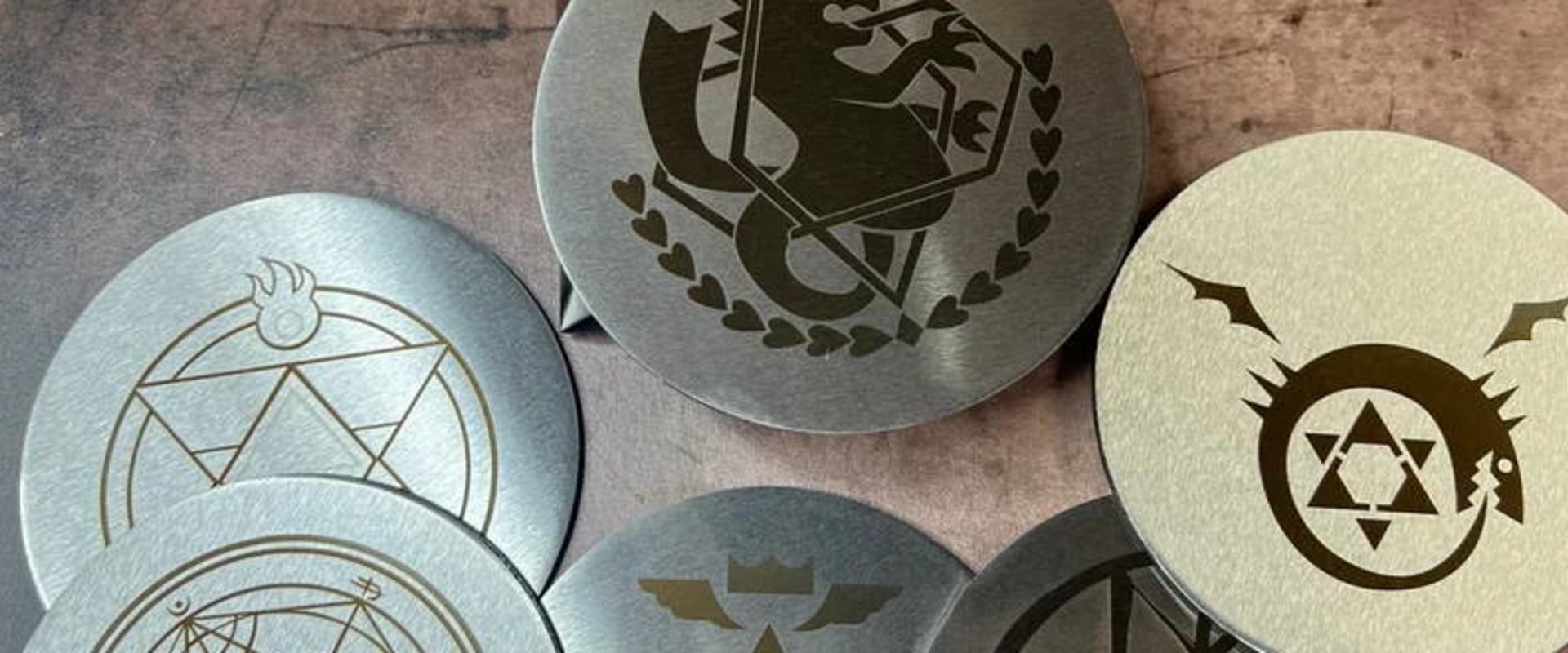
The significance of engraving spans across numerous fields, from personalized gifts and awards to industrial applications and artistic expressions. One of the most critical aspects of successful engraving lies in choosing the right metal, as different metals possess unique properties that affect durability, aesthetics, and the engraving method used. Stainless steel is one of the most popular choices for engraving due to its exceptional durability and resistance to corrosion. It is a versatile material often used in industrial applications, jewelry, and custom items. Its hardness allows for precise detailing during the engraving process, whether using traditional hand tools or modern laser engraving technologies.
While stainless steel can be challenging to engrave due to its toughness, using high-quality engraving bits or appropriate laser settings can yield excellent results. Brass offers a classic and elegant look, making it a favored choice for awards, plaques, and decorative items. Its malleability allows for intricate designs to be created with relative ease. Brass also has a warm golden hue that adds to its aesthetic appeal. Traditional hand engraving methods work exceptionally well on brass, allowing artisans to create detailed patterns.
However, care must be taken to avoid tarnishing; sealing the finished product with a protective coating can help preserve its appearance. For lightweight applications, aluminum is an excellent choice due to its lightweight nature and resistance to corrosion. Engraved aluminum is commonly found in signage, nameplates, and even some jewelry pieces. Its relatively soft surface makes it easier to engrave compared to harder metals like stainless steel. Both traditional engraving techniques and modern laser engravers perform well on aluminum; however, users should be mindful of potential melting or warping with high-powered lasers. Copper stands out with its unique aesthetic appeal and rich color variations ranging from reddish-brown to deep orange hues. nature and resistance to corrosion. Engraved aluminum is commonly found in signage, nameplates, and even some jewelry pieces. Its relatively soft surface makes it easier to engrave compared to harder metals like stainless steel. Both traditional engraving techniques and modern laser engravers perform well on aluminum; however, users should be mindful of potential melting or warping with high-powered lasers. Copper stands out with its unique aesthetic appeal and rich color variations ranging from reddish-brown to deep orange hues.
Its workability makes it suitable for intricate designs and artistic applications. However, copper can tarnish over time, which may require regular maintenance to keep it looking its best. When engraving copper, it’s essential to use appropriate tools, as it can be softer than other metals and may require a gentler touch during the engraving process. While discussing the types of metals suitable for engraving, it is also vital to recognize potential challenges associated with each material. For instance, harder metals like stainless steel may require specialized tools or techniques that differ from those used for softer materials such as brass or aluminum.
Overcoming these challenges often involves selecting the right tools based on the metal type and desired outcome. For example, using diamond-tipped bits or adjusting laser settings can significantly enhance precision and quality when working with tougher metals. The evolution of engraving techniques has introduced a stark contrast between traditional hand engraving methods and modern laser engraving technologies. Hand engraving allows for a personal touch and unique craftsmanship but can be time-consuming and requires significant skill. On the other hand, laser engraving offers rapid production capabilities with high precision and consistency across multiple pieces.
This technology also allows for complex designs that might be challenging to achieve by hand. Moreover, custom engraving services have become increasingly relevant in today's market, catering to various needs from personalized gifts to professional branding solutions. These services often utilize both traditional methods and advanced technologies to meet client specifications effectively. As noted by industry experts, "The choice of metal and engraving technique significantly impacts the final product's quality and longevity." This insight underscores the importance of understanding the properties of different metals when embarking on an engraving project. In summary, selecting the right metal for engraving is crucial to achieving desirable results. Whether one opts for the durability of stainless steel, the elegance of brass, the lightweight nature of aluminum, or the aesthetic appeal of copper, each metal brings its advantages and challenges to the table. This technology also allows for complex designs that might be challenging to achieve by hand. Moreover, custom engraving services have become increasingly relevant in today's market, catering to various needs from personalized gifts to professional branding solutions. These services often utilize both traditional methods and advanced technologies to meet client specifications effectively. As noted by industry experts, "The choice of metal and engraving technique significantly impacts the final product's quality and longevity." This insight underscores the importance of understanding the properties of different metals when embarking on an engraving project. In summary, selecting the right metal for engraving is crucial to achieving desirable results. Whether one opts for the durability of stainless steel, the elegance of brass, the lightweight nature of aluminum, or the aesthetic appeal of copper, each metal brings its advantages and challenges to the table.
By understanding how each metal responds to various engraving techniques and selecting appropriate tools for the task at hand, engravers can create stunning results tailored to specific needs.
Brass: Classic Aesthetic Appeal
Brass is a popular choice among engravers and artists due to its unique combination of beauty and practicality. This metal is an alloy primarily composed of copper and zinc, giving it a warm, golden tone that is both inviting and elegant. The aesthetic appeal of brass makes it a favored material for various applications, particularly in the realm of awards and decorative items. The engraving process on brass is notably rewarding. Its relatively soft composition allows for intricate designs and detailed patterns to be etched into the surface with ease.Whether using traditional hand engraving tools or modern laser technology, brass yields impressive results, making it a go-to option for personalized gifts and commemorative pieces. Beyond its visual charm, brass is also revered for its durability. Items crafted from brass can withstand the test of time, maintaining their aesthetic integrity even when exposed to the elements. This resilience, combined with its warm hue, has solidified brass as a staple in the creation of trophies, plaques, and decorative accents that celebrate achievements and milestones.
Aluminum: Lightweight and Versatile
Aluminum is a popular choice among engravers due to its remarkable lightweight nature and versatility. Its low density makes it easy to handle and transport, which is particularly beneficial for both artists and manufacturers who require mobility in their engraving projects.Whether creating intricate designs or large-scale installations, the lightweight characteristics of aluminum allow for greater flexibility in design and execution. In addition to its weight advantages, aluminum is compatible with a variety of engraving methods. It performs exceptionally well with both hand engraving techniques and modern methods such as laser engraving. The softness of the metal allows for precise detailing, making it ideal for artists who want to create fine lines and intricate patterns. Furthermore, when using laser engraving, aluminum responds beautifully, producing clean, crisp results that enhance the overall aesthetic of the engraved piece. Moreover, the versatility of aluminum extends beyond its physical properties.
It can be anodized or coated in various colors, allowing for creative expression while maintaining durability. This adaptability makes aluminum not only a practical choice but also an appealing one for those looking to produce eye-catching engravings.
Copper: Unique Look with Challenges
Copper is renowned for its vibrant reddish-brown hue, making it a popular choice for various artistic and decorative applications. Its unique color not only adds warmth but also provides a striking contrast to other materials, allowing engravings to stand out beautifully. The softness of copper is another appealing characteristic, as it allows for detailed and intricate designs to be engraved with relative ease. However, this same malleability presents certain challenges when it comes to engraving.While the softness makes it easier to carve into, it also means that the material can become easily distorted during the engraving process. This necessitates careful handling and technique to ensure that the integrity of the design is maintained. Additionally, due to its tendency to scratch and dent, engravings on copper require protective measures post-engraving to preserve their quality. In summary, while copper offers a unique aesthetic and the ability for detailed work, its softness and malleability pose challenges that must be considered when choosing it as a medium for engraving.
Stainless Steel: The Durable Choice
Stainless steel is a popular choice for engraving due to its remarkable properties that cater to both aesthetic and practical needs. This metal is known for its exceptional durability, making it an ideal option for various applications, particularly in personalized items. One of the standout features of stainless steel is its resistance to corrosion.Unlike other metals that can rust and degrade over time, stainless steel maintains its integrity even in challenging environments. This property is especially important for items that may be exposed to moisture or harsh conditions, such as jewelry, tools, and outdoor signage. In addition to its functional benefits, stainless steel also offers a sleek and modern aesthetic. Its shiny surface can be elegantly engraved, allowing for intricate designs and personalized messages that stand out beautifully. Common applications include engraved gifts, awards, and commemorative plaques, where both durability and appearance are key considerations. With advancements in engraving technology, including techniques like laser engraving, the precision achievable on stainless steel has greatly improved.
This allows for detailed artwork and text to be etched into the surface with remarkable clarity, enhancing the overall quality of the engraved item. In summary, stainless steel represents a durable choice for engraving projects, combining corrosion resistance with aesthetic appeal. Whether for personal keepsakes or professional applications, its versatility makes it an excellent material for various engraving needs.
Modern Techniques: Laser Engraving
Laser engraving is transforming the engraving industry, bringing with it unprecedented levels of precision and speed. This advanced method utilizes focused laser beams to etch or engrave designs onto various surfaces, making it an ideal choice for both intricate artwork and practical applications. One of the standout features of laser engraving is its ability to produce detailed designs with remarkable accuracy. Unlike traditional engraving techniques, which rely on physical tools to carve into materials, laser engraving can achieve fine lines and complex patterns that were once difficult or impossible to replicate.This precision not only enhances the aesthetic appeal of the finished product but also allows for customization at a level that meets the demands of modern consumers. In addition to precision, laser engraving is known for its rapid processing speed. The technology can quickly engrave large quantities of items without compromising on quality, making it a preferred choice for businesses that require high-volume production. This efficiency is particularly beneficial in commercial settings where time is a crucial factor. Furthermore, laser engraving is suitable for a wide range of metals, including stainless steel, aluminum, brass, and even precious metals like gold and silver. Each type of metal reacts differently to the laser, allowing for unique finishes and effects that can enhance the overall design.
This versatility makes laser engraving an attractive option for artists and manufacturers alike, as it accommodates various project requirements and creative visions. In summary, the advent of laser engraving has revolutionized the engraving industry by offering unmatched precision, speed, and adaptability across different metal types. As technology continues to evolve, we can expect even more innovative applications and techniques that will further enhance the art of engraving. In conclusion, we have explored various types of metals suitable for engraving, including stainless steel for its durability, brass for its classic aesthetic appeal, aluminum for its lightweight versatility, and copper for its unique look despite certain challenges. Additionally, we discussed the significance of modern techniques like laser engraving that have revolutionized the engraving process. The right choice of metal not only enhances the engraving process but also significantly impacts the final product's quality and appearance. Whether you are embarking on a personal project or seeking professional services, it is essential to consider your specific needs and preferences when selecting a metal for engraving.
By doing so, you ensure that your engraved piece meets both functional and aesthetic expectations.