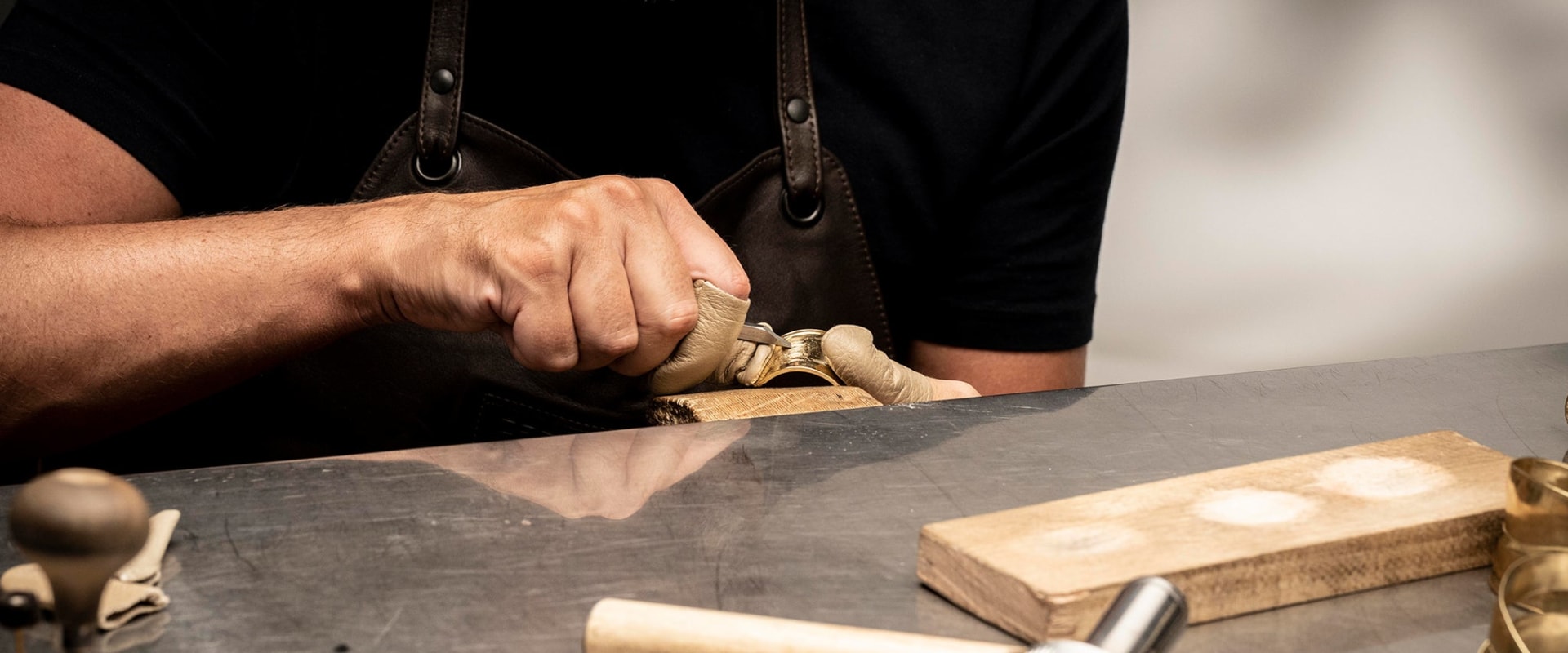
Hand engraving is a timeless craft that has captivated artisans for centuries, allowing them to transform ordinary materials into extraordinary works of art. Whether you are a seasoned engraver or a curious beginner, understanding the types of hand engraving toolstypes of hand engraving tools available can enhance your skills and elevate your creations. Each tool serves a unique purpose, and choosing the right one can make all the difference in the final outcome of your work. This article delves into the fascinating world of hand engraving tools, exploring the various types that every artisan should consider adding to their toolkit. From traditional chisels to modern graving pens, we will uncover the essential instruments that contribute to precision and artistry in engraving.
By familiarizing yourself with these tools, you'll be better equipped to tackle any project with confidence and creativity. Join us as we embark on this journey through the essentials of hand engraving. Whether you're looking to enhance your craft or simply appreciate the artistry behind it, our comprehensive guide will provide you with valuable insights and knowledge about the indispensable hand engraving tools that can help bring your artistic vision to life. Hand engraving is a time-honored craft that allows artisans to create intricate designs and personalize items in unique ways. With the right types of hand engraving tools, anyone can learn this delicate art. Understanding the various tools available is essential for achieving the desired results, whether you are engraving metal, wood, or glass. The most commonly used tools in hand engraving include burins, gravers, and other specialized tools.
Each of these categories serves a unique purpose and application in the engraving process.
Burins
are sharp, chisel-like instruments that allow for precise line work. They come in various shapes and sizes, making them suitable for different styles of engraving. For example, a flat burin can produce wide lines, while a pointed burin is ideal for fine details.Gravers
, on the other hand, are designed for more controlled and intricate work.They often have a variety of tip shapes, such as pointed or rounded, which allows the artist to create detailed designs with varying depths and textures. An example of a graver's application might be in creating ornate patterns on jewelry or decorative items where precision is critical. In addition to burins and gravers, there are specialized tools like rotary tools and v-tools. Rotary tools can be equipped with various bits for different effects, offering versatility for both beginners and seasoned engravers. A rotary tool, for instance, can be used for both engraving and polishing, making it an excellent choice for those looking to streamline their workflow.
V-tools are often used for creating deep grooves or outlines in materials, adding depth to designs. As technology advances, traditional hand tools have seen innovations that enhance their functionality. For instance, laser engraving has emerged as a modern alternative to hand engraving. While laser engraving offers speed and precision, it lacks the personal touch that hand engraving provides. Many artisans choose to incorporate both techniques, utilizing laser engravers for initial designs before finishing touches are applied by hand. For beginners venturing into the world of hand engraving, selecting the right tools is crucial.
Start by investing in a basic set of burins and gravers that cater to your preferred materials. Consider the type of projects you want to undertake; for instance, if you're interested in woodwork, specific chisels may be more suited than others. Maintenance is equally important; regularly sharpening your tools will ensure clean cuts and reduce frustration during projects. Additionally, always prioritize safety by wearing protective eyewear and working in a well-lit area. The choice of materials significantly impacts your tool selection and techniques.
Engraving on metal, such as brass or silver, requires different tools compared to softer materials like wood. For instance, while a pointed graver may work well on metal, a wider chisel might be better suited for softwoods. Similarly, when engraving glass, using diamond-tipped tools can yield beautiful results with intricate patterns. Beginners may face challenges such as uneven pressure or misalignment during their engraving projects. To overcome these issues, practice on scrap pieces before committing to your final project can be invaluable.
Additionally, developing a steady hand through repetitive practice will improve your skills over time. Engraving projects can vary widely in style and application. For example, creating personalized gifts like engraved picture frames showcases how different techniques can come together beautifully. Alternatively, crafting custom signs often calls for bold lettering and deep cuts that highlight the artisan's unique style. It’s also important to acknowledge that preferences regarding tools and techniques may differ among artisans. Some may prefer traditional methods with hand tools due to their tactile nature and the control they offer.
Others may advocate for modern innovations that enhance efficiency and precision. Both viewpoints hold merit; the best approach often depends on individual project requirements and personal preferences. In conclusion, understanding the various types of hand engraving tools, their functions, and applications will empower artisans at any skill level to embark on their engraving journey confidently. Whether embracing tradition or exploring modern techniques like laser engraving, the possibilities within this craft are boundless.
Choosing the Right Tool for Your Project
When it comes to hand engraving, selecting the right tools is crucial for achieving the desired results. The choice of tool often depends on the material type and the specific project requirements.Different materials such as metal, wood, glass, or plastic require distinct techniques and tools tailored to their unique properties. For instance, if you are working with metal, tools like burins or gravers are essential. These tools come in various shapes and sizes, allowing for precision and control in intricate designs. On the other hand, when engraving wood, a different set of tools such as chisels or rotary engravers may be more suitable, as they can handle the softer texture of wood and create more varied depths. When it comes to glass, diamond-tipped engraving bits are recommended for their ability to cut through the hard surface without shattering it. For softer materials like plastic, a simple handheld engraver might suffice, offering ease of use and versatility. In addition to considering the material, it's also important to assess the complexity of your project.
For detailed designs, finer tools that allow for intricate work are necessary, whereas larger projects might benefit from broader tools that can cover more surface area quickly. Ultimately, understanding the specific characteristics of each material and how they interact with different tools will enable artisans to select the most appropriate options for their engraving projects. By doing so, they can enhance their skills and achieve impressive results in their craft.
Custom Engraving Services
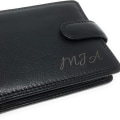
Custom engraving servicesCustom engraving services offer a unique way for individuals to personalize their items, whether it be jewelry, gifts, or memorabilia. These services allow customers to add a personal touch that reflects their style or commemorates special occasions. The process typically begins with an idea or design that the customer wishes to engrave onto their chosen item. When customers engage with custom engraving services, they can expect a consultation where they discuss their vision with the engraver.This may include selecting the type of font, size, and placement of the engraving. Many services also offer the option to provide custom designs or artwork to be engraved, allowing for even greater personalization. Once the design is finalized, the engraver will prepare the item for engraving. This may involve selecting the appropriate tools and techniques based on the material of the item and the intricacy of the design. Customers can often choose from a variety of materials, such as metal, glass, wood, or plastic, each requiring different engraving methods. The actual engraving process involves carefully etching or carving the design into the surface of the item.
Skilled artisans use precision tools to ensure that every detail is executed flawlessly. Customers can expect a high level of craftsmanship, as many engravers take great pride in their work. After the engraving is complete, the item is usually cleaned and polished to ensure it looks its best. Some services may also offer additional finishing options, such as adding color to the engraved areas or applying protective coatings. Overall, custom engraving services provide an opportunity for individuals to create meaningful keepsakes that can be cherished for years to come. Whether it’s for a wedding gift, a birthday present, or simply a treat for oneself, custom engraving adds a special touch that mass-produced items cannot replicate.
Types of Hand Engraving Tools
Hand engraving is a meticulous craft that relies on a variety of specialized tools to achieve precision and artistry.Understanding the different types of tools available is essential for artisans looking to create intricate designs. Here are some of the most commonly used hand engraving tools:Burins are fundamental tools in the engraving process. These tools feature a sharp, angled tip that allows for detailed line work and shading. Burins come in various sizes and shapes, making them versatile for different engraving styles.
Artisans often use burins for creating fine lines in metal, wood, and other materials.
Gravers
are another essential tool in hand engraving. Similar to burins, gravers have a pointed tip but are designed for deeper cuts. They can be used to create bold outlines or intricate patterns. There are several types of gravers, including flat gravers, round gravers, and square gravers, each suited for specific tasks.Chisels
are larger hand tools that are typically used for removing more material compared to burins and gravers.They come in various widths and profiles, allowing artists to carve out larger areas or create textured effects on their engravings. Chisels are particularly useful when working with softer materials like wood.
V-tools
, also known as V-groove chisels, are ideal for creating fine lines and detailed designs. The V-shaped tip allows for precise control, making them perfect for adding decorative elements or intricate lettering to an engraving. In addition to these primary tools, artisans may also utilize palettes, which assist in holding the work steady, and burnishers, which help to smooth the engraved surface after work is completed. Each tool plays a vital role in achieving different textures, depths, and effects in the art of hand engraving.Traditional vs.
Modern TechniquesWhen delving into the world of engraving, it is essential to understand the distinct traditional hand engraving methods and the advancements brought about by contemporary technologies such as laser engraving. Each approach offers unique benefits and challenges, catering to different preferences and project requirements.
Traditional hand engraving
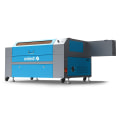
relies on time-honored techniques where artisans use specialized tools to carve designs into materials by hand. This method requires a high level of skill and precision, as engravers meticulously guide their tools to create intricate patterns and personalized touches. The tactile nature of this art form allows for a deep connection between the artisan and their work, often resulting in one-of-a-kind pieces that reflect the engraver's unique style. On the other hand, modern engraving technologies, like laser engraving, have revolutionized the industry by introducing speed and efficiency.Laser engraving machines utilize focused beams of light to etch designs into materials, offering unparalleled precision and the ability to replicate complex patterns effortlessly. This technology can handle a vast array of materials, from wood to glass, making it incredibly versatile. While traditional hand engraving emphasizes artistry and individual craftsmanship, modern methods prioritize efficiency and scalability. The choice between these techniques often depends on the specific needs of a project. For artisan crafters looking to infuse their creations with personal touches, traditional hand engraving remains unmatched.
In contrast, for businesses requiring mass production or intricate designs with quick turnaround times, laser engraving may be the preferred option. Ultimately, both traditional and modern engraving techniquesmodern engraving techniques hold significant value in the realm of craftsmanship. Understanding their differences allows artisans to choose the appropriate method that aligns with their artistic vision and project goals.
Engraving Projects for Beginners
Starting your journey in the world of hand engraving can be both exciting and rewarding. To help you build your skills and confidence, here are some beginner-friendly projects that will encourage practice while allowing you to explore different engraving techniques.1.Personalized Keychains
: A simple yet effective project is creating personalized keychains. Choose materials like wood or acrylic, and practice basic engraving techniques to carve names or initials.This project not only helps in refining your skills but also results in a functional item that you can use or gift.2.
Engraved Coasters
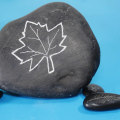
: Another great starting point is making engraved coasters. Using materials such as cork or stone, experiment with various patterns and designs. This project allows you to play with line work and shading, giving you a broader understanding of how different techniques can affect the final look.3.Decorative Picture Frames
: Transforming a plain picture frame into a personalized piece of art can be very fulfilling. Choose a wooden frame and engrave decorative borders or meaningful quotes.This will not only enhance your engraving skills but also create a unique home décor item.4.
Engraved Jewelry
: For those interested in personal accessories, try your hand at engraving simple jewelry pieces such as pendants or bracelets. Start with softer metals and engrave small symbols or initials. This project helps in developing precision and control over your tools.5.Customized Gifts
: Consider creating custom gifts for friends and family, such as engraved glassware or wooden boxes. This project is an excellent way to practice more intricate designs while making something special for someone else. Each of these projects allows you to practice different aspects of hand engraving, from basic line work to more complex designs.As you work on these items, remember that patience and practice are key to mastering the art of engraving. In conclusion, we have explored the types of hand engraving tools available for artisans and discussed the significance of selecting the right ones to enhance your engraving projects. Whether you prefer traditional techniques or are drawn to the innovations of modern methods, each tool serves a unique purpose in bringing your creative vision to life. Experimenting with different tools is essential in discovering your personal style and finding what works best for your artistic endeavors. Each project is an opportunity to refine your skills and embrace the intricacies of hand engraving. For those eager to delve deeper into this art form, consider seeking out local workshops or connecting with experienced engravers who can provide guidance and inspiration. Further resources, such as books or online courses, can also enrich your understanding and technique.