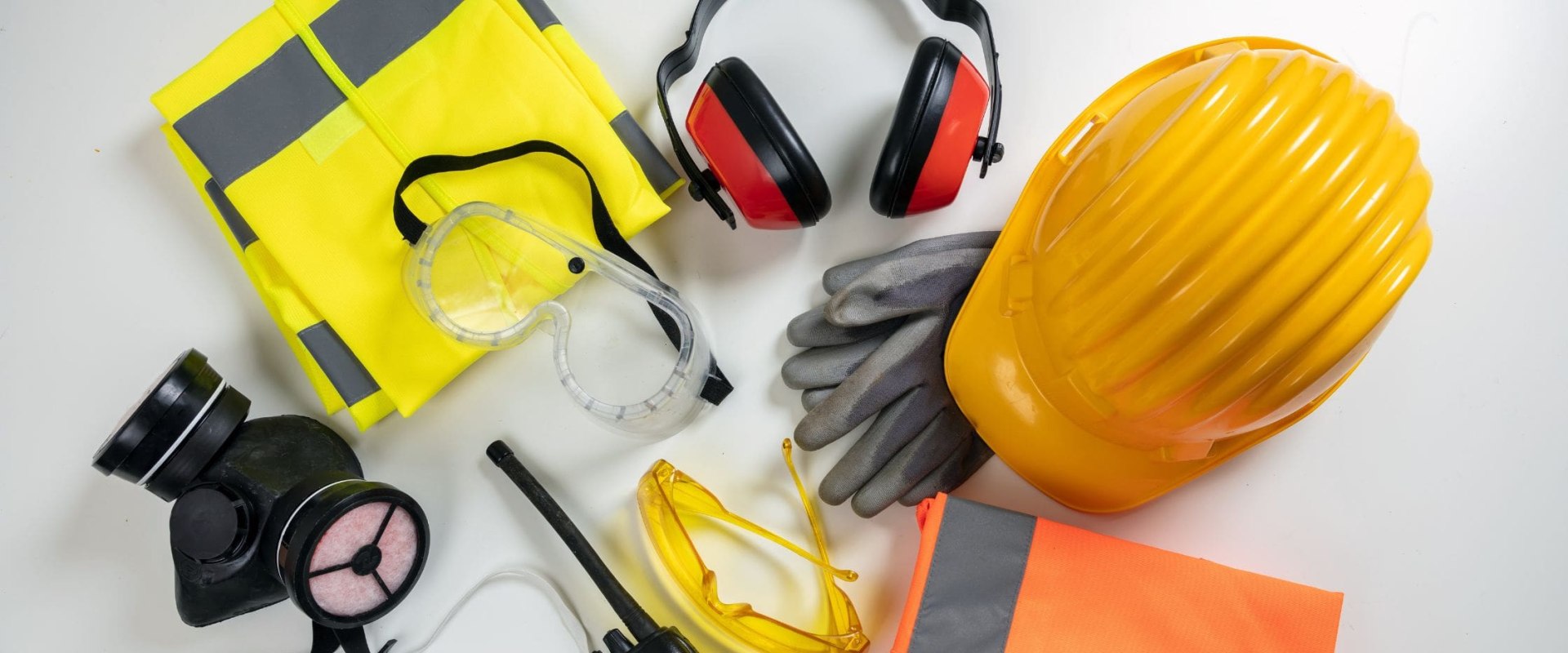
As a beginner engraver, diving into the world of artistry and craftsmanship can be both thrilling and overwhelming. The intricate designs and detailed work required in engraving demand not only skill and creativity but also a keen awareness of safety practices. One often overlooked aspect of this craft is the importance of wearing the right safety gear.Engraving involves the use of various tools and materials that, while enabling you to create stunning pieces, can also pose significant risks if proper precautions are not taken. From flying debris to harmful dust particles, the potential hazards can lead to serious injuries or long-term health issues.
Therefore, understanding what safety gear is essential for engravers is crucial for protecting yourself while honing your craft. This article will guide you through the necessary safety gear for engravers, ensuring that you are well-equipped to tackle any project safely. Whether you are working with metal, wood, or glass, having the right equipment can make all the difference in your engraving journey. So let’s delve into the essentials and help you create beautiful engravings without compromising your health!Engraving is a meticulous craft that involves both traditional methods and modern technologies, each with its own unique set of risks. Understanding the importance of safety in engraving is paramount, as it can prevent injuries and enhance the overall engraving experience.
Safety gear for engravers is not just an accessory; it is essential for protecting oneself from various hazards associated with the craft. This article will delve into the different types of safety gear necessary for engravers, ensuring that you are well-equipped to tackle your projects safely. One of the most critical components of personal protective equipment (PPE) for engravers is safety goggles. Whether you are using a traditional engraving tool or a modern laser engraver, your eyes are at risk from flying debris, sharp metal shards, or harmful light emissions. For instance, when engraving metals, tiny shards can easily become airborne and pose a serious threat to your vision.
Safety goggles provide a protective barrier that keeps your eyes safe from these potential hazards. It is vital to choose goggles that fit well and offer adequate coverage to prevent any gaps where particles can enter. Another essential item is gloves. Engravers often work with sharp tools and materials that can cause cuts and abrasions. Gloves not only protect your hands from injuries but also provide a better grip on tools and materials, enhancing your control during the engraving process.
When working with metals, the risk of sharp edges is particularly high; thus, wearing cut-resistant gloves can significantly reduce the likelihood of injury. However, it's important to choose gloves that allow for dexterity so you can maintain precision in your work. In addition to goggles and gloves, masks play a crucial role in ensuring your safety as an engraver. When using power tools or laser engravers, harmful fumes and dust can be generated, which are detrimental to your respiratory health. A properly fitted mask can filter out these harmful particles, allowing you to breathe safely while you work.
For instance, when using chemical etching solutions or certain types of wood or plastic materials, a mask becomes indispensable to prevent inhalation of toxic fumes. It is also important to recognize the differences in safety gear needed for traditional versus modern engraving techniques. Traditional engraving often involves manual tools and techniques that may produce physical debris but generally present less risk of exposure to harmful fumes. However, even traditional methods require basic PPE like gloves and goggles due to the risk of cuts and flying debris. In contrast, modern engraving techniques such as laser engraving involve high-intensity lights and potentially toxic fumes from materials being engraved.
This necessitates a more comprehensive approach to safety gear, including specialized masks designed to filter out harmful vapors. While some may underestimate the need for certain safety equipment, it is crucial to understand that neglecting safety precautions can lead to severe consequences. Engraving should be an enjoyable and rewarding experience; however, overlooking proper safety gear can transform it into a hazardous endeavor. For example, failing to wear safety goggles while working with a high-speed rotary tool could lead to serious eye injuries from metal shards or dust particles. When choosing the right gear based on the type of engraving being performed, consider factors such as the materials involved and the specific techniques being used. For instance, if you’re primarily working with metals or glass, investing in heavy-duty cut-resistant gloves and impact-resistant goggles would be wise.
Conversely, if you’re focused on laser engraving softer materials like wood or acrylics, ensure your mask is designed to filter out organic vapors while still allowing for visibility. In summary, equipping yourself with appropriate safety gear for engravers is not merely an option; it is a necessity that enhances both safety and performance in your craft. From protective goggles and gloves to masks tailored for specific risks, each piece of equipment plays a vital role in safeguarding your health while allowing you to express your creativity through engraving.
Protective Eyewear
When engaging in engraving, whether it be traditional methods or modern laser techniques, the importance of protective eyewear cannot be overstated. Engraving processes often involve the use of tools that can produce flying debris, which poses a significant risk to your eyes. Without appropriate eye protection, even a small particle can cause serious injury, leading to long-term vision problems. Safety goggles or glasses designed specifically for engraving are essential.They provide a barrier against dust, metal shards, and other materials that may become airborne during the engraving process. Moreover, many protective eyewear options come with additional features such as anti-fog coatings and UV protection, enhancing both comfort and safety. Investing in a good pair of protective eyewear not only safeguards your eyes but also allows you to focus on your craft without the constant worry of injury. By prioritizing your eye safety, you can enjoy a more confident and efficient engraving experience.
Hearing Protection
Engraving can involve a variety of tools and machines that produce significant noise levels, making hearing protection an essential component of safety gear for engravers. In particular, when using power tools such as rotary engravers, laser cutters, or CNC machines, the sound produced can reach levels that may lead to hearing damage over time.It is crucial to assess the noise level of your working environment. If you find yourself in a loud environment, or if you are engaged in specific engraving processes that generate excessive noise, wearing ear protection becomes necessary. Options like earplugs or earmuffs can effectively reduce sound exposure, allowing you to work comfortably and safely. Furthermore, remember that prolonged exposure to loud sounds can not only affect your hearing but also lead to increased stress and fatigue. Therefore, investing in quality hearing protection is a wise choice for both your health and your engraving experience.
Respiratory Protection
When engaging in engraving, particularly with materials that release harmful dust or fumes, respiratory protection is crucial.Engraving processes can involve substances such as plastics, metals, and chemicals that can produce fine particles or toxic vapors. Therefore, understanding when to wear a mask or respirator is essential for your safety. For instance, if you are using power tools that generate significant dust, such as laser engravers or rotary tools, it's advisable to use a mask designed to filter out fine particles. These masks can help prevent respiratory issues caused by inhaling dust that can lead to conditions like silicosis or chronic bronchitis. Additionally, when working with chemicals—such as solvents used in the engraving process—wearing a respirator is necessary. Many engraving materials emit harmful fumes that can irritate the respiratory system or pose long-term health risks.
A good-quality respirator will provide protection against these harmful substances, ensuring you can work safely and effectively. In summary, always assess your work environment and the materials you are using. If there is any risk of inhaling harmful particles or fumes, don’t hesitate to equip yourself with appropriate respiratory protection. Your health should always come first!
Hand Protection
When engaging in engraving, protecting your hands is of utmost importance. The nature of engraving involves working with various materials, each presenting unique risks.Cut-resistant gloves are essential for safeguarding against sharp tools and edges that can lead to injuries. For traditional engraving methods, such as using chisels or burins, look for gloves made from high-dexterity materials that allow for precise movements while still providing adequate protection.
Leather gloves
are often recommended for their durability and resistance to cuts. When working with modern engraving tools, like lasers or CNC machines, it’s crucial to choose gloves that offer heat resistance as well.Heat-resistant gloves
, often made from specialized synthetic materials, can protect your hands from burns caused by hot surfaces or equipment. Additionally, when handling sharp materials like glass or metals, you should consider high-performance cut-resistant gloves, which are rated for their ability to withstand cuts while maintaining flexibility and comfort. These gloves usually feature a blend of fibers designed to provide superior protection without sacrificing dexterity. Always remember that the right choice of gloves not only protects your hands but also enhances your overall engraving experience, allowing you to work confidently and safely.Work Environment Safety
Creating a safe workspace is crucial for engravers, as it minimizes risks and enhances overall safety during the engraving process.Start by ensuring that your workspace is well-lit and free from clutter. A clean area allows for better visibility and reduces the chances of accidents caused by tripping or knocking over tools. Organize your tools and materials systematically. Use labeled storage bins or drawers to keep items organized, making it easier to find what you need without rummaging through a messy area. This not only saves time but also limits distractions that could lead to accidents. Implement a designated work zone for engraving activities.
If possible, create a specific area in your workshop where all engraving tasks are performed. This helps contain any hazards related to dust, debris, or noise, providing a safer environment for both you and others nearby. Ensure proper ventilation in your workspace, especially if you're working with materials that produce fumes or dust. Use exhaust fans or open windows to keep air circulating. Consider wearing a respirator if you're working with materials that generate harmful particles. Lastly, always keep a first aid kit accessible in your workspace.
Being prepared for minor injuries can make a significant difference in ensuring safety while engraving. Regularly check the kit to replenish any used items. In conclusion, the importance of safety gear for engravers cannot be overstated. Throughout this article, we have discussed various essential protective equipment including protective eyewear, hand protection, respiratory protection, and hearing protection, as well as the significance of maintaining a safe work environment. Engraving, whether traditional or modern, poses various risks that can lead to serious injuries if proper precautions are not taken. By investing in high-quality safety gear, you not only protect yourself but also enhance your overall engraving experience.
Remember, a safe engraver is a productive engraver. We encourage you to prioritize your safety and well-being in your engraving journey by equipping yourself with the right tools and knowledge.