Engraving is a fascinating art form that has captivated artisans and hobbyists alike for centuries. Whether you're looking to create personalized gifts, decorative pieces, or even professional-quality items, the journey into engraving can be both rewarding and challenging. However, like any craft, it comes with its own set of common mistakes beginners make in engraving. Understanding these pitfalls can save you time, frustration, and resources as you hone your skills. As you embark on your engraving journey, it's crucial to recognize that every expert was once a beginner.
The learning curve may seem steep, but by avoiding these common errors, you can accelerate your progress and enhance the quality of your work. From choosing the wrong tools to improper techniques, many mistakes can hinder your ability to achieve the stunning results you desire. In this article, we will explore the top mistakes that novice engravers often encounter, providing insights and tips to help you navigate the initial stages of your engraving adventure. By arming yourself with this knowledge, you’ll be better prepared to tackle challenges head-on and ultimately produce beautiful engraved pieces that reflect your unique style and creativity. So whether you're picking up an engraving tool for the first time or have already dabbled in the craft, read on to discover how to avoid these common missteps and set yourself on a path toward engraving success!Engraving can be a thrilling and fulfilling hobby or profession, allowing for the creation of beautiful, personalized items. However, many beginners often encounter hurdles that can lead to frustration and dissatisfaction with their results.
This article aims to shed light on the common mistakes beginners make in engraving and provide valuable insights to help them succeed in their engraving journey. One of the most significant errors beginners make is not choosing the right tools. Engraving requires specific tools tailored to different materials and techniques. For instance, using a tool that is not suited for the material being engraved can lead to subpar results. For example, if a beginner uses a rotary tool with an inappropriate bit for metal engraving, they may end up with uneven lines or even damage the material.
Selecting the right tools is crucial, as it directly affects the precision and quality of the engraving. Another common mistake is neglecting material properties. Each material has unique characteristics that can greatly influence the engraving process. Beginners might not consider how different materials react to engraving techniques. For instance, wood engraves differently than glass or metal; each requires specific settings and techniques.
Not understanding these properties can result in poor-quality engravings or wasted materials. It's essential for beginners to familiarize themselves with the materials they plan to use to achieve optimal results. Furthermore, many beginners underestimate the importance of design. A well-thought-out design is fundamental to a successful engraving project. Beginners may rush into engraving without creating a clear plan or mock-up, leading to designs that are poorly executed or not visually appealing.
For example, intricate designs may require careful planning regarding line thickness and spacing. A lack of preparation can result in wasted time and materials, as well as frustration when the final product does not meet expectations. It's also vital for beginners to recognize the necessity of testing on scrap material before beginning their actual project. Skipping this step can lead to unexpected issues during the engraving process. For instance, if a beginner starts engraving directly onto their final piece without testing their settings, they may face problems such as burning or chipping the material.
Testing allows for adjustments to be made, ensuring that the settings are appropriate for the chosen material. While some may argue that trial and error is an effective way to learn engraving, it's crucial to acknowledge that having foundational knowledge can save both time and resources. Beginners who take the time to educate themselves about best practices and common pitfalls are likely to achieve better results more quickly than those who rely solely on experimentation. Understanding these common mistakes helps create a smoother learning curve and enhances overall satisfaction with the engraving process. In conclusion, being aware of these common mistakes beginners make in engraving can significantly impact the quality of the work produced. By choosing the right tools, understanding material properties, emphasizing design, and testing on scrap materials, beginners can avoid many pitfalls that lead to frustration and disappointment.
Engraving is an art form that thrives on precision and attention to detail; thus, learning from these mistakes will undoubtedly pave the way for success in this rewarding craft.
Choosing the Wrong Tools
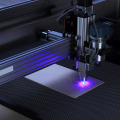
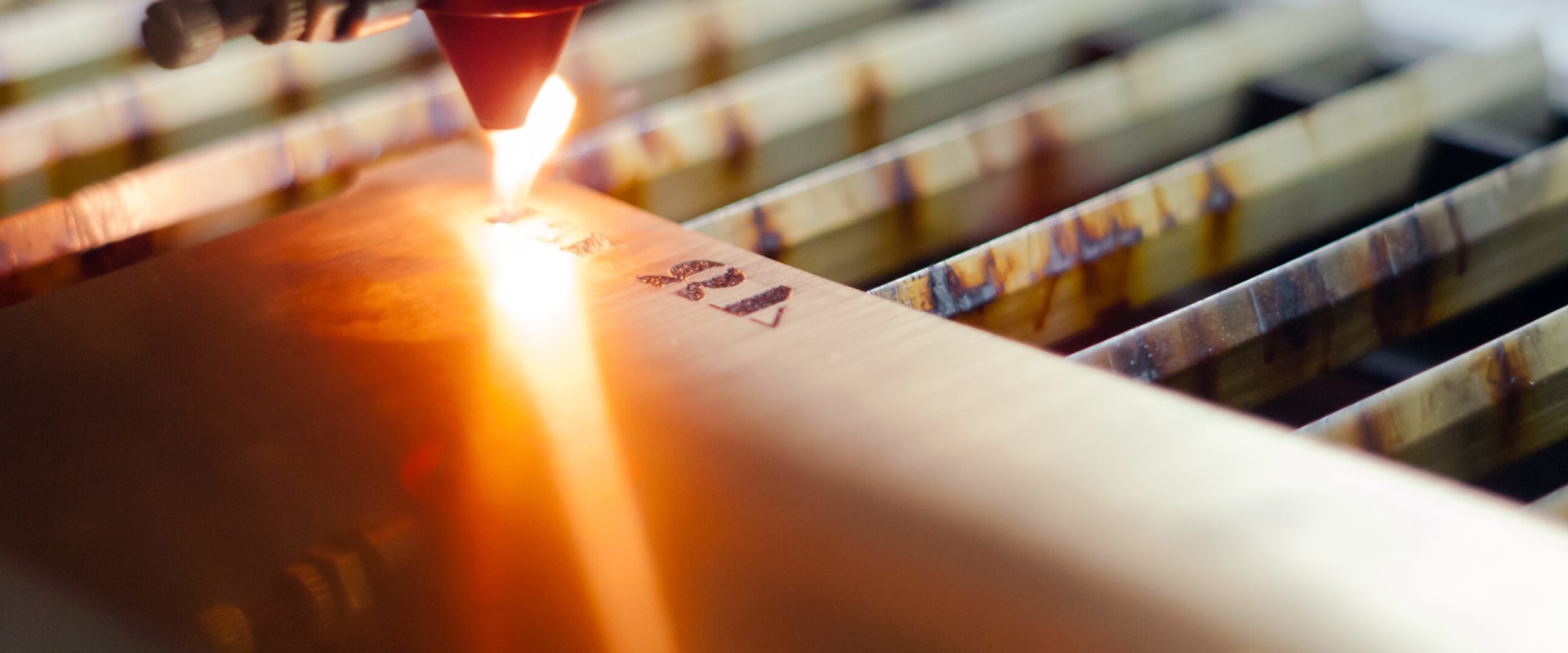
One of the most common mistakes beginners make in engraving is not selecting the right tools for their projects. The choice of engraving tools can significantly impact the quality and precision of the finished piece. Different materials require different types of tools; for instance, using a diamond-tipped bur for glass engraving will yield much better results than a standard metal bur. Similarly, wood engraving may require different chisels or rotary tools than those used for metal. It’s also essential to consider the techniques you plan to use. is not selecting the right tools for their projects. The choice of engraving tools can significantly impact the quality and precision of the finished piece. Different materials require different types of tools; for instance, using a diamond-tipped bur for glass engraving will yield much better results than a standard metal bur. Similarly, wood engraving may require different chisels or rotary tools than those used for metal. It’s also essential to consider the techniques you plan to use.For example, if you're interested in hand engraving, investing in high-quality hand tools is crucial. On the other hand, if you're leaning towards laser engraving, understanding the specifications and capabilities of your laser machine is vital to achieve desired outcomes. Moreover, using tools that are not suited for a specific material can lead to frustration, wasted time, and unsatisfactory results. Beginners should take the time to research and understand which tools are best suited for their chosen materials and engraving techniques. This not only helps in avoiding mistakes but also enhances the overall engraving experience. By investing in the right tools from the beginning, beginners can set themselves up for success in their engraving journey.
Neglecting Design Planning
One of the most critical common mistakes that beginners make in engraving is neglecting design planning.Before you even pick up your engraving tool, it's essential to have a clear and well-thought-out design. Rushing into the process without a plan can lead to errors, wasted materials, and frustration. A well-prepared design not only enhances the overall aesthetic of your engraved piece but also helps you understand the intricacies of the engraving process itself. Consider sketching your ideas on paper or using design software to visualize your project.
This step allows you to experiment with different layouts, fonts, and patterns before committing to the final design. Moreover, planning your design helps in choosing the right materials and tools for the job. Different designs may require specific types of engraving tools or techniques, and having a clear plan can save you time and effort during the actual engraving process. By taking the time to plan your design thoroughly, you'll set yourself up for success and create a finished product that you're proud of.
Skipping Practice on Scrap Material
One of the most common mistakes beginners make in engraving is skipping practice on scrap material. When starting out, it can be tempting to dive right into a project using your best materials.However, this approach can lead to costly errors and frustration. Engraving requires a delicate touch and a solid understanding of how different materials respond to your tools. By practicing on scrap pieces, beginners can experiment with techniques, get a feel for their tools, and learn how to control their movements without the pressure of ruining an important piece. Using scrap material allows you to make mistakes and learn from them without the fear of wasting valuable resources. It also helps in building confidence and honing skills, which are crucial for achieving precise and professional results in your final projects. Additionally, practicing on scrap can help you discover the optimal settings for your engraving machine, understand the impact of different speeds and depths, and become familiar with the types of materials you will be working with. So, next time you feel eager to start an engraving project, remember the importance of practicing on scrap material first!
Ignoring Material Properties
One of the most significant common mistakes beginners make in engraving is ignoring material properties.Different materials react uniquely to various engraving methods, and understanding these differences is crucial for achieving the desired results. For instance, when engraving wood, factors such as the type of wood and its grain can greatly affect the outcome. Softer woods may engrave more easily and produce a smoother finish, while harder woods may require more power and precision. Beginners should also be aware that different types of wood can vary in color and texture, influencing how the engraving appears once completed. When it comes to metal, such as aluminum or stainless steel, the hardness and thickness of the material play a critical role in determining the appropriate engraving technique. For example, laser engraving on metal typically requires different settings compared to rotary engraving.
Failing to adjust these settings may result in poor quality engravings or even damage to the material. Lastly, engraving on glass presents its own set of challenges. Glass can shatter if engraved too aggressively, which makes it essential for beginners to use the right tools and techniques. Additionally, the type of glass can affect how light interacts with the engraved surface, impacting the final appearance. In summary, recognizing and understanding the properties of different materials—whether it be wood, metal, or glass—is vital for beginners to avoid common mistakes and achieve successful engravings.
Overlooking Safety Precautions
Engraving can be an exhilarating and fulfilling hobby, but it also comes with its own set of risks.Safety precautions
are essential to ensure that your engraving experience is enjoyable and free from accidents. First and foremost, always wear appropriate personal protective equipment (PPE).This includes safety goggles to protect your eyes from flying debris, and a dust mask to avoid inhaling particles created during the engraving process.
Hearing protection
is also advisable when using loud machinery. Additionally, ensure that your workspace is well-ventilated. Many engraving materials can produce harmful fumes or dust, which can be detrimental to your health if inhaled over long periods. A well-ventilated area will help mitigate these risks. It’s also crucial to keep your work area organized and free of clutter.A clean workspace reduces the chances of accidents, such as tripping over tools or materials. Make sure to store tools safely when they are not in use. Furthermore, familiarize yourself with the tools you are using. Each engraving tool has specific operational guidelines. Following the manufacturer's instructions can prevent misuse and accidents. Lastly, don’t forget to take regular breaks.
Engraving can be a time-consuming task, and fatigue can lead to mistakes or accidents. Taking breaks will help you maintain focus and energy throughout your engraving project. By adhering to these safety measures, beginners can create a safer environment while honing their engraving skills. In conclusion, we have explored several common mistakes beginners make in engraving, including choosing the wrong tools, ignoring material properties, neglecting design planning, overlooking safety precautions, and skipping practice on scrap material. Each of these pitfalls can hinder your progress and diminish the quality of your work. However, by acknowledging and learning from these errors, you can significantly improve your engraving skills and achieve more satisfying results.
Remember that engraving is an art that requires patience and consistent practice. Embrace the journey, and don’t hesitate to experiment and learn as you go.