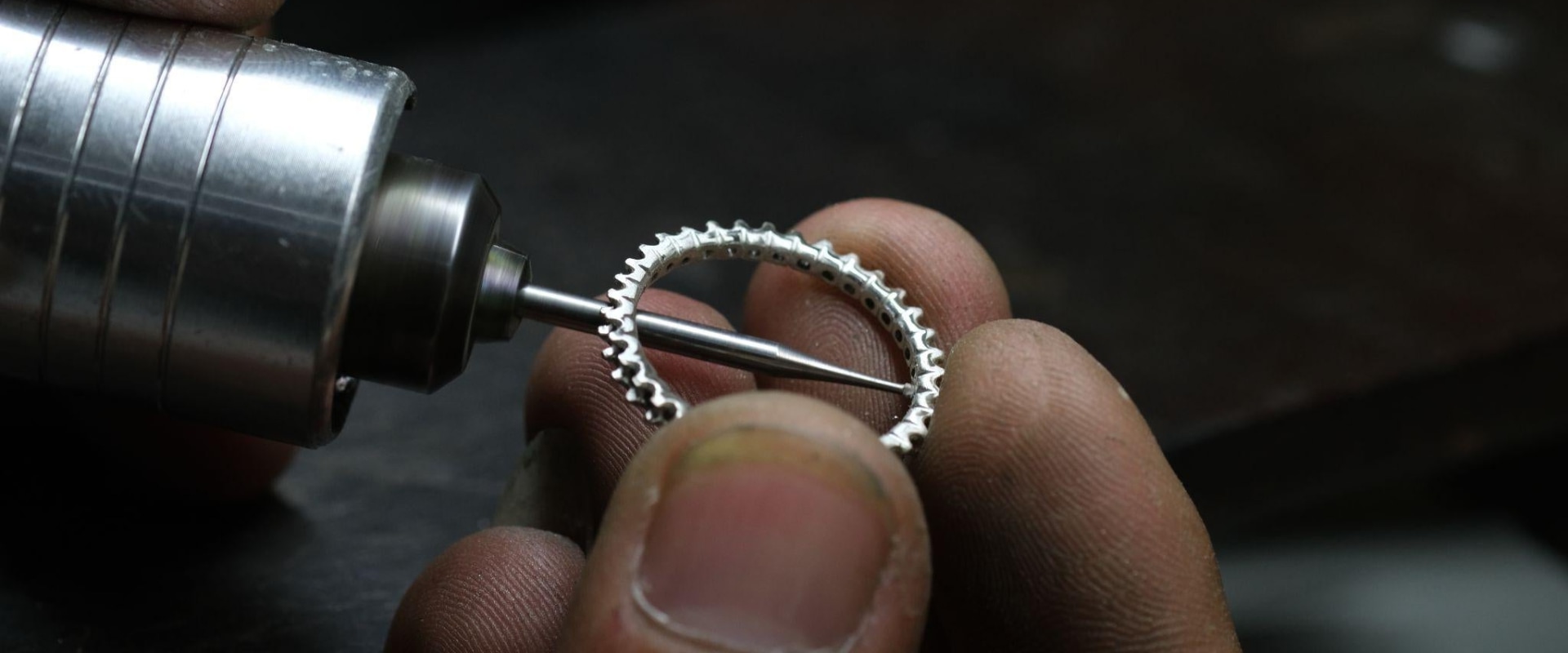
In the ever-evolving world of craftsmanship, laser engraving in jewelry makinglaser engraving in jewelry making has emerged as a revolutionary technique that combines precision, artistry, and innovation. The delicate art of transforming raw materials into stunning pieces of jewelry has taken on a new dimension with the advent of laser technology. This method not only enhances the aesthetic appeal of jewelry but also opens up a realm of possibilities for personalization and intricate designs that were previously unattainable. The allure of laser engraving lies in its ability to create detailed patterns and inscriptions with remarkable accuracy. Whether it's a heartfelt message, a significant date, or an elaborate design, the laser's precision allows artisans to bring their creative visions to life.
As we delve deeper into this fascinating subject, we will explore how laser engraving has changed the landscape of jewelry making, providing both jewelers and customers with unprecedented opportunities for customization. Join us on this journey as we uncover the techniques, benefits, and artistic potential of laser engraving in jewelry making. From its historical roots to modern applications, this article will illuminate how this technology is shaping the future of jewelry design. Discover how you can embrace this art form to create meaningful pieces that resonate with individuality and style. In the realm of jewelry making, laser engraving has emerged as a transformative technique, allowing for unparalleled precision and customization. Engraving, in general, has a rich history, with various methods employed to etch designs onto surfaces.
Traditional techniques include hand engraving, where artisans skillfully carve designs by hand using specialized tools, and machine engraving, which employs mechanical devices to achieve intricate patterns. While both methods have their merits, they often require significant time and expertise. In contrast, laser engraving utilizes focused laser beams to create designs with remarkable accuracy, making it an appealing choice for modern jewelers. The tools employed in the engraving process vary significantly based on the method chosen. For traditional engraving, artisans rely on tools such as gravers and burins, which demand a high level of skill to manipulate effectively.
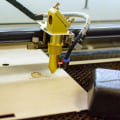
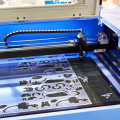
On the other hand, laser engravers are sophisticated machines that use computer-aided design (CAD) software to produce precise designs. These machines can engrave a variety of materials including metals like gold and silver, woods, and even acrylics. The functionality of a laser engraver allows for quick adjustments and modifications, enabling jewelers to experiment with different designs without the risk of damaging the material. As the popularity of laser engraving grows, so does the availability of custom engraving services. Many jewelers now offer personalized engraving options, providing customers with the opportunity to add meaningful text or designs to their jewelry pieces. grows, so does the availability of custom engraving services. Many jewelers now offer personalized engraving options, providing customers with the opportunity to add meaningful text or designs to their jewelry pieces.
To find such services, one can explore local jewelers or online platforms that specialize in custom jewelry. When opting for these services, it's essential to communicate clearly about your design vision and understand what to expect regarding turnaround times and costs. When it comes to design ideas for laser engraving, the possibilities are nearly limitless. Popular applications include personalizing items like rings, pendants, and bracelets with names, dates, or even intricate symbols that hold significance for the wearer. Engraving on different materials can yield varied aesthetic outcomes; for instance, metal engravings provide a sleek and polished look while wood engravings can offer a rustic charm.
Acrylic is another versatile medium that can be engraved to create stunning contrasts and effects. For beginners interested in diving into the world of laser engraving, there are several practical considerations to keep in mind. Firstly, it’s essential to choose the right software for designing your engravings; programs like Adobe Illustrator or CorelDRAW are popular choices among professionals due to their robust features. Furthermore, learning how to create vector files is crucial since laser engravers operate best with this type of design format. For those who may not have graphic design experience, many online resources offer templates and tutorials to help you get started. Popular jewelry items that benefit from laser engraving include wedding bands, where couples often choose to inscribe their vows or meaningful quotes inside the ring.
Pendants can be personalized with initials or symbols that represent significant life events, while bracelets can carry coordinates or dates that mark important milestones. Each piece serves as a unique expression of individuality. Despite its advantages, some potential concerns or misconceptions about laser engraving compared to traditional methods persist. One common belief is that laser engraving lacks the personal touch of hand engraving; however, many jewelers argue that laser technology allows for a new level of creativity and detail that may not be possible with hand tools alone. Additionally, some worry about the durability of laser-engraved designs; when executed properly on quality materials, these engravings can be just as long-lasting as those made by traditional methods. In summary, the art of laser engraving in jewelry making offers exciting possibilities for personalization and precision.
With advancements in technology allowing for greater customization options and efficiency, it’s no wonder that this technique has gained immense popularity among both jewelers and consumers alike. Laser engraving in jewelry making has revolutionized the way artisans approach personalization and design. Traditionally, jewelers relied on methods such as hand engraving, which requires a high level of skill and precision, and machine engraving, which utilizes a mechanical system to carve designs into materials. While these methods are effective, they often lack the intricate detail and customization that laser engraving offers. When comparing engraving techniques, hand engraving involves using specialized tools to carve designs directly into the jewelry piece. This method is time-consuming and requires significant expertise but allows for unique, one-of-a-kind designs. offers. When comparing engraving techniques, hand engraving involves using specialized tools to carve designs directly into the jewelry piece. This method is time-consuming and requires significant expertise but allows for unique, one-of-a-kind designs.
Machine engraving, on the other hand, employs automated tools that can replicate designs quickly and accurately, making it efficient for mass production. However, both traditional methods can fall short in terms of precision and versatility compared to laser engraving.
Laser engravers
operate using focused beams of light to etch or cut materials with remarkable accuracy. These machines are equipped with advanced technology that enables them to execute intricate designs with clean edges and fine details. Unlike traditional methods, laser engraving can easily adjust settings for various materials, including metals, wood, and acrylic, allowing for diverse applications in jewelry making. For those interested in custom engraving services, there are numerous options available.Many local jewelers offer laser engraving as part of their services, while online platforms provide opportunities to upload designs and receive personalized pieces delivered to your door. When seeking custom engraving, it’s essential to review samples of previous work to ensure quality. Clients should expect detailed consultations regarding design ideas and material selection to achieve their desired results. The versatility of laser engraving allows for an array of design ideas and applications across different materials. For instance, metal jewelry items such as rings can feature intricate patterns or personalized messages that resonate with the wearer.
Pendants can be adorned with special dates or names, while bracelets can showcase motivational quotes or symbols that carry personal meaning. Additionally, wood and acrylic pieces can be transformed through laser engraving, lending a natural yet sophisticated look to custom jewelry. Beginners looking to dive into laser engraving should start by familiarizing themselves with the necessary software used for design creation. Programs such as Adobe Illustrator or CorelDRAW are popular choices that allow users to create detailed vector graphics suitable for engraving. Once the design is ready, practical considerations such as material selection and machine settings must be addressed to ensure optimal results.
It’s advisable for newcomers to practice on less expensive materials before progressing to precious metals. Popular jewelry items that benefit significantly from laser engraving include rings, pendants, and bracelets. These items lend themselves well to personalization, making them ideal for gifts or commemorative pieces. For example, a wedding band can be engraved with the couple’s initials or wedding date, while a pendant could feature a loved one’s name or a meaningful quote. Bracelets can also be customized with coordinates of special locations or symbolic imagery that reflects personal stories. Despite the advantages of laser engraving, some may harbor misconceptions regarding its effectiveness compared to traditional methods.
One common concern is that laser engraving lacks the artisan touch associated with hand-engraved pieces. However, many skilled jewelers utilize laser engravers alongside hand techniques to create hybrid designs that combine the best of both worlds. Additionally, the precision offered by laser technology often results in cleaner lines and more intricate patterns than what is achievable through manual methods. In conclusion, laser engraving in jewelry making represents a modern approach that caters to the growing demand for personalized accessories. As technology continues to advance, the possibilities for customization are virtually limitless, making it an exciting time for both consumers and creators in the world of jewelry.
Custom Engraving Services
When it comes to custom engraving services, there are numerous options available for jewelry makers and enthusiasts alike.Many professional jewelers now offer laser engraving as part of their services, allowing clients to personalize their pieces with intricate designs, names, or dates. This technology not only provides a high level of precision but also opens up a world of creative possibilities. To find reliable custom engraving services, start by researching local jewelry stores that have invested in modern engraving technology. Many of these businesses showcase their work online, allowing you to view examples of previous engravings to assess their quality. Additionally, consider checking online platforms that specialize in custom jewelry, as they often provide comprehensive engraving options that cater to individual tastes. Another avenue worth exploring is freelance artists or small businesses that focus on personalized jewelry.
These artisans may offer unique styles and techniques that differ from mass-produced items, giving your jewelry a one-of-a-kind touch. Online marketplaces such as Etsy feature many talented engravers who can bring your ideas to life. When selecting a custom engraving service, ensure you communicate your vision clearly. Discuss the materials, font styles, and design elements you want to incorporate. It's also wise to inquire about turnaround times and any warranty or guarantee on the work performed.
By doing thorough research and asking the right questions, you can find the perfect service to create personalized pieces that truly reflect your individuality.
Essential Tools for Engraving
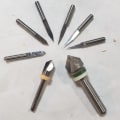
Engraving jewelry has evolved significantly with the introduction of laser engraving technology, but both traditional and modern methods require specific tools. Understanding these tools is essential for any jeweler looking to enhance their craft. For traditional engraving, jewelers typically use a variety of hand tools that include gravers, burins, and chisels. Each tool serves a unique purpose, allowing artisans to create intricate designs by hand.Gravers
are pointed tools used for incising lines and patterns on metal surfaces, while burins are designed for more detailed work.Chisels can be utilized for broader cuts and deeper engravings. In contrast, laser engraving employs advanced technology that uses focused laser beams to etch designs onto various materials with incredible precision. The essential tools for this process include a laser engraving machine, which consists of a laser source, a control system, and a work surface. The choice of laser type—whether CO2 or fiber—affects the materials that can be engraved and the depth of the engraving. Additionally, operators of laser machines utilize software programs for design creation and file management. These programs allow jewelers to create intricate digital designs that can be easily modified before being sent to the laser engraver.
Other necessary accessories include safety gear such as goggles, and maintenance tools to ensure the laser machine operates efficiently. Both traditional and laser engraving methods offer unique advantages, but the right tools are crucial for achieving high-quality results in jewelry making.
Applications of Laser Engraving on Various Materials
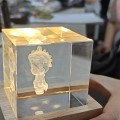
Laser engraving has revolutionized the world of jewelry making by offering unique applications across various materials. This technology allows artisans to achieve intricate designs and precise detailing that were previously challenging with traditional methods. One of the most popular materials for laser engraving is metal, including gold, silver, and stainless steel. The precision of laser technology enables jewelers to engrave fine patterns, names, or messages directly onto the surface of metal pieces. This level of customization is highly sought after in the jewelry market, as it allows customers to create meaningful, personalized gifts. Another material that benefits from laser engraving is wood.While not as common as metals, wooden jewelry has gained popularity due to its organic appeal and sustainability. Laser engraving can create detailed designs on wooden pendants, earrings, and bracelets, enhancing their aesthetic value while providing a personal touch. Moreover, acrylic has become a favored medium for laser engraving in jewelry making. This versatile material can be easily shaped and colored, allowing for creative expressions in the form of unique pendants or charms. The clarity and precision of laser engraving on acrylic ensure that even the finest details are captured beautifully. Finally, glass is another material that can be elegantly engraved using laser technology.
Whether it's for creating stunning glass pendants or decorative elements in jewelry design, laser engraving offers the ability to achieve intricate details that enhance the overall appearance of glass pieces. In conclusion, the applications of laser engraving span across various materials in jewelry making, including metal, wood, acrylic, and glass. This technology not only elevates the craftsmanship of jewelry but also meets the rising demand for personalized and unique pieces in today’s market.
Understanding Engraving Techniques
Laser engraving has revolutionized the field of jewelry making by introducing a level of precision that traditional methods often struggle to achieve. Traditional engraving, which includes techniques such as hand engraving, rotary engraving, and chemical etching, relies heavily on the artisan's skill and the tools used. Each of these methods has its strengths and weaknesses.For instance, hand engraving allows for intricate designs but can be time-consuming and requires significant artistic talent. In contrast, rotary engraving uses a machine to carve designs into metal or other materials, which can speed up the process but may not offer the same level of detail as hand engraving. On the other hand, laser engraving utilizes advanced technology that focuses a high-powered laser beam onto the surface of the material, creating precise and detailed engravings with minimal physical contact. This method not only enhances accuracy but also significantly reduces the time required to complete intricate designs. Moreover, laser engraving allows for a wider range of materials to be engraved, including metals, plastics, and wood, making it highly versatile for jewelry makers looking to experiment with different mediums. Another significant difference is in customization.
While traditional methods can certainly produce personalized pieces, they often require more time and effort to make modifications. In contrast, laser engraving can easily accommodate custom designs, text, or images at a much faster pace. This flexibility makes it an appealing option for jewelers looking to provide unique pieces tailored to individual customer preferences. In summary, while traditional engraving methods have their place in the art of jewelry making, laser engraving offers unmatched precision, efficiency, and versatility that is increasingly appealing in today’s market.
Getting Started with Laser Engraving
As you embark on your journey into the world of laser engraving in jewelry making, it’s essential to equip yourself with the right knowledge and tools. Whether you are a hobbyist or looking to start a small business, understanding the basics can help you create stunning pieces that stand out. First, familiarize yourself with the different types of laser engraving machines available.There are various models tailored for different skill levels and budgets. For beginners, a CO2 laser engraver is often recommended due to its versatility and ease of use. Researching and reading reviews can help you make an informed choice. Next, consider the materials you want to work with. Common materials in jewelry making include wood, acrylic, metal, and glass.
Each material has its unique properties and requires specific settings on your laser engraver. Experimenting with different materials will give you a better understanding of how your machine interacts with them. Moreover, practice is key. Start with simple designs to build your skills and confidence. Many online resources offer free vector designs that can be used as templates for your initial projects.
Once you feel comfortable, gradually move on to more complex designs that showcase your creativity. Don’t forget about safety precautions when operating a laser engraver. Always wear appropriate protective gear, such as safety goggles, and ensure your workspace is well-ventilated to avoid inhaling any harmful fumes produced during the engraving process. Lastly, join online communities and forums dedicated to laser engraving. These platforms provide a wealth of knowledge, tips, and support from fellow enthusiasts who share their experiences and challenges. Engaging with others can inspire new ideas and help you stay motivated as you refine your craft.
Design Ideas for Laser Engraving
Laser engraving offers endless possibilities for creating personalized jewelry that resonates with individual style and sentiment.Here are some creative design suggestions for laser engraving in jewelry making:Monograms are a classic choice for personalized jewelry. Consider engraving initials in a stylish font on pendants, rings, or bracelets. This adds a unique touch and can be combined with decorative elements like floral motifs or geometric shapes.
Quotes and Messages
can also be beautifully engraved on jewelry pieces. Whether it's a favorite quote, a meaningful date, or a personal mantra, these engravings can transform a simple piece into something deeply significant.Think about including a short phrase on the inside of a ring or around the edge of a bracelet.
Symbols and Icons
provide another avenue for creativity. Popular choices include hearts, stars, or even astrological symbols. These can be used alone or alongside text to create a more visually appealing design. For those looking to commemorate special moments, consider custom designs that represent significant events in life, such as anniversaries or births. Engraving the date of an important occasion along with a small image can make the jewelry piece a cherished keepsake.Nature-inspired designs
are also gaining popularity.Engraving elements like leaves, trees, or animals can create a connection to nature and personal interests. This approach works well for pendants and charms, allowing for artistic expression. Lastly, photographic engravings have emerged as a unique option in the realm of laser engraving. By using advanced technology, you can engrave a small photograph onto metal or wood jewelry, adding a personal touch that is truly one-of-a-kind. These design ideas not only highlight the versatility of laser engraving in jewelry making, but they also emphasize the emotional connection that personalized jewelry can foster.
Understanding Engraving Techniques
Engraving has been an essential part of jewelry making for centuries, and understanding the different techniques available can help artisans choose the best method for their creations.Traditional engraving methods
typically involve hand tools such as burins, gravers, and chisels.These tools allow artisans to carve intricate designs into metal surfaces manually. While this approach offers a personal touch and a unique aesthetic, it requires significant skill and experience to master. The process is often time-consuming, with each piece reflecting the engraver's artistry and technique. In contrast, modern laser engraving utilizes advanced technology that employs focused laser beams to etch designs onto various materials, including metals, wood, and acrylics. This method provides a level of precision that is difficult to achieve with hand tools.
Laser engravers can produce highly detailed images and text with consistent quality across multiple pieces. The speed at which designs can be created is another significant advantage, allowing for quick turnaround times without compromising on quality. Moreover, laser engraving offers unparalleled customization options. Jewelry makers can easily modify designs or engrave personalized messages with minimal effort, catering to individual customer preferences. This shift from traditional to modern techniques has revolutionized the jewelry industry, making personalized items more accessible than ever before.
Getting Started with Laser Engraving
Entering the world of laser engraving can be both exciting and overwhelming, especially for beginners.To help ease the transition, here are some practical tips to get you started on your journey into laser engraving in jewelry making.First, it is essential to choose the right laser engraving machine. Look for a model that suits your specific needs, considering factors such as power, size, and compatibility with different materials. Beginners might find CO2 lasers to be a great starting point due to their versatility and ability to engrave various materials like wood, acrylic, and metal. Next, familiarize yourself with the software used for designing your engravings. Many machines come with user-friendly design software that allows you to create custom designs easily.
Spend some time learning the basics of this software and practice creating simple designs before moving on to more complex projects. Understanding the materials you will be working with is also crucial. Different materials react differently to laser engraving, so it’s important to test your settings on scrap pieces before diving into your main project. This will help you fine-tune your settings for optimal results. Additionally, safety should always be a priority. Ensure you are working in a well-ventilated area and wear appropriate safety gear, such as goggles and masks, to protect yourself from fumes and debris produced during the engraving process. Lastly, don’t hesitate to seek out resources and communities online.
Numerous forums, tutorials, and social media groups focus on laser engraving in jewelry making. Engaging with these communities can provide valuable insights, tips, and support as you refine your skills. By following these tips, beginners can confidently embark on their journey into the fascinating world of laser engraving, paving the way for creating unique and personalized jewelry pieces.
Design Ideas for Laser Engraving
When it comes to laser engraving in jewelry making, the possibilities for design are virtually limitless. From intricate patterns to meaningful symbols, laser engraving allows artisans to transform ordinary pieces into cherished keepsakes. Here are some creative design suggestions to inspire your next project:1.Personalized Names and Initials
: One of the most popular choices for laser engraving is adding names or initials.Consider engraving a couple's initials on a ring or a name on a pendant for a personal touch.2.
Meaningful Dates
: Commemorate significant moments by engraving important dates, such as wedding anniversaries or birthdates. These can be elegantly inscribed on the inside of rings or the back of lockets.3.Custom Symbols
: Use symbols that hold special meaning to the wearer, such as hearts, stars, or even cultural symbols. These designs can add a unique flair to bracelets, earrings, or necklaces.4.Inspirational Quotes
: Short quotes or phrases can serve as daily reminders for positivity and motivation. Engrave these on the inner side of bangles or along the edge of a pendant for a discreet yet impactful message.5.Geometric Patterns
: For those who appreciate modern design, intricate geometric patterns can be laser-engraved onto metals or wood.These designs can add an artistic element to earrings or cufflinks.6.
Nature-Inspired Designs
: Floral engravings or nature motifs can bring a touch of elegance to jewelry pieces. Consider adding leaf patterns or floral designs to pendants and rings for a natural look.7.Photo Engravings
: With advancements in technology, it’s now possible to engrave photos onto jewelry items. This allows for truly personalized pieces that can capture cherished memories.8.Coordinates
: Engraving the coordinates of a special location—like where you met your partner—adds a unique and sentimental touch to any piece of jewelry. By incorporating these ideas into your laser engraving in jewelry making, you can create stunning pieces that reflect individuality and emotion, making each item not just an accessory but a treasured memory. In conclusion, laser engraving in jewelry making offers a myriad of advantages that set it apart from traditional engraving methods. The precision of laser technology allows for intricate designs and fine details that would be challenging to achieve with hand tools.This versatility extends to a wide range of materials, including metals, wood, and acrylics, enabling jewelers to experiment and innovate in their creations. Furthermore, the ability to create personalized pieces makes laser engraving particularly appealing to consumers who seek unique jewelry that reflects their individual style and story. As the demand for customized items continues to rise, embracing this modern technique can provide both artisans and hobbyists with a competitive edge in the jewelry market. We encourage readers to delve deeper into the fascinating world of laser engraving. Whether you are an experienced jeweler or someone looking to explore a new hobby, consider trying out this technique. With its numerous benefits and creative possibilities, laser engraving is poised to revolutionize the way we think about jewelry making.